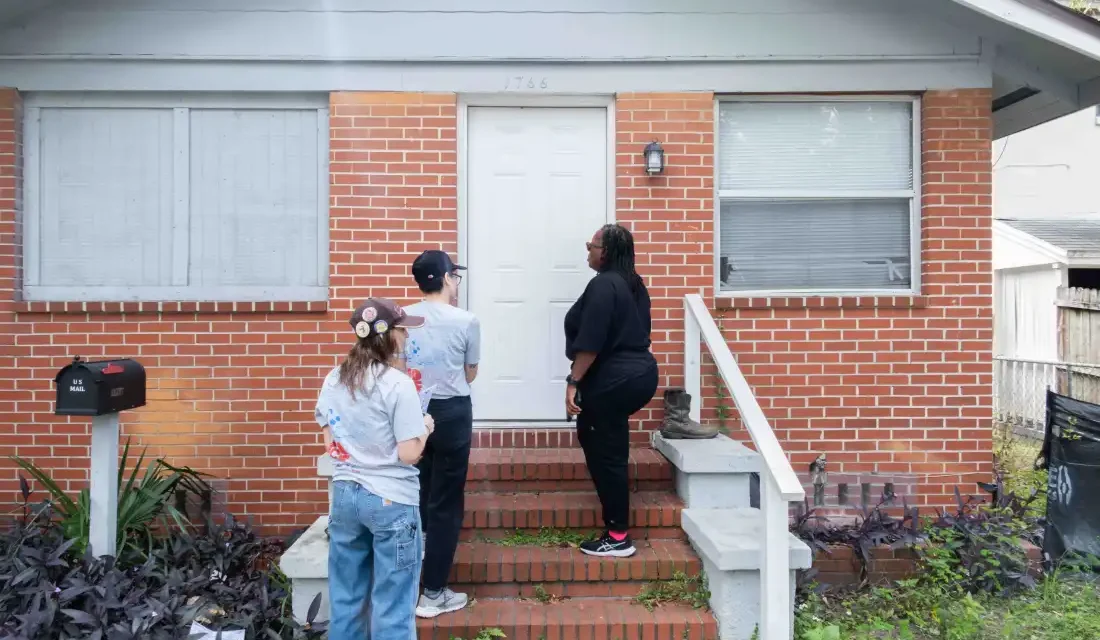
Volunteers with Florida Rising, a nonprofit organization, aim to mobilize voters in Jacksonville, Fla., urging them to oppose a significant amendment that proposes a reduction in property taxes.
Rachel Dues, despite facing a challenging slope, was committed to taking her niece to vote. Fuel prices, rising rent, and escalating grocery costs have made her financial situation precarious. The midterm election for Dues feels crucial. Amendment 3 on the ballot proposes a substantial property tax cut, which could affect billions in local government revenues. It offers exemptions from $50,000 up to $250,000, potentially eliminating almost all non-school homestead property taxes. While this change could save thousands yearly for homeowners, local governments risk losing vital revenue sources.
Florida does not impose individual income or estate taxes. Thus, property taxes are a key revenue stream for public services. Critics warn that the amendment might lead to public service cuts, affecting infrastructure and social safety nets.
Amendment 3 Sparks Debate
States across the U.S. have explored property tax reductions. Florida’s expansive proposal lets voters decide. Dues, a disabled veteran working as a notary, relies on community services like food pantries. She’s concerned about the amendment’s implications on these services.
The proposed amendment claims to support homeowners financially. Current laws already regulate the taxability of home values. Amendment 3 could further reduce or eliminate taxes on primary residences. Proponents including Florida’s governor and the Florida Realtors association, argue property taxes have increased too much, unfairly burdening homeowners. Ads for the amendment emphasize the rising costs of living and offer the tax cut as a remedy.
Analysis showed property tax revenue increased from $32 billion in 2019 to nearly $60 billion recently, largely due to a post-pandemic real estate boom. Opponents worry about the amendment’s impact on law enforcement and emergency services funding. While some officials believe departments can adapt, organizations like the Florida Sheriffs Association express concerns about potential harm.
Pushback from Critics
Jacksonville’s chief administrative officer, Mike Weinstein, argues that the amendment lacks consideration of its full consequences. The amendment limits increased exemptions for specific homeowners. It’s projected to reduce state revenue by $12 billion over time. Jacksonville alone could experience a $372 million loss in five years, affecting services like road maintenance and libraries.
Efforts to promote a ‘no’ vote continue. Maggie Fernandez, a homeowner, actively campaigns against the amendment. Although she might benefit from reduced taxes, she believes it would hurt public services and those in greater need.
In Florida Rising’s office, volunteers make thousands of calls, urging voters to reject Amendment 3. Dues, aligned with the organization, warns that local services might suffer if the amendment passes.
Concerns About Local Services
Dues considers how reduced funding might impact her daily reliance on food banks and aid programs. She advises friends that short-term tax relief could translate into costs elsewhere. Local governments may adjust taxes in other areas.
Amendment 3 requires a supermajority to pass. As she waits in line at a Jacksonville food bank, Dues emphasizes the amendment’s potential risks to fellow voters. She fears many remain unaware of its implications.
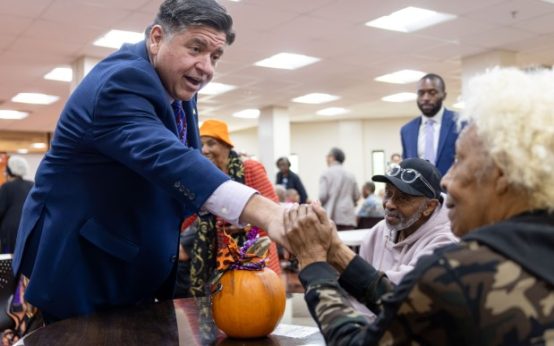 Gov. JB Pritzker’s Political Strategy and Campaign Focus
 The Journey to Citizenship: Voting for Family and Future
 State Legislative Elections: A Closer Look at the Upcoming Contests
 Democrats See Changing Fortunes in Senate Race Amidst Iranian Conflict
 Israel Faces Political Deadlock After Election
 The Chicago Network Introduces New Cohort ‘The Rung’ to Empower Women in Leadership