
When a political prisoner steps off a plane, frail and freed, the scene often involves family and onlookers overwhelmed by the reality of their return. These moments follow the persistent work of family, friends, governments, and civil society. While such releases spark joy, they also highlight troubling realities of authoritarian regimes. These regimes manipulate human lives and deny freedoms to maintain control.
The United States should steadfastly support the release of political prisoners and apply consequences for these violations. Engaging with nations that unlawfully detain their citizens is complex. Yet, aligning with democratic nations leads to stronger, more reliable partnerships.
We have witnessed several notable releases. Journalist Jason Rezian from Iran, Pastor Ezra Jin from China, Journalist Evan Gershkovich from Russia, Activist Maryam Akbari Monfared from Iran, Artist Luis Manuel Otero Alcantara from Cuba, and Activist Evan Mawarire from Zimbabwe. The George W. Bush Institute applauds these returns to freedom. However, such cases remind us of the growing number of authoritarian leaders imprisoning innocents for their beliefs and demands for justice.
These regimes direct extensive resources to suppress dissent. They arrest people for practicing faith, writing articles, or demanding rights. They mistreat families and restrict contacts, often engaging in torture. Arrests intend to silence not just individuals but entire communities.
Often, following a high-profile release, these governments detain new activists, effectively replenishing their prisoner numbers. They may continue to target freed individuals and their communities, forcing them into exile. These releases merely reverse gross injustices orchestrated by these regimes, not acts of generosity.
Since Jin’s freedom, authorities raided several Christian house churches. Many pastors are still detained in China. After Otero Alcantara’s release, over a dozen more people faced imprisonment in Cuba. Prisoners Defenders reported 1,339 political prisoners in Cuban jails as of August, showing a concerning rise.
The U.S. should strengthen advocacy for prisoner releases, focusing on nations like China, Russia, Iran, and North Korea. The administration should publicly support specific cases, such as Wang Yi, Jimmy Lai, and Dr. Gulshan Abbas in China, Lev Schlosberg in Russia, and Narges Mohammadi in Iran. These actions affirm the U.S. commitment to liberty and encourage democracy supporters globally.
Furthermore, using sanctions under the Global Magnitsky Human Rights Accountability Act offers structural responses to these violations. Congressional and administration efforts should reflect relations with nations that use political imprisonment against freedom proponents.
Reuniting people with loved ones is momentous. Honoring their stories requires a steadfast focus on confronting autocratic regimes, showing that their inhumane practices of political imprisonment are unacceptable.
Nicole Bibbins Sedaca is the Kelly and David Pfeil Fellow at the George W. Bush Institute.
© 2026 Nexstar Media Inc. All rights reserved. This material may not be published, broadcast, rewritten, or redistributed.
 Novaya Gazeta to Cease Operations Amid Increasing Pressure
 Controversy Over Alaska Senate Race: Peltola’s Campaign Dismisses Justice Department Allegations
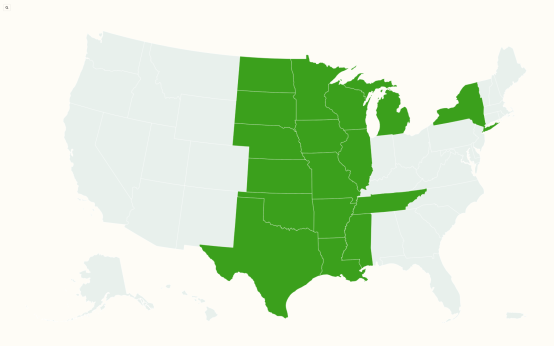 Weather Challenges for Voters in Key States on Election Day
 Pope Leo XIV Casts Mail-In Ballot in U.S. Midterm Elections
 Public Transit Tips and Political Update
 The Fading Illusions of Campaign Season