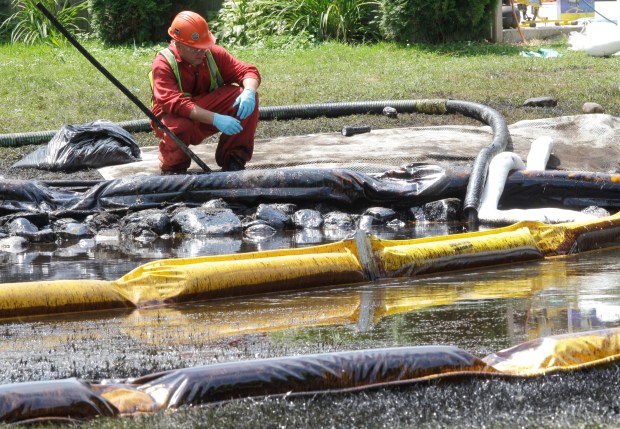
Overview of Oil Spills in the Great Lakes
A pipeline incident in Wisconsin released over 1.3 million gallons of hazardous natural gas liquids. This event, however, is just one of many oil spills occurring in the Great Lakes region over the past decade. A recent study by Lake Superior State University, published in the Journal of Great Lakes Research, identified over 6,400 oil spills from 2015 to 2024 across the Great Lakes and their connecting waterways.
Lead author and ecologist Cecilia Heuvel noted that most spills involved under 1,000 gallons. Information on the amount or type of oil released often remains unclear. While large ocean spills receive significant media coverage, smaller spills in freshwater bodies often go unnoticed, leaving their environmental impacts poorly understood. Lake Michigan experiences approximately 150 spills annually, highlighting its vulnerability.
Data and Findings
Researchers compiled data from sources like the U.S. Coast Guard’s National Response Center and the Ontario government, according to Heuvel. Many small spills do not trigger immediate responses, yet they may have long-term effects on ecosystems that require further research to quantify. The 2010 rupture of the Line 6B pipeline caused a significant spill in the Kalamazoo River and illustrates the potential hazards pipelines pose to natural waterways.
Pipelines and Environmental Concerns
The Line 5 pipeline, which crosses the Straits of Mackinac, released roughly 31,000 barrels of propane and butane after being hit by a flatbed truck. This incident emphasizes the risks associated with pipelines like Line 5 and 6B. Liz Kirkwood from Flow Water Advocates highlights the need for alternatives to transporting carbon fossil fuels through vital freshwater systems. Proposals to replace parts of Line 5 with a tunnel face legal hurdles, as seen in the Michigan Supreme Court’s recent reversal for further environmental review.
Gaps in Knowledge and Research
Despite the known impacts of oil spills in marine environments, the effects on freshwater systems remain understudied. Shipping-related spills dominate U.S. incidents, whereas facility-related ones are more common in Canada. Freshwater ecosystems like the St. Clair and Detroit rivers have higher spill densities, further underscoring the need for attention.
Pipeline Expansion and Regulatory Changes
An Environmental Integrity Project report highlights a surge in pipeline construction, attributed to changes during the Trump administration, which allegedly weakened safety rules and environmental reviews. President Trump’s national energy emergency declaration facilitated rapid pipeline project approvals, bypassing standard environmental protocols. Environmental advocates argue these actions prioritize construction over safety, evidenced by the expedited review process for many projects.
Jen Duggan from the Environmental Integrity Project criticizes the emergency act, claiming it lacks justification, given the increasing reliability of the U.S. electric grid and rising oil and gas exports. Public comment periods for new pipelines have also been shortened, hindering public engagement, as noted by environmental advocate James Hiatt from Louisiana.
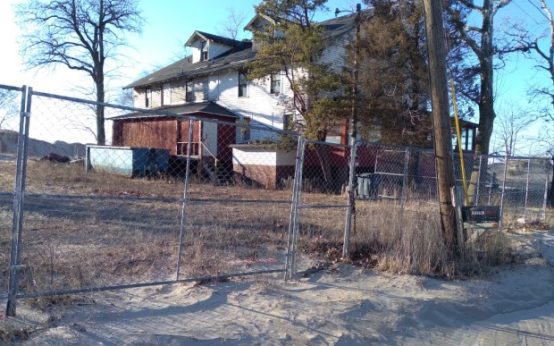 Porter Beach Neighborhood Faces Challenge with New Sanitary Sewer Regulations
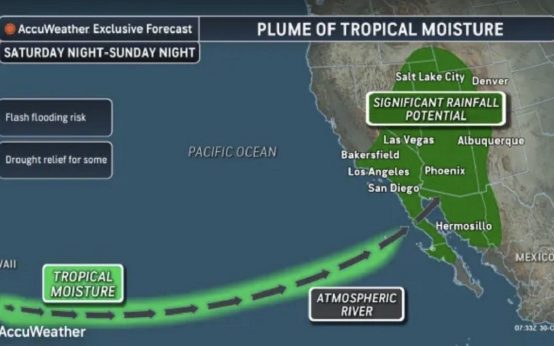 Weather System Threatens Southwest with Rain and Flooding
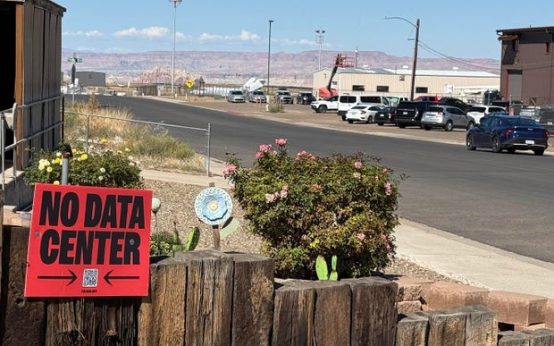 Debate Over Data Centers in Arizona Sparks Health Concerns and Political Divisions
 Super El Niño Expected to Bring Warmer and Wetter Winter
 Trump’s Controversial East Potomac Park Redevelopment Faces New Hearing
 EPA’s Response to East Palestine Train Derailment Under Investigation