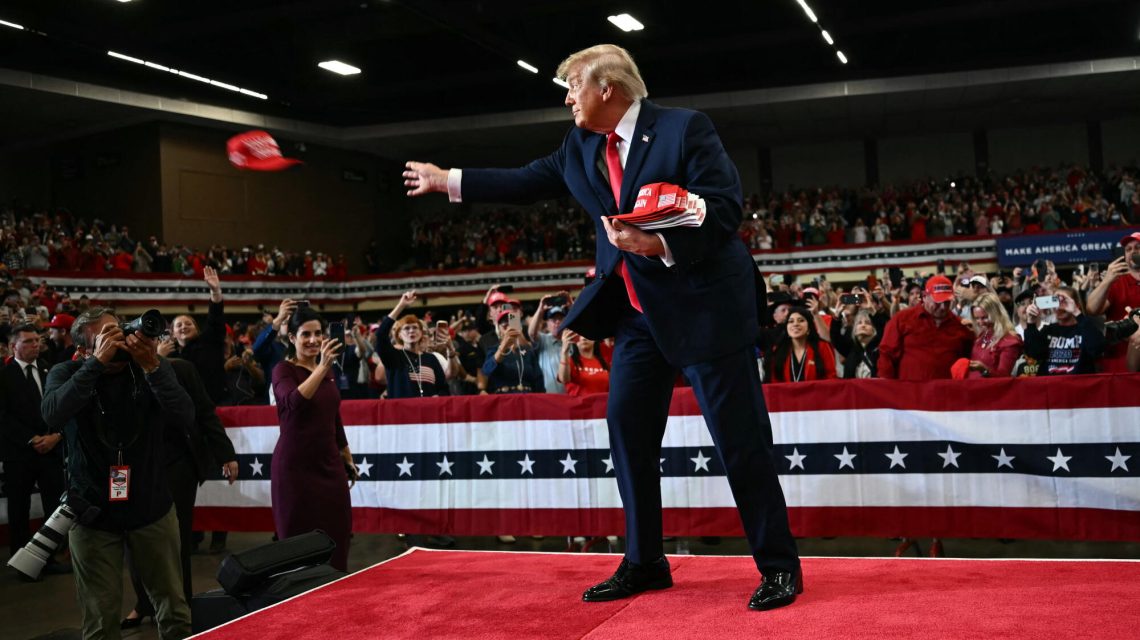
WASHINGTON – Recent developments within the Republican Party have initiated dialogues about President Trump’s eventual departure from politics and the future direction of the GOP. The party, heavily centered on Trump for nearly a decade, faces potential Democratic gains in upcoming elections, prompting concerns among Republican strategists.
Trump currently grapples with the lowest approval ratings of his presidency. Traditionally loyal Republican factions are now distancing themselves. Candidates closely aligned with him find themselves at risk in various regions, including Lake Ontario and rural Kansas. A strained voter coalition, against the backdrop of economic distress, is questioning the party’s path forward.
Poll data reflects a decrease in support among Trump’s 2024 voters, dropping from 95% approval in his early second term to 67%. The decline is most prominent among younger and Latino voters, indicating a shift in previously strong demographics.
While a majority of Republicans still prefer a party leader to follow Trump’s policies, a significant portion seeks a new direction. A New York Times/Siena poll found that a third of Republicans want the next GOP presidential nominee to adopt a different approach.
Marc Short, Trump’s first White House legislative affairs director, described the Republican position as ‘triage mode,’ dealing with economic challenges and corruption narratives. Bryan Lanza, a former Trump communications director, revealed concerns over diminished Republican enthusiasm, pointing to competitive races in Mississippi and Texas.
The reshaped GOP infrastructure under Trump faces uncertainty. Yet, Trump remains influential in the party, with figures like Joe Gruters, Republican National Committee Chairman, affirming Trump’s role in determining future leadership. Gruters emphasized Trump’s centrality to the party, suggesting continuity in his movement.
Members of Trump’s circle maintain their allegiance. An unnamed official insisted that Trump remains the focus, despite efforts to predict post-2028 scenarios. The official highlighted Trump’s present-oriented approach, prioritizing immediate tasks over future planning.
The question of a successor arises, yet Trump hesitates to endorse potential figures openly. During an Oval Office discussion, Trump described JD Vance positively but refrained from outright support. Despite rising endorsement interest for the 2028 presidency from figures like Vance and Marco Rubio, Trump’s endorsement remains elusive.
A New York Times/Siena survey indicated a preference among Republican primary voters for either Vance or Rubio as the next nominee. Nonetheless, 8% expressed a desire for Trump himself to run, despite ineligibility due to term limits.
Looking forward, the GOP must balance appealing to the MAGA base while maintaining mainstream support. An anonymous GOP lobbyist stressed the importance of including MAGA voters without alienating others, noting potential evolution opportunities for the movement.
Mike Madrid, a seasoned Republican strategist, suggested that right-wing media personalities might increasingly influence GOP dynamics, as ideological unity within the party weakens. Madrid doubted Trump’s willingness or ability to change course, despite potential electoral setbacks, citing Trump’s longstanding patterns of behavior.
Historically, losing congressional control can prompt presidents to moderate. Christopher Warshaw, a Georgetown University public policy professor, noted instances where presidents rebounded by adopting centrist strategies, as seen with President Clinton in 1994. Warshaw highlighted Trump’s openness to bipartisanship should Democrats gain significant congressional power. Trump himself has expressed a readiness to negotiate if faced with a divided Washington.
Regardless of Trump’s future political actions, the coalition he cultivated may endure. Lynn Vavreck, a UCLA political science professor, observed that the GOP’s vision under Trump isn’t likely to fade quickly, carrying long-term implications for the party’s trajectory.
Justine McDaniel from the Times contributed additional insights to this report.
 Unexpected Political Alliances Emerge in Michigan Senate Race
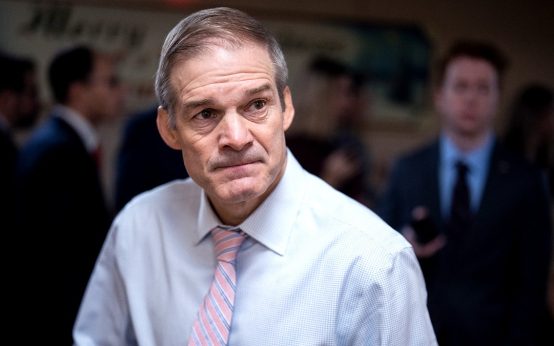 Jim Jordan’s Campaign Journey
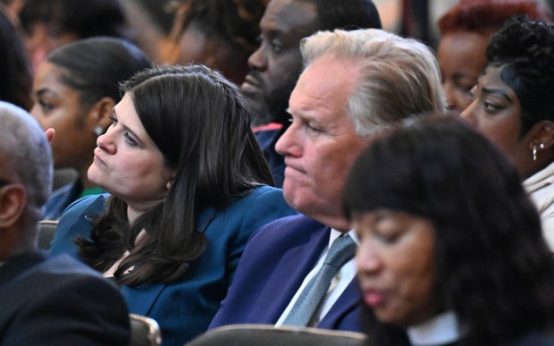 Democratic and Republican Candidates Clash Ahead of Michigan Election
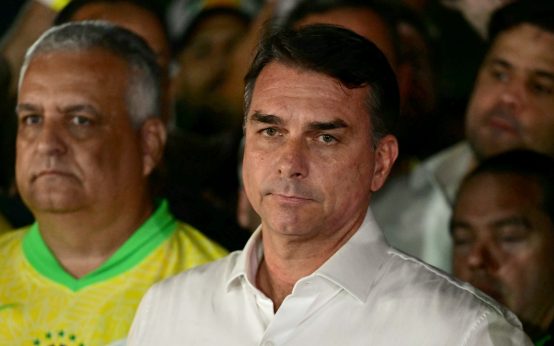 Polls and Prediction Markets Face a Test in Upcoming Elections
 Political Events and Campaign Highlights
 Trump Hosts Halloween Event Amid Political Spotlight