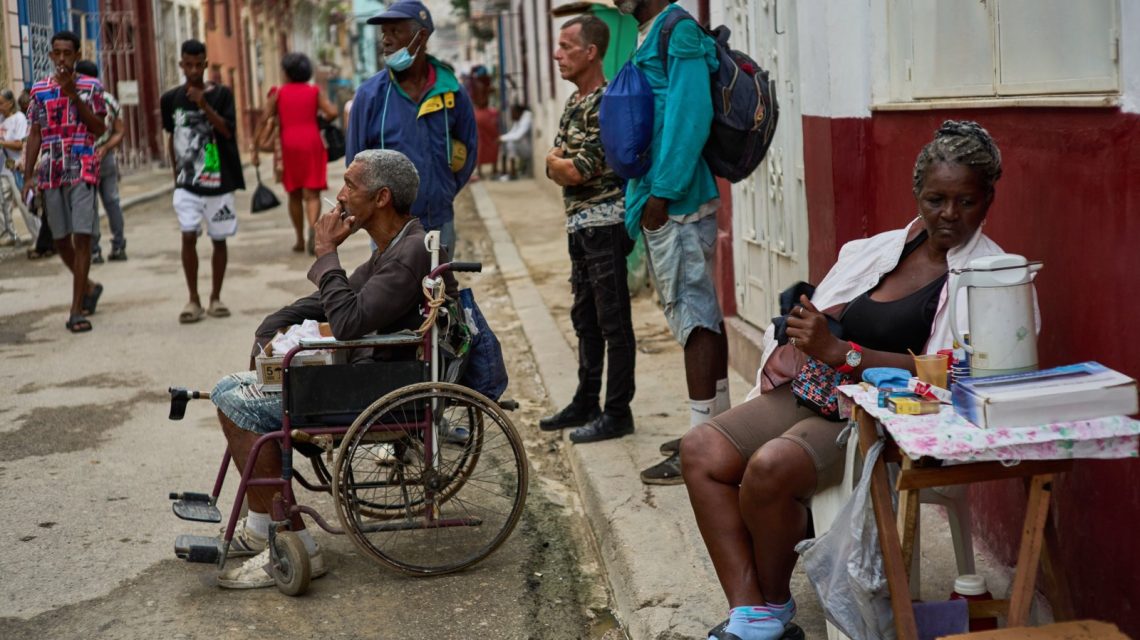
Time travel might be fictional, but visiting Cuba can feel historically immersive. Just 90 miles from the U.S. coast, Cuba has been under an economic embargo from the U.S. for 64 years. Despite persistent efforts to overcome Havana’s communist leadership, these attempts have failed, leaving Cubans in dire conditions as their surroundings decay.
In a surprising twist, January saw Venezuela’s President Nicolás Maduro and his wife extracted in a bold U.S. military operation. Tensions between Washington and Caracas dissipated quickly, leading to U.S. control over significant Venezuelan oil fields.
The subsequent White House rhetoric portrayed Cuba as the next target in a strategy reminiscent of the Monroe Doctrine under President Donald Trump. However, a later shift in focus towards military action elsewhere led to the Havana issue dropping down on Trump’s agenda.
The Long Game
Even though Trump has downplayed Cuba, the pressure from Washington continues. Since January, the U.S. has imposed rigorous economic sanctions on Cuba, halting Venezuelan oil flow and threatening tariffs on other fuel suppliers. Sanctions have targeted Cuban officials and enterprises, having catastrophic effects on the island’s electricity grid and economic stability.
Despite these measures, tangible political gains for Washington remain elusive, with the Cuban government staunchly resisting U.S. advances. The Center for Strategic and International Studies’ Christopher Hernandez-Roy notes that shifting military focus to Iran altered U.S. tactics towards Cuba.
At an October rally, Trump promised decisive actions against Cuba, while Secretary of State Marco Rubio’s approach has been slower and more calculated. Rubio, eyeing potential political gains in future elections, advocates for a methodical economic and political transformation in Cuba.
This gradual strategy has caused some unrest among Rubio’s Miami supporters, who are pressing for aggressive actions. Yet, Rubio and Hernandez-Roy assert this deliberate approach aligns with broader U.S. aims.
Different Challenges
Tackling Cuba is more complex than Venezuela. While Maduro’s removal was swift, assisted by the Venezuelan status quo allowing U.S. influence, Cuba’s ingrained political system presents unique hurdles.
The Venezuelan model of political transition is not viable in Cuba, where the communist regime has eliminated opposition. The Cuban power structure is deeply rooted in a network of party officials and military leaders.
Even eliminating key figures like Miguel Díaz-Canel or Raúl Castro may not yield compliant replacements. Past U.S. actions, such as the removal of Iran’s Supreme Leader, demonstrate the potential for unforeseen complications.
Attempts to negotiate with Cuban leaders have stalled. Despite economic reforms under U.S. duress, Havana remains firm against political concessions without jeopardizing its control.
The Waiting Game
Cuba’s resistance to change comes at a steep cost to its citizens. Trump’s policies have exacerbated existing economic issues, aggravated by American-led fuel restrictions and sanctions. Shortages of essential goods now plague the island.
Meanwhile, Washington risks being blamed for the humanitarian crisis despite the Cuban regime’s longstanding policy failures. The extent of Cuba’s ultimate concessions remains uncertain, with differing definitions of victory in U.S. ranks.
While Trump may consider economic openness a win, Rubio and Cuban-American communities demand complete political transformation.
Currently, no resolution appears imminent for either side. The U.S. struggles to find consensus on its blockade policy, and Havana holds stead. Caught in this deadlock are ordinary Cubans, bearing the brunt of geopolitical strategies unfolding above them.
 Russian Su-57 Fighter Jet Incident at Akhtubinsk Airfield
 Cristina Fernández de Kirchner Seeks UN Review of Prosecution
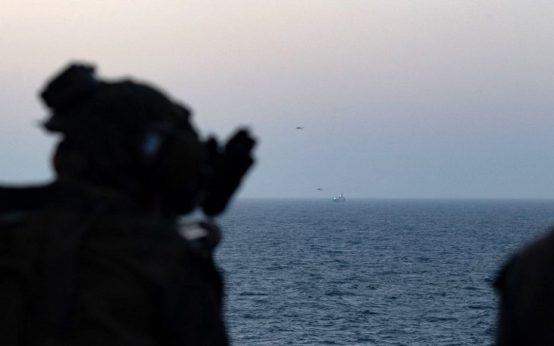 Iranian Ghost Fleet Evades US Naval Blockade
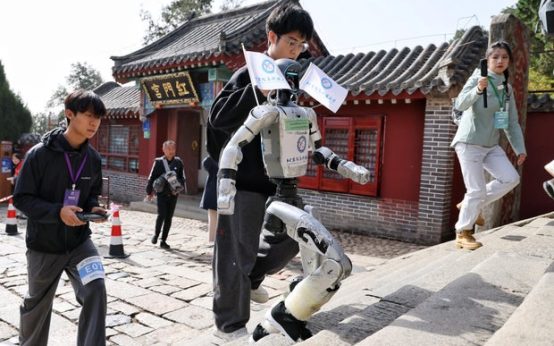 Robots Climb Mount Tai in Endurance Challenge
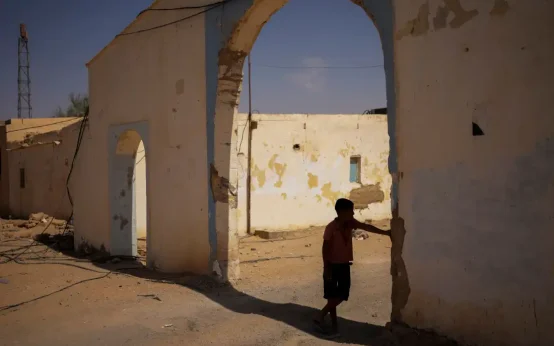 UN Peacekeeping Mission in Western Sahara Ends Amid US-Russia Tensions
 Hacking Incident Causes False Alerts in Ukraine’s Air-Raid App