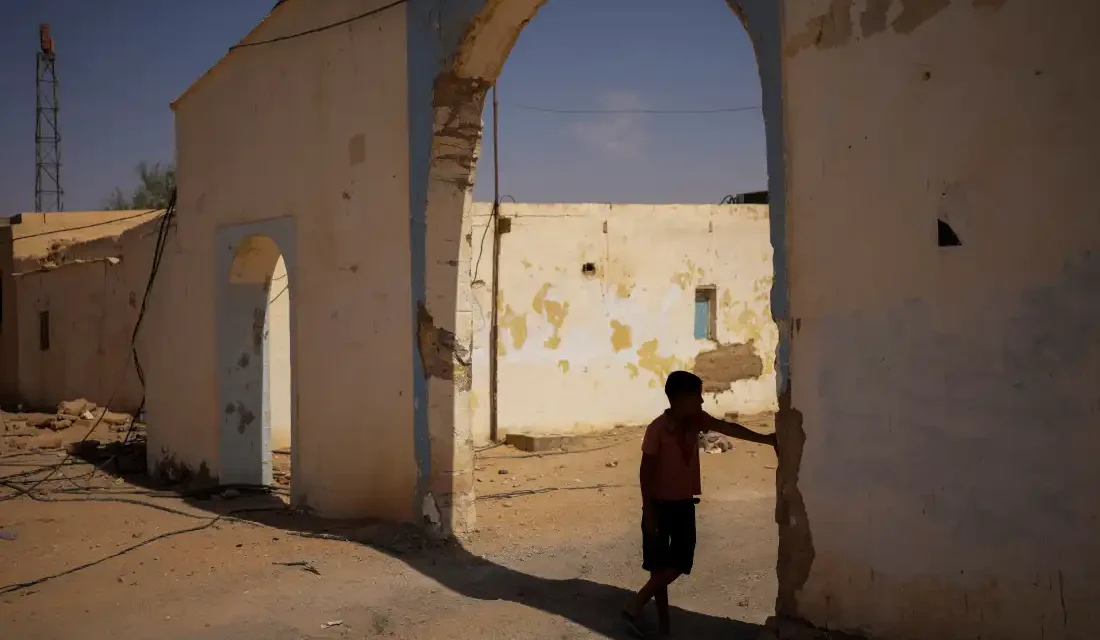
The United Nations’ peacekeeping mission in Western Sahara has concluded after 35 years due to a standoff between the United States and Russia at U.N. headquarters regarding the future of the region. This development may affect stability in an area rich in minerals and fisheries.
Background of Western Sahara
Western Sahara, a desert territory the size of Colorado, is situated on Africa’s northwestern Atlantic coast. Previously governed by Spain, both Morocco and the pro-independence Polisario Front claim it. Morocco administers the majority of the territory except for a ‘free zone’ to the east of a sand wall built by Morocco.
UN Mission Closure Details
On November 1, 2026, Stéphane Dujarric, the spokesperson for the U.N. secretary-general, announced the start of the mission’s liquidation period. A smaller team will manage the transportation of assets to participating countries and the disposal of U.N. equipment. Russia’s veto of a U.S. resolution to support Morocco’s sovereignty claim over the region led to the mission’s end. A counter-resolution by Russia to extend the mission was rejected, ending the peacekeeping mandate abruptly.
Responses and Implications
Morocco’s royal palace viewed the end of the mission favorably, seeing it as an impediment to internationalizing the dispute. Conversely, the Polisario Front, supported by Algeria, labeled the decision unacceptable. Algeria’s foreign ministry expressed regret over the non-renewal and criticized the perceived bias in the U.S. resolution. The U.N. still classifies Western Sahara as a ‘non-self-governing territory.’ Critics consider it Africa’s last colony. The Polisario Front, based in refugee camps in Tindouf, Algeria, seeks to establish an independent Sahrawi Republic.
History of the Dispute
Following Morocco’s annexation in 1975, the territorial dispute led to a 15-year armed conflict with over 16,000 casualties. The 1991 U.N.-brokered cease-fire aimed to hold a self-determination referendum, which included independence as an option. However, disagreements between Morocco and the Polisario over voter lists stalled the referendum.
Tensions and Future Concerns
Since the Polisario withdrew from the cease-fire in 2020, tensions and low-intensity hostilities have persisted in the region. The U.N. Secretary-General called for the parties to respect the Western Sahara people’s rights and exercise restraint. The rivalry between Morocco and Algeria, who support opposing sides, remains intense, with potential implications for regional security and diplomacy.
 Hacking Incident Causes False Alerts in Ukraine’s Air-Raid App
 Fatal Train Collision in Spain Claims Lives, Including U.S. Citizens
 Analysis of Iranian LPG Smuggling Tactics
 Controversy Over Michael Che’s SNL Joke on Israeli Elections
 U.S. Ambassador Issues Security Warning and Details UN Confrontation
 U.S. Ambassador Confronts Cuban Officials at U.N.