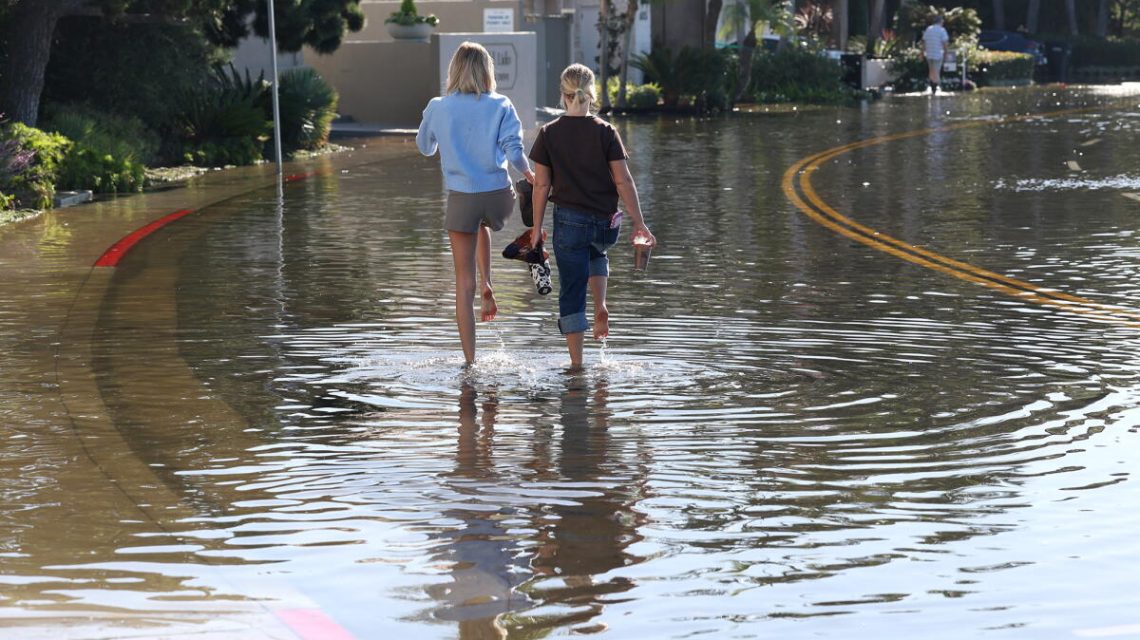
Recent coastal flooding in Southern California underscores the potential risks during an El Niño winter with rising sea levels. In the past week, significant flooding resulted from two major factors that will likely worsen: increasingly hot ocean temperatures and elevated tides. A third potential factor is the emergence of powerful storms leading to large waves. The simultaneous occurrence of these factors will determine the severity of coastal impacts this winter.
Record Sea Levels
Last week, tides were moderately high, but when combined with record ocean temperatures, they caused notable sea level increases. Data from NOAA’s oceanographer William Sweet shows that average sea levels were 1.4 feet higher in San Diego, 1.3 feet higher in Los Angeles, and 1.1 feet higher in San Francisco than expected. These levels were unprecedented in over a century of records.
Los Angeles, San Diego Bay, Santa Barbara, and La Jolla all experienced record-breaking sea levels. Los Angeles’ San Pedro gauge showed sea level peaks of 8.02 feet and 8.19 feet, surpassing the previous record during an El Niño in 2005. With upcoming king tides around major holidays, sea levels could rise further. Warm ocean waters continue to exacerbate this effect.
Extreme Ocean Temperatures
Ocean temperatures remain unusually high. For instance, Scripps Pier in La Jolla recorded a sea surface temperature of 75.4 degrees, which exceeds historical averages by 11.1 degrees and is higher than the year’s average peak temperature. This represents the hottest Halloween since 1916.
Flood damages have been significant. In Huntington Beach, seawater harmed 114 properties, and flooding affected Pacific Coast Highway. Beachside bars from Redondo Beach to Long Beach also faced flooding. Northern California, particularly Marin County, saw flooding reaching up to 2 feet in some areas.
El Niño’s Broader Impact
El Niño’s influence is evident in current flooding and water swells. However, this might only be the beginning of additional challenges. Meteorologist Robbie Munroe cites oceanic Kelvin waves as contributing significantly. These waves transfer warm water from the western to the eastern Pacific, escalating sea levels along California’s coast.
Experts predict more coastal flooding as temperatures rise. The El Niño in progress may be the strongest since 1950. Kelvin waves, which follow coastlines and elevate sea levels for extended periods, are central to this development, leading to new records for water levels.
Future Concerns
The situation suggests what California might face long-term as oceanic conditions persist. Weather models forecast king tides becoming even more pronounced due to lunar cycles. Such astronomical tides could raise sea levels further, especially in La Jolla, where historically rare tides above 7 feet are expected in late November and December.
Warmer oceans contribute to increased sea levels beyond tidal effects. Daniel Swain, a UC climate scientist, notes recent tides were not king tides but were driven by moderate astronomical tides combined with marine heat-induced ocean level rises.
Projections indicate further sea level rise in California through 2070. In Los Angeles, increases could surpass 3 feet. The current conditions are a glimpse of future norms shaped by global warming.
Inland Effects
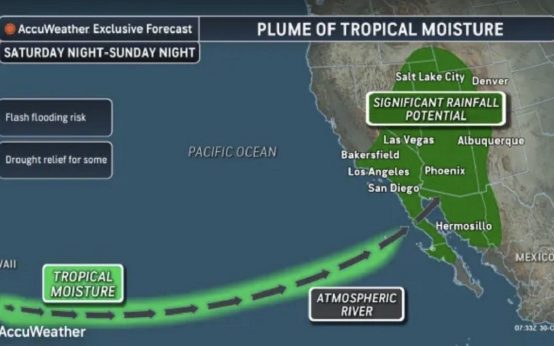
El Niño isn’t solely a coastal phenomenon. Its impacts reach inland, as shown by intense rains in Arizona and the Four Corners region, attributed to an ‘exceptional marine heat wave’ off Baja California.
 Radiation Risks for Satellites as Solar Storms Breach Boundary
 Oil Spills in Great Lakes: Unseen Threats and Pipeline Concerns
 Study Explores Effects of Physically Interacting With Dogs on Stress
 Porter Beach Neighborhood Faces Challenge with New Sanitary Sewer Regulations
 Weather System Threatens Southwest with Rain and Flooding
 Reassessing Josephus’ Account of Jesus