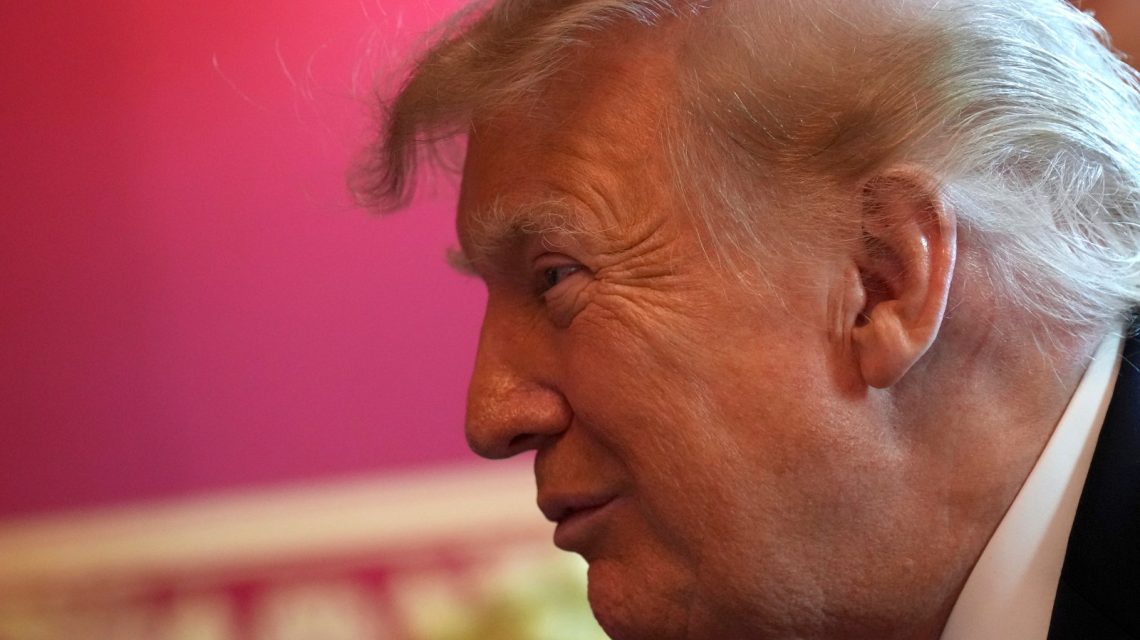
Chinese President Xi Jinping has made significant investments in his diplomatic ties with U.S. President Donald Trump. The pair has hosted two summits this year and plans to meet twice more to establish stronger relations. For China, the benefits have been substantial. However, the upcoming U.S. midterm elections could disrupt this fragile balance and impact China’s global strategy.
Current Strategies and Agreements
The mutual understanding between Xi and Trump focuses on building “a constructive relationship of strategic stability.” This agreement has allowed Xi to stabilize the Chinese economy and implement reforms within the military, paving the way for his leadership renewal next year. While Xi comments little on the midterm elections, China likely prefers a Republican victory to ensure Trump continues controlling party hawks. Trump’s focusing on Western Hemisphere interests benefits China, which prefers leading global institutions unoccupied by the U.S.
Transactional Diplomacy in Action
Trump’s diplomatic strategy emphasizes transactional negotiations rooted in economic gains. This approach facilitates the cultivation of favorable relations with Beijing, a key factor that has softened American public sentiments towards China. Trump’s administration has also leveraged this stability in pursuing interests in Venezuela and Greenland while offering China a chance to advance its Indo-Pacific claims distractingly.
Risks of Political Shifts
Despite recent pleasantries, China’s satisfaction with the status quo is contingent upon maintaining terms agreed upon in Busan, South Korea last year. The Busan truce minimized tariff conflicts and secured commitments like China’s soybean purchases. The U.S. viewed this deal through a trade lens, but China saw broader implications.
Should Democrats gain control of the Congress, they may challenge Trump’s agenda more aggressively, affecting U.S.-China diplomatic dynamics. A Democrat-led Congress would likely impose conditions on federal funding and limit military actions, affecting Trump’s ability to manage foreign policy effectively.
China’s Long-Term Calculations
China understands the variable nature of U.S. politics, knowing no agreement with a democratic government is permanent. Xi has bought time through scheduled summits with Trump in APEC and the G20. But Beijing recognizes that a Democratic victory will bring changes, perhaps providing Democrats with leverage to challenge Trump’s diplomatic approaches.
Yilun Zhang of the Institute for China-America Studies notes that even a Democratic majority wouldn’t align closer to Trump’s strategy with Beijing. Instead, it might add pressure against his perceived leniency.
While China has preferences, it is prepared for potential shifts in U.S. leadership. Continued domestic conflicts between Republicans and Democrats could be advantageous to Beijing.
 Kimi Antonelli’s Historic Win Celebrated in Italy
 Civilians Confront New Worries as False Alert Systems Disrupt Communities
 Ukraine Accuses Russia of Using Ceasefire for Military Gains in Oleshky
 Russian Su-57 Fighter Jet Incident at Akhtubinsk Airfield
 Cristina Fernández de Kirchner Seeks UN Review of Prosecution
 Iranian Ghost Fleet Evades US Naval Blockade