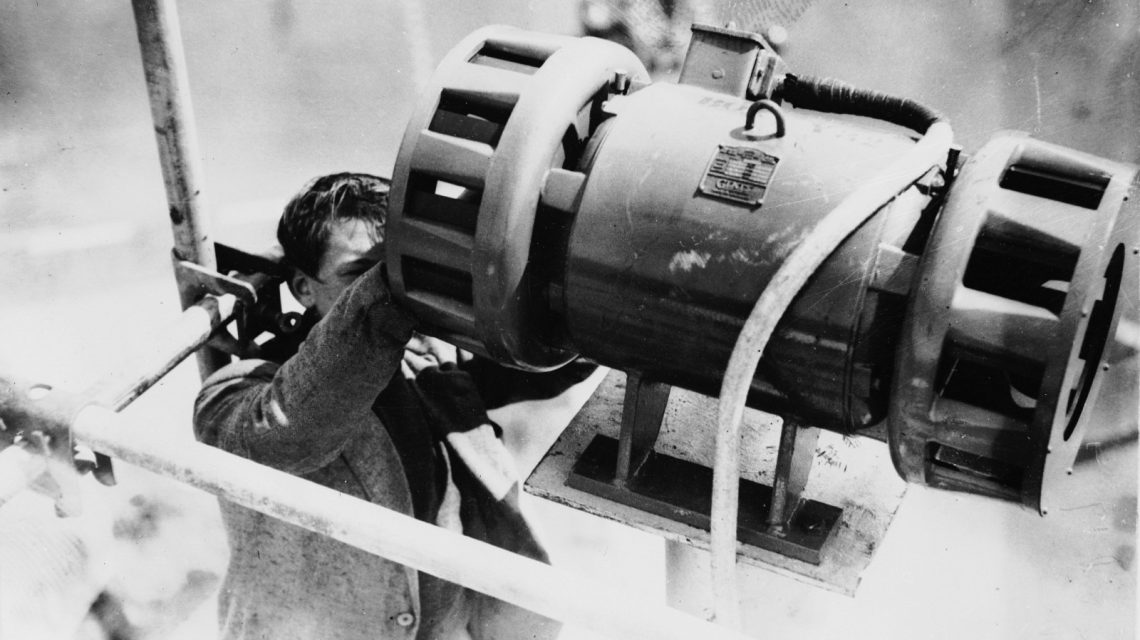
During World War II, the German Luftwaffe initiated a relentless bombing campaign against the United Kingdom known as the Blitz. Starting on September 7, 1940, London faced bombings for 57 continuous nights, with attacks persisting across Britain until May 1941. Though Britain couldn’t halt these attacks, air-raid sirens offered citizens warnings of incoming dangers.
Today, civilians in Russia and Ukraine face greater uncertainty. Recently, Ukraine’s air-alert system suffered a hacking attack, causing numerous false warnings. These included misleading alerts about radiation and chemical threats. Specific references even surfaced about Russia’s feared Oreshnik missile and alleged nuclear threats. Alerts.in.ua, an independent monitoring service, noted 122 fake event alerts in seven minutes, with 103 false air-raid notifications.
Over 6.6 million Ukrainians depend on these warnings to prepare against Russian assaults. The disruption spread to third-party services, leading to outdoor loudspeakers in Lviv region broadcasting false alerts.
Russia soon experienced its share of deception. Early Monday, users of the country’s Emergency Situations Ministry app received notifications about impending nuclear attacks. Residents were advised to gather food supplies and seek shelter. Similar warnings appeared on regional emergency channels via Telegram and MAX, a state-supported app.
The source of these hacking incidents remains unclear. Yet they highlight a new chapter in warfare where civilian warning systems become targets. The manipulation of such systems, designed to protect civilians, holds a cruelty distinct from military engagements.
Occasional inaccuracies happened even during World War II, with false alarms from Britain’s analogue sirens. Yet, these did not entirely shake trust in the system. Londoners weren’t concerned about deliberate interference resulting in all-clear signals as bombers approached.
Enemies intentionally altering warnings pose a dreadful threat. False alerts could demoralize civilians, disrupt their lives, and undermine faith in protective tools. Persistent hacking may degrade the warning system or lead civilians to ignore real threats, offering psychological warfare that can have fatal consequences.
Authorities must respond to these attacks. Ukraine’s air-alert system temporarily stopped push notifications to mitigate unauthorized access, as declared on its official Telegram channel. At 10:54 p.m., alerts.in.ua reported a denial-of-service attack and had to scrutinize real warnings amid the fakes before restoring accurate alerts.
Another service, eTryvoga, halted automatic notifications but resumed them shortly afterward. The main air-alert app’s functionality returned progressively, though its real-time aerial target map stayed offline for a while. Taking apps offline for repairs presents opportunities for actual kinetic attacks.
Both Ukraine and Russia have escalated aerial bombardments at the border. From July 1 to September 24, Ukraine experienced over 7,700 air-raid alarms—a 27 percent increase from the previous three months.
Historically, the Blitz ingrained fear in Londoners over impending threats signaled by sirens. Today’s civilians must also consider that the alerts themselves may be part of the attack.
 Kimi Antonelli’s Historic Win Celebrated in Italy
 Haley Stevens Backs Mike Rogers in Michigan Senate Race, Sparking Democratic Backlash
 Conservative Activist Speaks on Campus Altercation
 California Insurance Commissioner Race: A Crucial Election
 House Democrats Consider Expelling Representative for Cross-Party Endorsement
 Midterm Elections and the Challenge of Election Denial