House Democrats announced broad plans for oversight targeting the Trump administration after securing a majority in the midterm elections. Their agenda includes probing family business dealings, immigration policy, and other governmental actions.
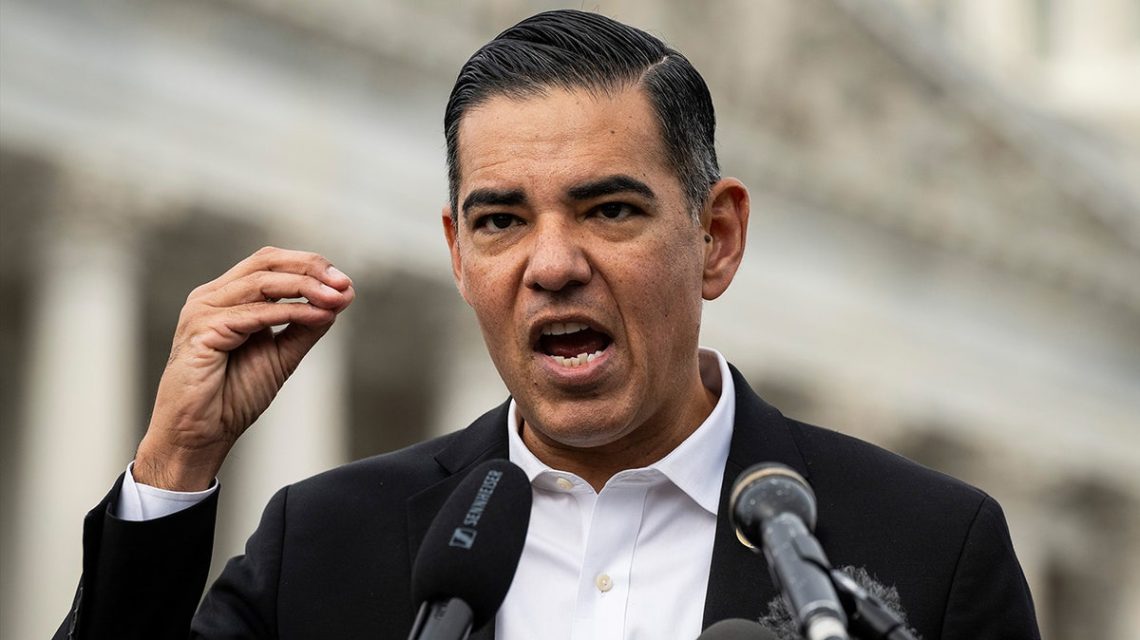
As Democrats claimed victory in the elections, they issued stark warnings regarding impending investigations using new power on Capitol Hill. Rep. Robert Garcia, D-Calif., on the House Oversight Committee, encouraged administration officials to ‘lawyer up,’ reflecting the seriousness of the anticipated probes.
Senator Ron Wyden, D-Ore., reinforced the Democrats’ intentions with a direct message promising ‘subpoenas.’ The election results painted a challenging picture for Republicans and Trump’s agenda as Democrats prepared to wield committee gavels and subpoena power starting January.
‘Democrats Seize House Control in Stunning Blue Tsunami, Vow Retribution Against Trump Admin,’ declared the victory headline, marking a shift in control and promising action against the administration.
Rep. Delia Ramirez, D-Ill., targeted specific Trump administration figures, inviting them to clear schedules as Congress prepared to summon them for questioning.
After winning the majority, Democrats indicated readiness to scrutinize Trump and his administration, leveraging months of preparatory groundwork. Planned investigations include the Trump family’s business dealings, immigration enforcement, and allegations of corporate corruption. Document requests laid out in advance may evolve into subpoenas once Congress convenes.
Garcia, expected to chair the House Oversight Committee, stated that they are well-prepared for investigations. He noted tools associated with the majority, such as subpoenas and potential court battles against probable resistance from the White House.
The scope of investigations will extend beyond a single committee. House Judiciary and Homeland Security Committees have long pressed the administration over various policies. Senate Democrats intend to use their position to initiate investigations.
War Secretary Pete Hegseth may face intense scrutiny, with accusations of unauthorized actions and obstruction. House Minority Leader Hakeem Jeffries hinted at possible impeachment efforts targeting Hegseth.
Rep. Thomas Massie, R-Ky., plans to pursue impeachment over perceived violations in global military engagements, reflecting a bipartisan interest in addressing administration actions.
With broad investigative powers, committees can subpoena officials and private citizens, demanding testimony under oath and document submissions. Committee chairs may independently issue subpoenas, potentially bypassing the need for bipartisan support.
Ignoring subpoenas can lead to contempt proceedings, although executive privilege claims can trigger lengthy legal battles. Congressional votes may hold witnesses in contempt and involve the Justice Department in pursuing prosecution.
Former advisers Steve Bannon and Peter Navarro were convicted of contempt after defying subpoenas, each facing imprisonment as a consequence.
 Election Coverage: Key Senate and Governor Races Shape U.S. Political Landscape
 Democratic Wins, Musk’s Reaction, and Election Night Insights
 Potential Shift in Israeli Government Amid Political Challenges
 Van Jones Compares GOP Losses to Jonestown
 Democrats Achieve Major Wins in 2026 Midterm Elections
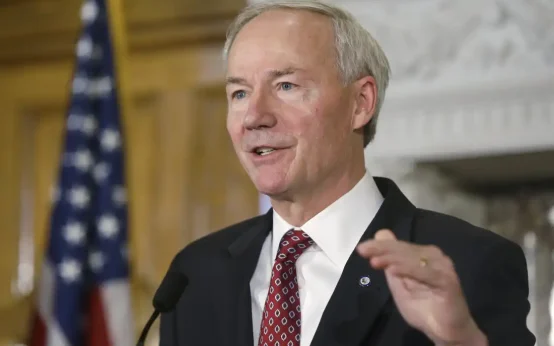 Former Arkansas Governor on Democrats’ Unexpected Gains