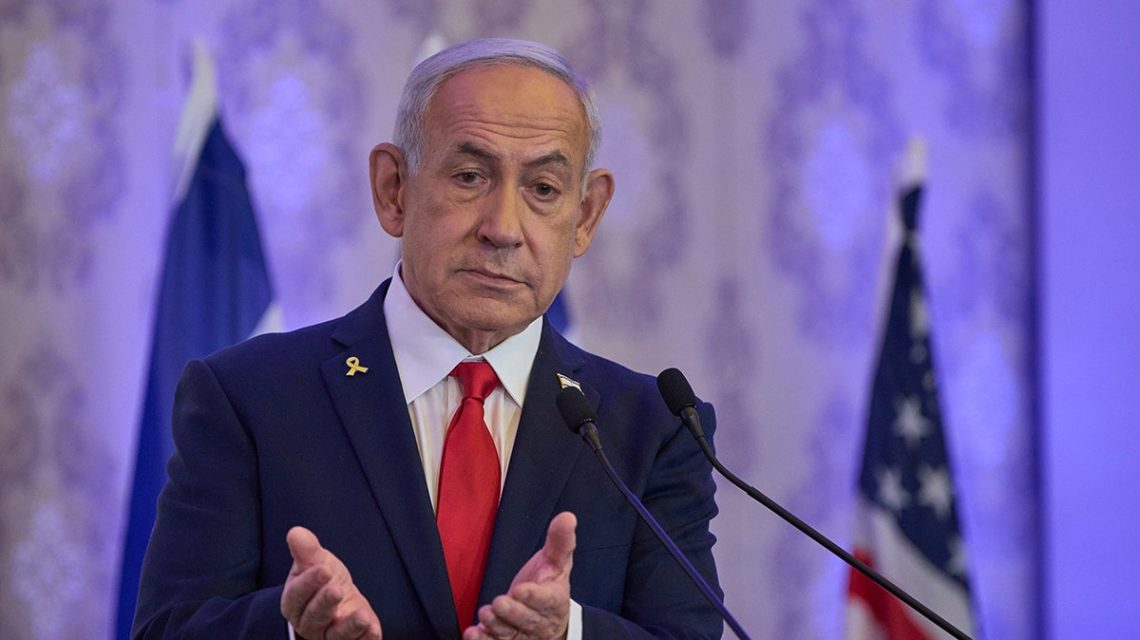
The U.S. plans to halt its financial aid to Israel by year’s end, as reported by Fox News senior White House correspondent, Jacqui Heinrich. This announcement came amidst President Donald Trump’s active engagement as the midterm elections commence.
Political Uncertainty in Israel
Israeli Prime Minister Benjamin Netanyahu faces a critical test of leadership. President Isaac Herzog intends to consult with leaders from all parties in the newly elected 26th Knesset to decide who will form the next government. The final vote count indicates Netanyahu’s bloc secured 53 seats, while Gadi Eisenkot’s opposition alliance garnered 48, out of the 120 seats available.
On social media platform X, Netanyahu insisted the Israeli public does not support a government dependent on Ra’am and the Joint List, groups he claims are opposed to the Jewish state. Both parties combined hold 19 seats, potentially giving them significant influence in government formation.
Eisenkot has been named the candidate most likely to attempt forming a new government. If backed by the Joint List and Ra’am, Eisenkot could receive endorsements from parties surpassing the required 61 seats.
Government Formation Consultations
President Herzog’s consultations start with lower seat count parties like Religious Zionism-Zehut and Shas. He will later meet leaders of other parties, eventually reaching a decision on who will spearhead government formation efforts.
Former military chief Gadi Eisenkot, aligned with the Yashar party, has emerged as Netanyahu’s main challenger. Although Eisenkot might receive the first opportunity to form a government, internal opposition dynamics might hinder his efforts.
Should Eisenkot fail, Netanyahu would face the task, and even he might encounter challenges. Opposition leaders Naftali Bennett and Avigdor Liberman have expressed reluctance towards a coalition reliant on Arab parties.
Challenges in Government Formation
Defense and government affairs commentator Amir Oren suggests President Herzog will likely favor appointing a candidate backed by a majority of Knesset seats. Despite the pressure, forming a viable coalition remains complex due to diverging political interests.
In past instances, like in Netanyahu’s current term, minority government formations have appeared post-election. There’s speculation such an arrangement might occur again.
As the 26th Knesset swears in and committees form, Netanyahu must navigate a parliament increasingly resistant to his leadership.
Strategic Considerations and Historical Precedents
Commentators highlight potential governance challenges, including military decision-making constraints. Former Knesset member Dov Lipman views Eisenkot as a prospective candidate for initial government formation efforts, but anticipates obstacles in sustaining a coalition.
Political analyst Prof. Gideon Rahat references past national unity governments as a potential model for current negotiations. However, internal disagreements could jeopardize long-term stability.
The public might support a national unity government, given the economic and security issues at stake. Yet, achieving consensus on judicial reforms and leadership transitions could prove difficult.
The Israeli political landscape is poised for significant changes, underscored by domestic and international challenges, including U.S. policy shifts.
 Democrats’ Election Gains: Key Highlights and Reactions
 Election Results and Insights
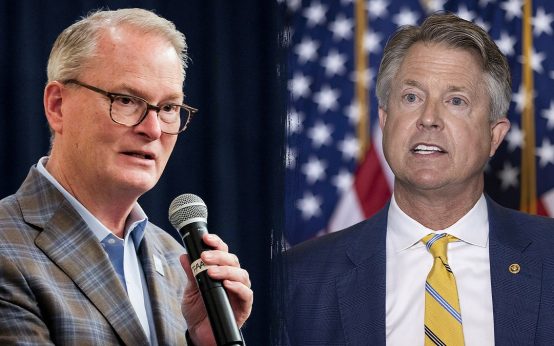 Historic Democratic Victory in Kansas Senate Race
 Election Coverage: Key Senate and Governor Races Shape U.S. Political Landscape
 Democratic Wins, Musk’s Reaction, and Election Night Insights
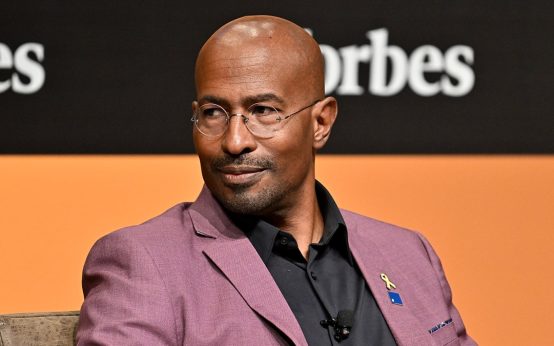 Van Jones Compares GOP Losses to Jonestown