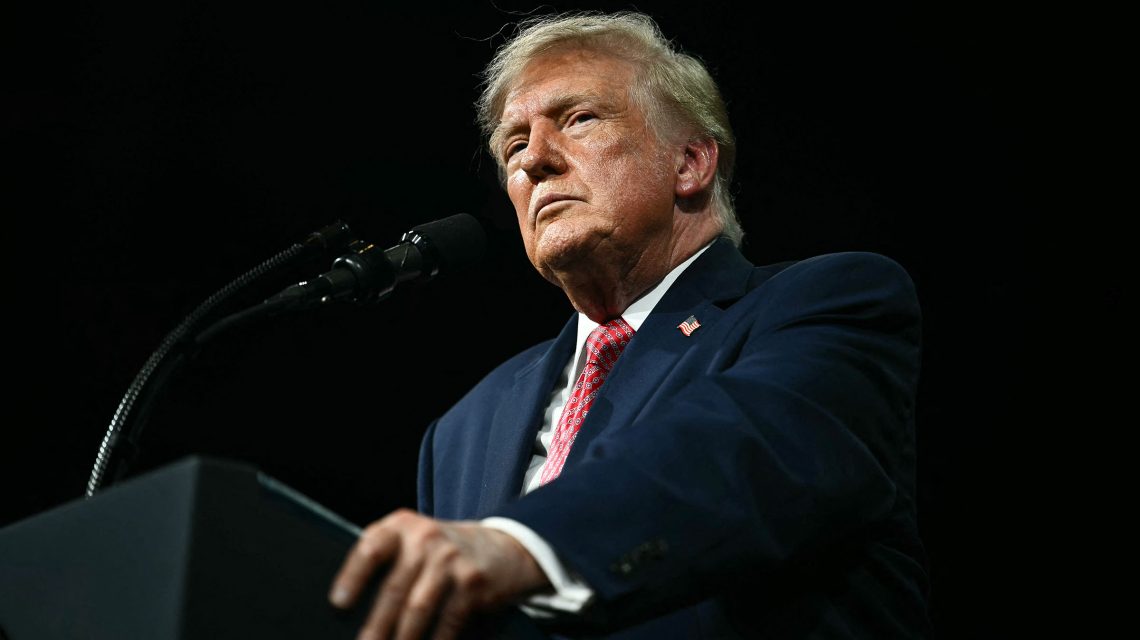
On the eve of a crucial election, Donald Trump made a visit to the Lincoln Memorial Reflecting Pool. This site, where he oversaw a costly renovation marred by peeling coating and algae issues, symbolized the challenges his presidency faced. Instead of addressing the pressing concerns of rising gas prices, expensive groceries, and a new Middle Eastern conflict, Trump focused on construction projects in his 53-minute speech.
This campaign marked a bewildering climax to Trump’s terms. Allies noted his difficulty in staying on message as he traveled nationwide. Trump praised oil companies’ profits amid high energy costs, suggested renaming New Mexico, and mocked a Senate candidate. Often, he diverged into discussions about men’s physiques, prompting an aide to comment on his inability to reach gas-strapped voters while discussing Arnold Palmer and Jon Husted.
The Democrats’ victory was significant. They gained control of both the House and Senate, won governorships, Senate seats, and House districts typically favoring Republicans. Trump’s handpicked candidates, such as Ken Paxton in Texas and Darlene Graham in South Carolina, faced defeats. He acknowledged the loss and linked it partly to the Middle East conflict, stating, “Because of the gasoline prices, people don’t see our strong economy.” He attributed gas price issues to Iran.
Trump’s confidantes observed his detachment from midterms, sharing a notion that party seat losses were inevitable. Historical parallels exist, with Barack Obama’s and George W. Bush’s parties facing midterm setbacks. Trump’s aides attempted to convince him of his influence over election outcomes, yet he remained fixated on history.
“They’ll probably go after me,” Trump said, “and I’ll go after them.”
For over a decade, Trump commanded intense loyalty within the Republican Party. However, the Republicans’ poor performance and Trump’s perceived liability could reshape his presidency’s final years. An NBC News exit poll showed 43% of voters expressed disapproval of Trump through their votes.
Presidents in their last term often turn to foreign policy, a potential focus for Trump, who signaled interest in resuming military actions in Iran. Another official indicated Trump’s intent to emphasize the Western Hemisphere, challenging China’s and Iran’s regional influence. This phase presents alignment opportunities, according to senior officials.
Despite executive power usage, Trump faces new constraints. Confirmations for nominees may prove challenging, and Supreme Court battles could arise. Yet, those close to Trump predict an unfazed and defiant approach. A close ally stated, “This is the end of one Trump presidency chapter, and the beginning of another.”
Amid late September midterm ramp-up, Trump’s aides sensed increased disengagement. Despite a $400 million super PAC fund, Trump delayed campaign spending. Republicans urged funding to support embattled Ken Paxton in Texas. Eventually, political overseers Chris LaCivita and James Blair began utilizing resources to minimize Senate and House losses.
Chief of staff Susie Wiles and advisers implored Trump to campaign actively, positioning him as a savior. Planning an intense campaign blitz, Trump sought to reverse a midterm disaster with 32 district visits in a month. However, Trump’s off-message tendencies sparked undesirable controversies again.
At a South Carolina rally, he praised an attendee for punching a protester, likening him to Evander Holyfield. Trump mocked supporter loyalty, acknowledging he’d receive applause for anything said.
Attempting to replicate strategies from his 2024 campaign, Trump targeted low-propensity voters through unconventional media channels and celebrity endorsements. Athletes and celebrities like Jake Paul and Nicki Minaj joined rallies to bolster appeal.
During the midterms, Trump’s political instincts seemed misaligned. Promising Americans $5,000 checks if Republicans retained Congress led to accusations of vote-buying. A White House role change involved appointing Katie Zacharia, a brief untested replacement, resulting in criticism.
Against advisers’ advice, Trump endorsed Israeli Prime Minister Benjamin Netanyahu, despite Israeli unpopularity among Americans. Jokes about withholding aid increased political dilemmas, as surveys showed 67% distrusting his decision-making diligence.
The GOP’s midterm setbacks highlighted dissatisfaction with the administration amid economic struggles, Middle Eastern conflict, and controversies such as Epstein file handling. A Fox News poll found government corruption concerns significant for voters.
As election results came in, White House allies experienced an end to a turbulent presidential period. However, they understood a new challenging phase was starting, marked by increased defiance under Democratic oversight. Trump’s advisers anticipate transforming Democratic investigations into victimization narratives.
“He knows how to use it to his advantage,” noted an aide.
Staff turnover within the White House is expected, stemming from both attrition and Trump’s dissatisfaction. An insular group of loyalists may emerge, lacking dissenting voices. Discussions about divided government implications continue, recognizing political games and investigations.
A Democratic wave empowered party leaders, with potential incoming House Oversight Committee leaders warning publicly, “LAWYER UP.”
The path forward differs significantly for Trump, who cannot seek another term. A new political calculus emerges, prompting Republicans to consider a post-Trump future. Vice President J.D. Vance faces the challenge of succeeding Trump without alienating him, balancing an emerging presidential campaign and changing influencer alignments.
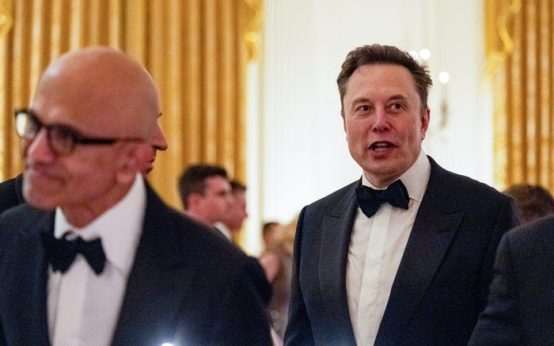 Elon Musk and the 2026 Midterm Elections
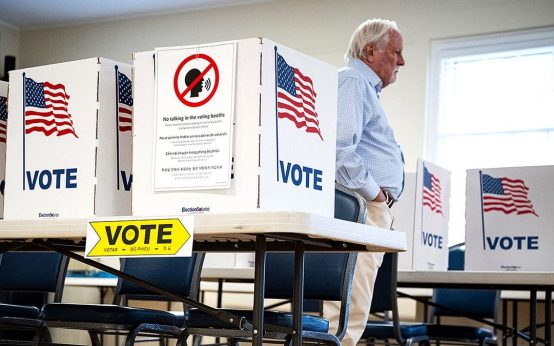 Democrats Secure Majority in Governorships Following Elections
 North Carolina’s Shift: Democrats Gain Unexpected Ground
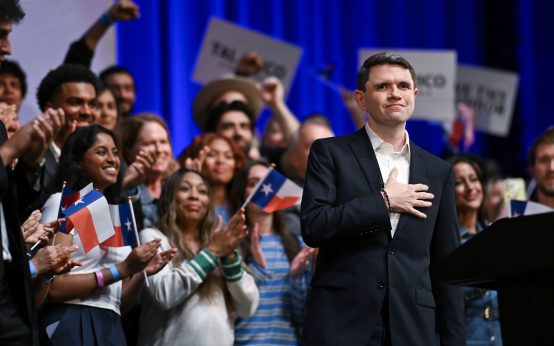 Democrats Secure Significant Wins in Midterm Elections
 Nancy Lacore Secures House Seat in South Carolina
 Democrats Claim Victory in 2026 Midterm Elections