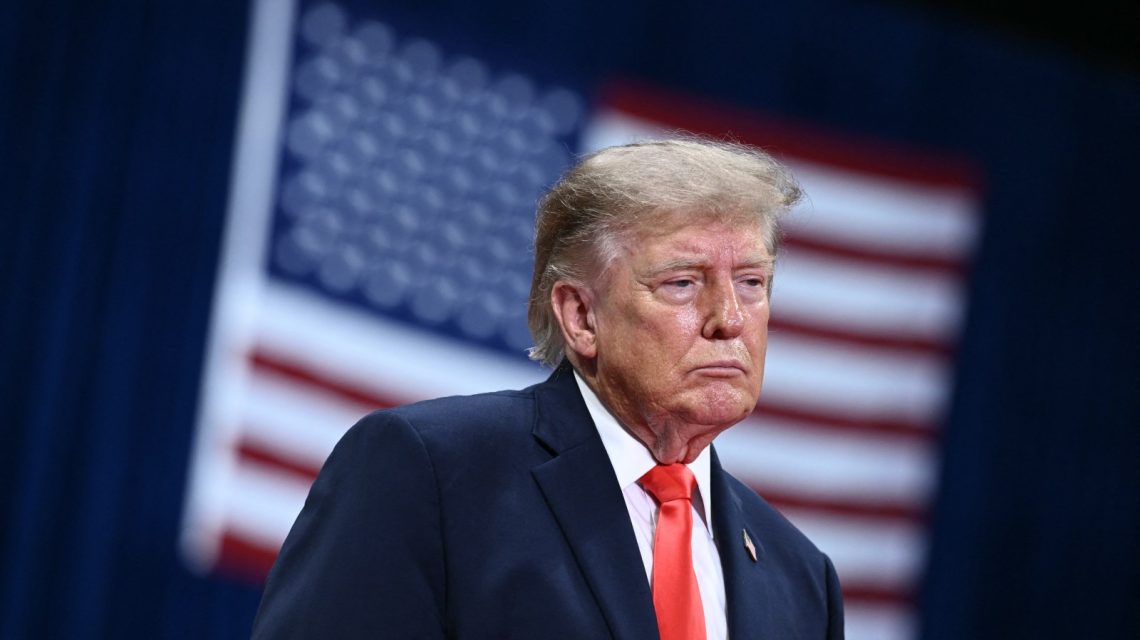
Senate Republicans are preparing for a busy lame-duck session with limited time to progress on President Donald Trump’s agenda. The impending Democratic takeover of the Senate in January highlights the urgency of confirming Trump’s remaining federal judicial nominees.
With less than two months left before the new Congress is seated, Republicans have a narrow window to push through Trump’s nominees amidst a crowded schedule of year-end business. Florida Governor Ron DeSantis has publicly urged Republicans to act swiftly, cautioning that once Democrats gain control, further judicial confirmations could face hurdles.
Since Trump’s second term began in 2025, the current Congress has confirmed 57 judges. Currently, there are 28 federal judicial vacancies, with 11 nominees waiting for existing vacancies. Additionally, five nominees are pending for future vacancies, totaling 16 judicial nominees awaiting Senate action.
A White House official told Newsweek, “We expect all judicial nominees pending in the Senate to be confirmed this year.” The White House remains optimistic about clearing the nominees through the Senate.
DeSantis views the coming weeks as a crucial period, stressing the need to fill every federal judicial vacancy. “The Senate should pull all-nighters for as long as it takes,” DeSantis posted on X, indicating urgency due to the impending Democratic control.
After their success in the recent midterm elections, Democrats have flipped seven U.S. Senate seats and over two dozen U.S. House seats. Results are still pending for some races, three days post-elections.
Judicial Nominees Most Likely to Be Confirmed
Among the 16 nominees, three are most likely to secure confirmation before the new Senate is seated, having already cleared the judiciary committee:
- Anna St. John, Louisiana: Nominated in July for the Fifth Circuit as Judge Kurt Engelhardt retires. Cleared the Senate Judiciary Committee on September 24 and awaits a confirmation vote.
- Daniel Desmond Domenico, Colorado: Nominated for the Tenth Circuit to fill Judge Timothy Tymkovich’s seat. Nomination received in May, cleared the Judiciary Committee in July, and awaits a vote.
- Gregory Carl Cook, Alabama: Nominated to replace Judge R. David Proctor as a U.S. district judge for the Northern District of Alabama. Nomination received in July, cleared the Judiciary Committee in September, awaiting a vote.
These nominees, having cleared the Senate Judiciary Committee, are likely to achieve confirmation before the session concludes.
How the Judicial Confirmation Process Works
Federal district and appeals court judges receive lifetime appointments after being nominated by the president and confirmed by the Senate. This renders judicial appointments as one of a president’s most enduring influences.
To reach the full Senate for confirmation, nominees must first pass through the Senate Judiciary Committee. A simple majority vote in the full Senate is required for confirmation.
What Happens Next
The Senate is anticipated to return to Washington on Monday, starting post-election activities. The schedule allows sessions in portions of November and December, with a Thanksgiving break from November 23 to 27 and aiming for adjournment by December 18. This leaves Republicans with around six weeks, or fewer legislative days, to address judicial nominations alongside other year-end efforts.
The current 119th Congress concludes as the 120th Congress begins on January 3, marking the transfer of Senate control and the commencement of a new session.
 Illinois House Leadership in Transition: Welch Steps Down Amid Sexual Harassment Controversies
 Sanders Discusses Medicare-for-all and Trump’s Potential Stance
 Congressman Bill Foster Wins Reelection in Illinois’ 11th District
 Industry Leaders Concerned Over New Chief of Staff Appointment
 Democrats Achieve Historic Midterm Wins in Red States
 Georgia Voters Make Historic Choice with Keisha Lance Bottoms