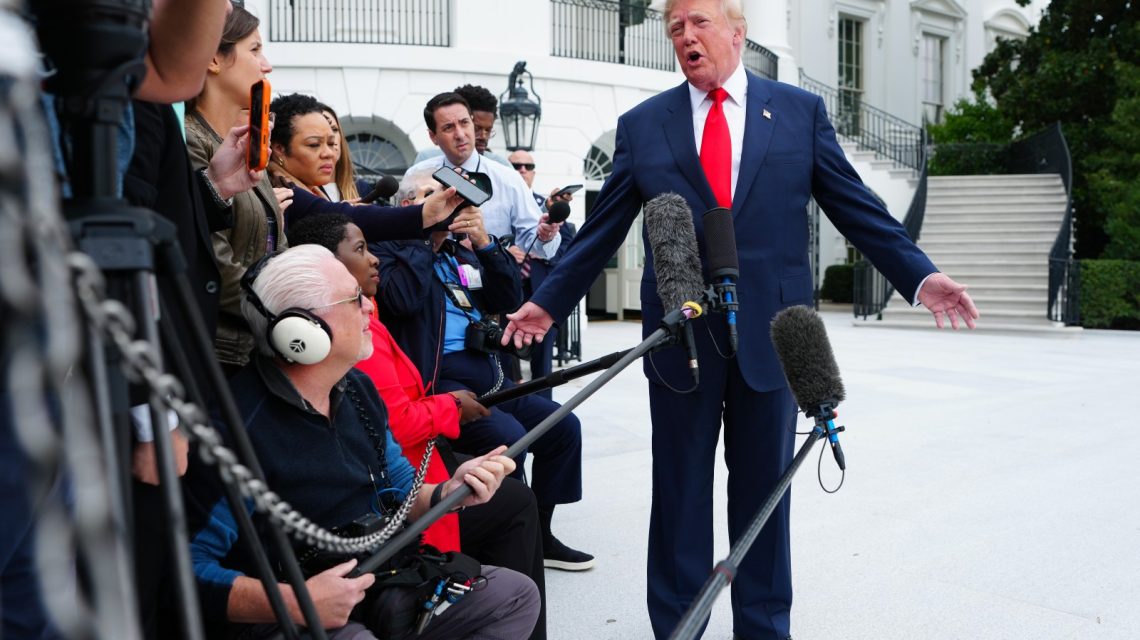
President Donald Trump has fueled the debate over broadcasting Nidal Hasan’s execution by endorsing a pastor’s biblical argument for the livestream. Concurrently, Trump indicated that he would personally make the final decision on whether the controversial broadcast will proceed.
Trump’s Position
Trump reshared a report featuring Pastor Robert Jeffress of First Baptist Dallas, a long-time ally, who argued that such a public execution would underscore the sanctity of life. Trump’s post intensified debates among religious leaders, following Pope Leo XIV’s reiteration of the Catholic Church’s stance against capital punishment. The head of the U.S. Conference of Catholic Bishops also condemned the proposed livestream.
Opposition has grown among both Democratic lawmakers and some Republicans who favor executing Hasan but reject the idea of a public broadcast. On Saturday, reporters reached out to the White House for a comment.
Trump stated, “There are two thoughts: don’t show it and show it.” He suggested that broadcasting might deter similar crimes. Despite knowing the military’s preference, Trump emphasized that he would ultimately decide. His comments hinted that the livestream remains a possibility, following his previous approval of the Pentagon’s plan.
Criticism and Defense
Trump defended the death sentence, calling Hasan a “vicious killer” responsible for the deaths of 13 people and injuring over 20 others. Defense Secretary Pete Hegseth supported the idea of a public execution, claiming it would demonstrate serious consequences for such actions.
Religious Perspectives
Robert Jeffress contended that capital punishment aligns with biblical teachings and that public executions can highlight the importance of life. “Capital punishment is commanded by God in Genesis 9:6,” said Jeffress, emphasizing its role as an object lesson. He believed that seeing this lesson could benefit society.
Conversely, Pope Leo and Archbishop Paul Coakley voiced strong disapproval. Pope Leo, without naming Hasan, condemned capital punishment as an attack on the dignity of life, advocating for modern detention systems instead. Archbishop Coakley labeled the livestream proposal as “barbaric,” urging reconsideration to protect the nation’s moral fabric.
Political Reactions
Vice President JD Vance expressed skepticism regarding the government’s plan to broadcast the execution, doubting its actualization. While not opposing the death sentence, several Republican lawmakers rejected the idea of streaming. Senator Thom Tillis criticized the public broadcast as “beyond disgusting,” and Senator John Curtis warned against fostering a culture that views executions as spectacle.
Senator Lisa Murkowski highlighted potential risks of portraying Hasan as a martyr, while Representative Austin Scott compared the livestream to extremist practices, asserting that America should rise above such actions.
Victims’ families also voiced opposition. Kristopher Craig, the brother of a soldier killed in the attack, urged against the broadcast, emphasizing the distinction between accountability and spectacle. Austin Sarat, an Amherst College professor, described livestreaming as a “spectacle of cruelty” that would terrorize rather than educate.
The Context of the Execution
The Death Penalty Information Center noted no precedent for a livestreamed execution in the U.S., with public executions ceasing in the 1930s. Hasan, a former Army major and psychiatrist, was convicted in 2013 for the 2009 Fort Hood shooting, killing 13 individuals and injuring 32 more. His execution is set for Dec. 3 at 1 p.m.
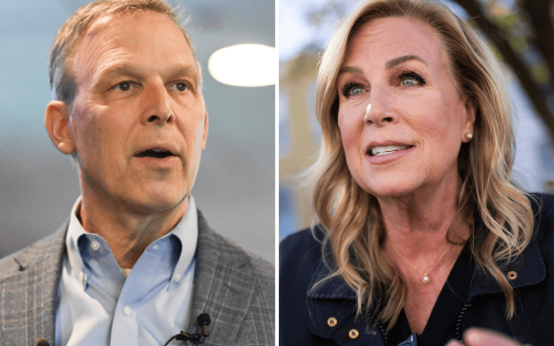 Contentious Race in Pennsylvania’s 10th District Heats Up
 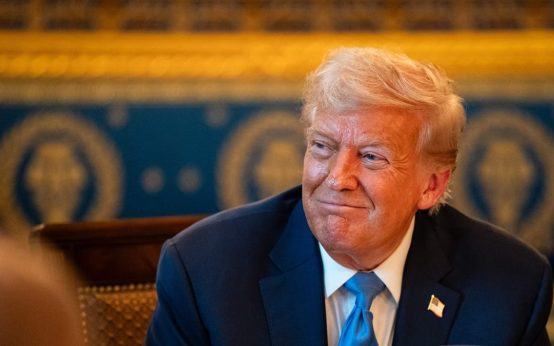 Trump’s Discontent Over Nobel Peace Prize Decisions
 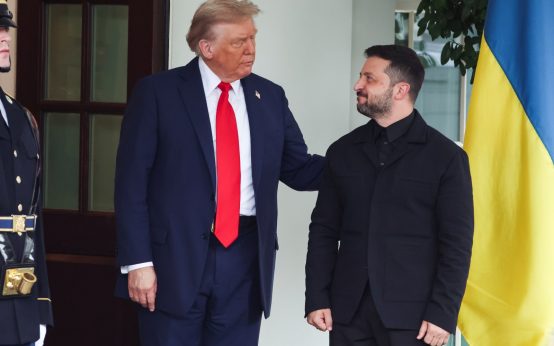 Trump Urges Replacement of Zelensky Amid Rising Tensions
  Supporting Second Chances: The Clean Slate and Fresh Start Acts
  Judicial Watch Criticizes FBI Over Delayed Document Release in Trump Assassination Investigation
  Security Crackdown in New Delhi Amid Protests Against Voter List Revision