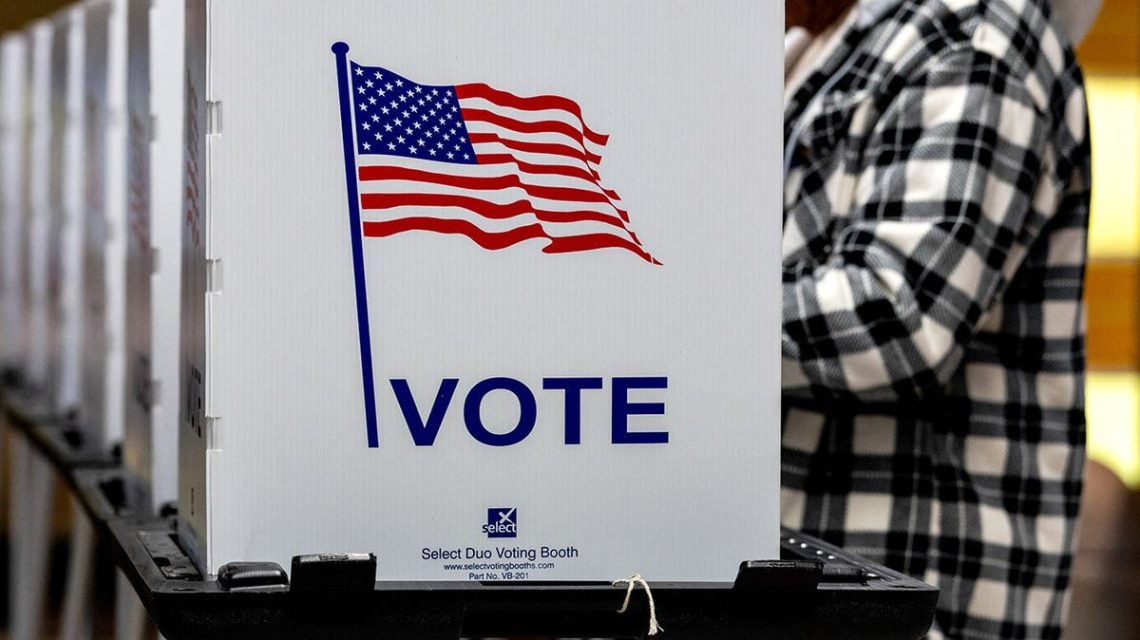
Democrats have gained significant ground in the recent midterm elections, potentially influencing how America chooses its next president by 2028. Key states including Michigan, Pennsylvania, Wisconsin, and Nevada now have Democratic control over the governor’s office and both chambers of the state legislature.
The National Popular Vote Interstate Compact (NPVIC) may benefit from these shifts. Currently, 18 states plus Washington D.C. have enacted the compact, accounting for 222 pledged electoral votes. This is 48 votes short of the 270 needed for the compact to take effect. If the four states join, their 50 combined electoral votes would push the total to 272, thereby activating the compact. Arizona’s contribution could raise this to 283 if Democrats gain full control there.
National Popular Vote (NPV), the organization behind the compact, maintains connections with legislative sponsors in these states. Bills related to the compact are expected during the 2027 legislative sessions. Patrick Rosenstiel, a senior consultant for NPV, expressed confidence in securing the necessary votes to deliver what 63 percent of Americans desire.
I am confident we have multiple paths to secure the 48 electoral votes required to deliver what 63-percent of Americans want,said Rosenstiel.
Under the present electoral system, states except Maine and Nebraska award votes to the candidate winning the statewide vote. The compact aims to allocate electors based on the national vote totals, thus, preserving the Electoral College while ensuring the national tally counts.
Advocates for the compact argue that it would equate every vote nationwide. Critics, such as Hans von Spakovsky from Advancing American Freedom, argue the compact could face constitutional challenges. Spakovsky warns that altering the foundational electoral structure needs more than interstate agreements.
This is unprecedented,Spakovsky said, reflecting on historical interstate compacts like water sharing, which do not impact constitutional structures.
Rosenstiel, however, asserts state powers under Article II, Section 1 of the Constitution, allowing states to decide how electors are appointed. He mentions the only legal query might concern congressional consent for the compact, as required under the Constitution’s Compact Clause in Article I.
The possibility of the compact being approved by Congress is complex. Simple majorities in both chambers could suffice according to the Constitution, without needing the president’s signature, although litigation from non-participating states might arise. Spakovsky suggests the Supreme Court could be involved, questioning if major constitutional changes can occur sans a formal amendment process.
NPV is working to include additional states with plans to submit bills in advance of the 2027 session. Rosenstiel projects the compact will impact the 2028 election if enough states join by July 20 of that year. Meanwhile, the Electoral College remains the deciding factor.
Rosenstiel remains optimistic about achieving a national popular vote for the president by 2028.
I’m increasingly confident we can achieve that goal and we will have a national popular vote for president in 2028. I would certainly prepare for it,he said.
Alec Schemmel reports on politics for Fox News Digital and resides in the Washington D.C.-Baltimore Metro Area.
 Controversy Surrounds Trump’s Proposed Military Triumphal Arch in Washington
 Unconventional Offer: Trump Proposes Press Secretary Role to Dana White
 Democrats Celebrate Historic Victories
 Jay Rockefeller: A Legacy in West Virginia and Beyond
 Trump Offers UFC Boss Dana White Press Secretary Role
 Student Loan Borrowers Face Increased Oversight