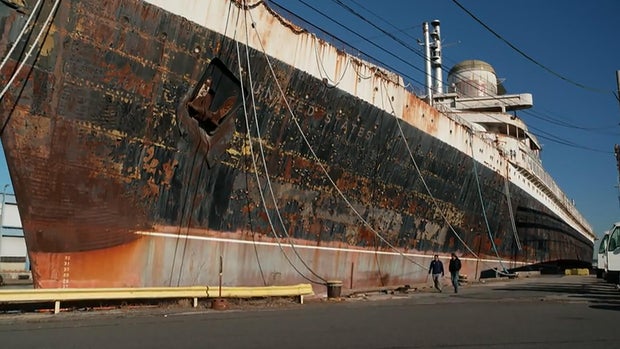
The SS United States, with her impressive size and history, remains a symbol of a bygone era. Once celebrated as the fastest ocean liner, she achieved a record transatlantic speed of over 40 miles per hour on her maiden voyage in 1952. This record remains unbeaten even today.
Her elegance matched her speed. For nearly twenty years, she transported U.S. presidents, celebrities, and countless passengers across the ocean. However, the advent of jet travel in the 1960s diminished the allure of sea voyages, leading to her retirement in 1969.
Now resting in Philadelphia, the once-grand SS United States finds herself in disrepair. Yet her presence cannot be ignored. Susan Gibbs, president of the SS United States Conservancy, emphasizes the ship’s symbolic importance, as her grandfather, William Francis Gibbs, was the ship’s architect.
The U.S. military partially financed her construction, enabling swift transformation into a troop ship if necessary. Despite her current dilapidated state, Gibbs seeks to preserve what remains. Numerous proposals for museums and event spaces fell through, bringing the ship close to disposal.
Alex Fogg, natural resources chief for Okaloosa County, Florida, presents a novel solution: sinking the ship to create the world’s largest artificial reef. The county’s artificial reef program has successfully used smaller vessels to foster marine habitats.
Jennifer Adams, director of tourism for Okaloosa County, viewed acquiring the SS United States as an opportunity. The cost was substantial, with $1 million for the ship and $13 million for preparation. However, the notion of sinking the ship stirred powerful emotions.
The SS United States contains 1950s environmental contaminants, requiring extensive cleanup before sinking. Fans of the ship, like Linda Sylva, remember her maiden voyage. Her all-American construction resonates with many, including those who never sailed aboard.
Fans gathered for a last look at the ship before her farewell. In 2025, she began her final journey south, cleared Philadelphia’s Walt Whitman Bridge, and reached a shipyard in Alabama for remediation. They prepared to scuttle the ship 20 nautical miles off the Florida coast.
Her iconic funnels will bookend a planned museum, preserving artifacts like the bar from her smoking lounge. Despite the sorrow of scuttling her, the SS United States will continue to impact maritime history. She transitions from solitude to becoming a living reef, welcomed by the ocean, her final resting place.
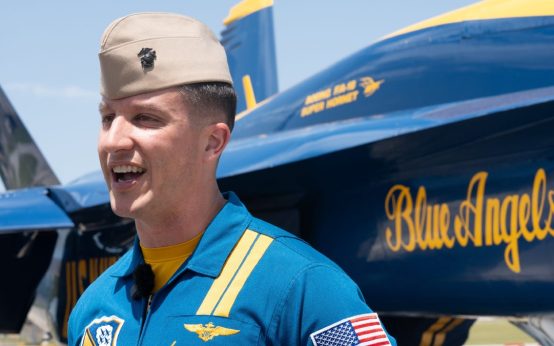 Blue Angels Pilot Removed from Team for Not Meeting Standards
 From Tech Layoffs to Tiny Homes: Lauren Patton’s Journey
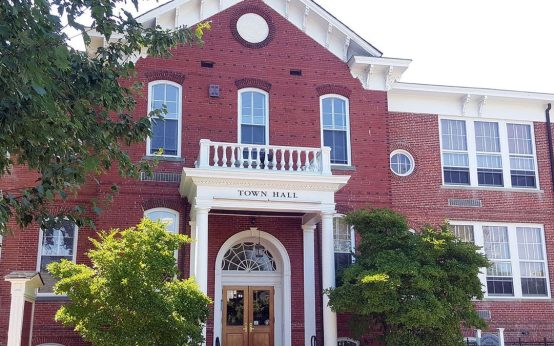 New Jersey Township Faces Backlash Over $26 Million Theft Disclosure
 AI and Mobile Tech Fueling Gambling Crisis in America
 Cyclist Fatality in North Carolina Hit-and-Run Incident
 Brooklyn Woman’s Murder: Suspect Arrested