
Transportation Secretary Sean Duffy criticized Democratic Representative Don Beyer for questioning the FAA’s new AI tool on ‘Fox & Friends’ with Brian Kilmeade. Duffy called the criticism baseless and defended the predictive technology’s role in coordinating schedules to avoid flight delays and safely manage American airspace.
The Trump administration introduced an AI-supported air traffic management tool, which the Department of Transportation (DOT) reports has already rerouted nearly 180 flights carrying around 24,000 passengers. This new system, known as the Federal Aviation Administration’s (FAA) Strategic Management of Airspace, Routes and Trajectories (SMART), has helped reduce flight times by an average of over 10 minutes.
SMART, operational for almost six weeks, enables air traffic controllers to identify more efficient routes and anticipate disruptions. According to the DOT, the technology also saves about 80 gallons of fuel per flight, aiming to decrease flight delays and cancellations.
Duffy emphasized that under President Trump’s leadership, historic progress is being made to improve air traffic control and enhance passenger experiences. He stated that SMART could significantly cut delays and reduce travel stress.
In October, SMART successfully rerouted a flight intended to travel from Ronald Reagan Washington National Airport to Orlando International Airport. By suggesting an alternative path, the system helped bypass expected congestion, saving six minutes of flight time.
The system processes about 200 data streams, such as weather patterns and traffic flow. Its AI engine aids in predicting congestion build-up and suggesting efficient routes. SMART also improves how the FAA handles severe weather, which disrupts flights.
A DOT fact sheet notes that the agency’s prior method involved blocking large sections of airspace during storms, even when safe corridors existed. SMART offers a detailed view, allowing specialists to navigate around weather disruptions effectively.
Despite its advanced capabilities, SMART doesn’t replace human air traffic controllers. Aviation specialists review and validate data from SMART before sharing scheduling suggestions with the FAA’s Air Traffic Control System Command Center, which in turn coordinates with local facilities.
Annually, about 6.5 million flights occur in the nation’s 30 busiest airports. SMART’s initial implementation in the National Capital Region has expanded to other areas like Miami and Atlanta. The FAA aims to integrate SMART into all air traffic control centers nationwide.
The technology aims to help airlines maintain consistent schedules, easing the load on air traffic controllers. For passengers, the administration hopes SMART results in fewer delays, shorter flights, and minimized congestion.
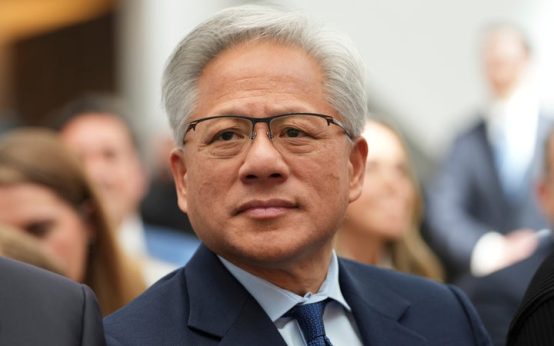 Nvidia Faces Challenges Amidst CEO Investigation
 Guide to Choosing a Mobile Hotspot
 Residents Debate Over the Proposed ComEd Substation in Lakeview
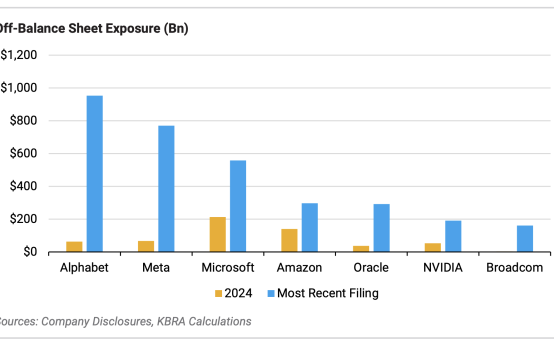 Nvidia Launches Investigation into CEO’s Affair Amid Spy Allegations
 Republicans Face Legislative Challenges Before Power Shift
 U.S. Midterm Elections: Pro-Life Priorities and Challenges