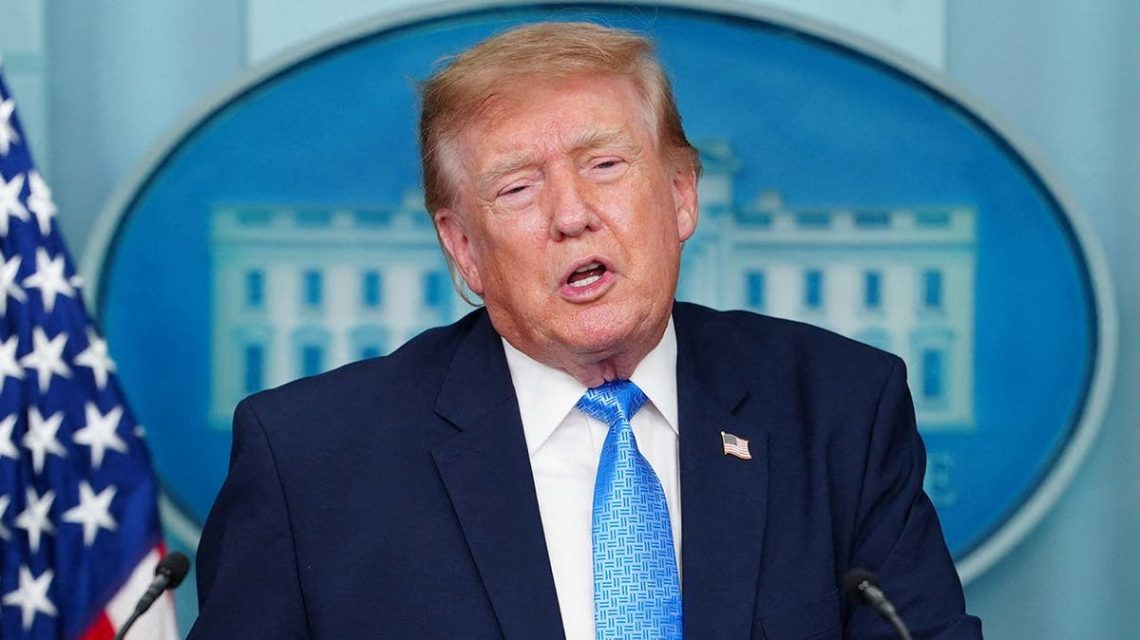
President Donald Trump stated on Monday that his administration’s approach to deportation has been more lenient towards migrant workers compared to individuals involved in criminal activities such as murder and drug trafficking.
During a phone interview with C-SPAN, Trump addressed concerns about deporting long-term residents who contribute to the U.S. economy and abide by the law. He emphasized that the administration has focused its efforts on those involved in serious crimes.
We certainly haven’t put the same push on them as we have on the murderers or the drug dealers,Trump said.
He mentioned issues caused by the closing of mental institutions, resulting in dangerous individuals being released. Trump clarified the administration’s deferential treatment towards non-criminals, pointing out the softer approach towards occupations like waitresses and farm workers.
Coming off midterm elections where Republicans lost ground, Trump expressed interest in coordinating with Democrats on immigration policy. Recent interviews highlighted his willingness to compromise on long-standing immigration issues, although he maintains a firm stance against amnesty.
In a ’60 Minutes’ interview, Trump acknowledged that immigration enforcement may have had mixed results for Republicans, admitting challenges faced when deporting employed individuals contributing positively to society. While some Americans demand strict enforcement, others advocate for leniency towards established immigrant workers.
When you go into a hotel and you have a woman that’s working there as a maid, as a cleaner,… all of a sudden they’re being taken out of the country, it’s tough,he said, highlighting the complicated emotions involved.
As part of further discussions with Democrats, Trump has shown interest in creating potential pathways for individuals living illegally in the U.S. for over a decade. Despite exploring these possibilities, he reiterated at a White House press briefing that there would be no change to his no-amnesty policy.
The conversation extended to potential Republican responses to impeachment proceedings against Pentagon chief Pete Hegseth. Trump noted his disappointment if party members sided against Hegseth.
Addressing international relations, Trump spoke on the military actions concerning Iran and dialoguing with Middle Eastern allies. He suggested a tactical approach to resolving the conflict, preferred by regional partners like Qatar and Saudi Arabia, aiming for a measured resolution over drastic military escalation.
Concluding on Iran, Trump speculated on potential negotiations, observing that Iran might seek a diplomatic solution, which remains a subject to anticipate.
 Nvidia CEO Faces Scrutiny Amid U.S.-China Tensions
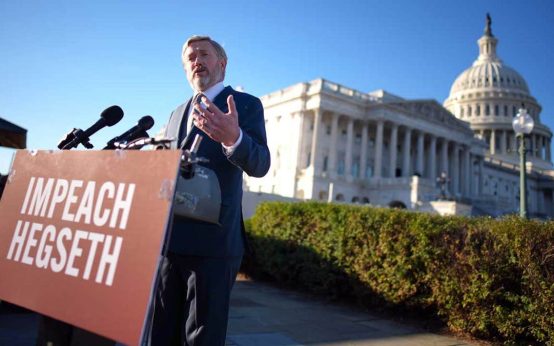 Trump Backs Pete Hegseth Amid Impeachment Efforts
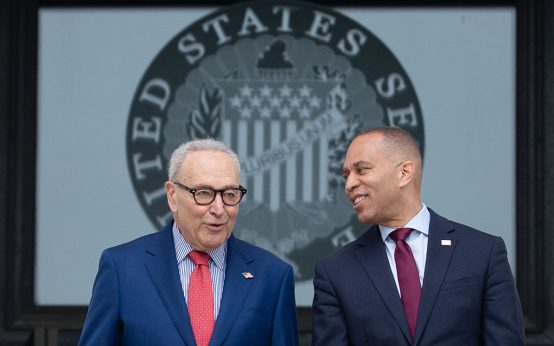 Trump Considers Immigration Deal as Democrats Seek Assurance
 The Influence of Film Subsidies on Speech and Markets
 California Voters Reject Billionaire Tax Measure
 Katie Miller’s Countdown Sparks Controversy