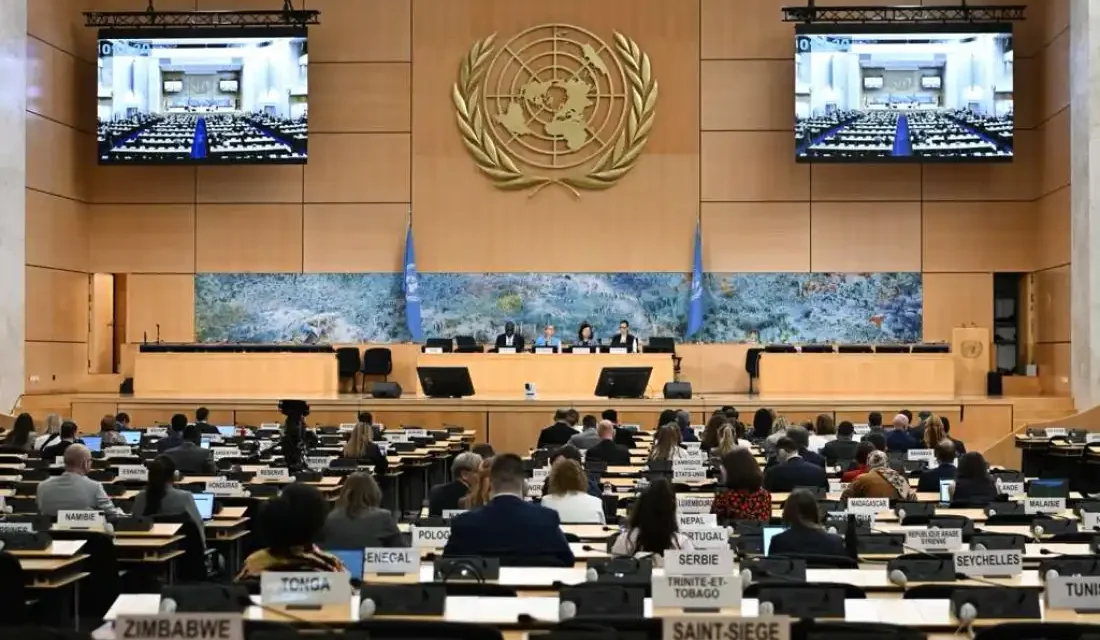
The U.N. Human Rights Council gathered at the Palais des Nations in Geneva on September 30, 2026, for an important assembly. The United States has chosen not to participate in its human rights review for the second consecutive year. This action makes it the only U.N. member to consistently avoid these reviews.
The universal periodic review is critical, as each U.N. member state is expected to undergo this evaluation every four to five years. The aim is to ensure countries face peer assessments of their human rights records. Besides diplomatic oversight, civil society groups also contribute evidence. In this case, the American Civil Liberties Union spearheaded such efforts in Geneva.
Jamil Dakwar, the ACLU’s human rights director, expressed that the current U.S. administration was violating human rights intentionally. He highlighted issues around immigrant treatment, student protests, and LGBTQ community rights. Dakwar urged the U.N. to hold the U.S. accountable, suggesting that the administration intended to undermine human rights.
In response, the U.S. State Department noted its formal withdrawal from the council due to perceived anti-American sentiments. Despite this withdrawal, the U.N. review process remains an obligation for all 193 member states. Human rights organizations view the U.S. stance as part of a broader disengagement pattern, citing examples like sanctions on the International Criminal Court and the departure from the World Health Organization.
The U.N. faces a dilemma; historically, it has limited punitive measures for countries avoiding the review. In 2013, Israel skipped a review but later participated after rescheduling. The U.S.’s continued absence raises questions about future proceedings. Rights groups want the U.N. to progress with the review and use the evidence against the U.S. to assess alleged violations.
Previously prepared questions for the U.S. included those on the death penalty and abortion restrictions. However, holding a review without U.S. representation might encourage other nations to similarly abstain, leaving data to potentially gather dust. For now, the U.N. has deferred making decisions until early next year, leaving U.S. citizens without this essential recourse.
One activist described the situation in Geneva as a “crisis of accountability.” This void underscores the challenges when key nations bypass such internationally mandated reviews.
 Senate Republicans Reelect John Thune as Leader
 Ledger Mann’s Mission to Help Children on the Spectrum
 Takedowns in Wrestling and Politics: The Relentless Path of Jim Jordan
 Alaska Senate Race Remains Unresolved
 Potential Impeachment of Defense Secretary Pete Hegseth
 Israel’s Government Formation Process: Challenges and Prospects