
Jim Jordan, a former Ohio State wrestling coach, is a notable figure in politics. His wrestlers revered him for his Olympic-level expertise and discipline, earning him the nickname ‘Jimmy.’ He never drank or smoked, setting a model of propriety. However, they feared sparring with him, describing him as an aggressive and relentless coach.
Jordan’s approach to wrestling parallels his political career, where he serves as a powerful Republican chairman of the House Judiciary Committee. Known for his staunch defense of former President Donald Trump through two impeachments and multiple legal challenges, Jordan exhibits the same relentless aggression in Congress as he did on the mats.
Former wrestler Mike Schyck recalled how Jordan tested him during practice, pushing his limits to the edge. This uncompromising style typifies both his athletic and political techniques. John A. Boehner, a former Speaker of the House, described Jordan’s intensity as pervasive, acknowledging the contentious nature of associating with him.
Jordan’s political persona is divisive. His fierce advocacy for Trump endears him to Trump supporters but alienates many Democrats and moderate Republicans. In wrestling and politics, Jordan’s approach creates stark divides among his peers.
During Jordan’s tenure as an assistant wrestling coach at Ohio State from 1986 to 1994, a scandal emerged involving Dr. Richard Strauss, a university doctor accused of molesting male athletes. While Jordan insists he was unaware of the abuse, this claim has faced skepticism. Some wrestlers allege they reported Strauss’s inappropriate conduct within Jordan’s hearing, casting doubts on his denials.
Despite the controversy, Jordan’s wrestling background has shaped his resilience and tactics in politics. He began wrestling at age 8, achieving significant success as a high school and college wrestler, nearly qualifying for the 1988 Olympics. His style was characterized by relentless offense and probing for weaknesses, traits that translate to his political strategies.
In politics, Jordan maintains a relentless offensive stance. His interrogative methods during committee hearings, described by Congressman Jamie Raskin as expressions of chronic outrage, display his combative rhetoric. He views committee interrogations similar to wrestling, applying constant pressure to his political adversaries.
Jordan’s personal life mirrors his professional intensity. He maintains a disciplined lifestyle, credited to his demanding workout routines. Despite his frenetic pace, he claims no distraction by physical indulgences like drinking or smoking.
Amid allegations of covering up the Strauss scandal, Jordan maintains his innocence. Critics argue his responses mirror tactics used to defend Trump: attack, deflect, and deny. Jordan’s loyalty to Trump remains steadfast, earning him a Presidential Medal of Freedom for his political endeavors.
Jordan’s zeal and confrontational style are defining features. His relentless pursuit of his goals, seen in wrestling and politics, illustrate a career driven by persistent aggression and a refusal to concede.
This narrative is underlined by a backdrop of personal determination and political fervor, making Jim Jordan a figure as polarizing as he is influential.
 Senate Republicans Reelect John Thune as Leader
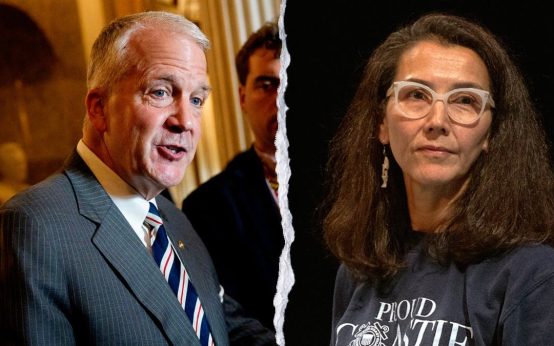 Alaska Senate Race Remains Unresolved
 Potential Impeachment of Defense Secretary Pete Hegseth
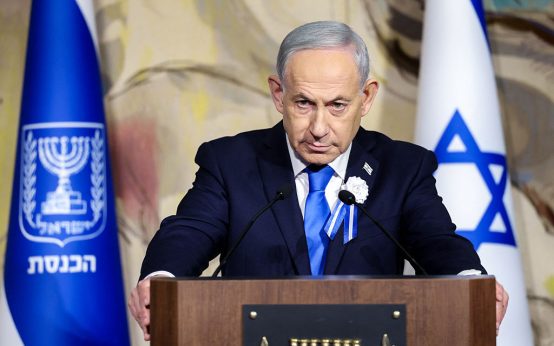 Israel’s Government Formation Process: Challenges and Prospects
 Jim Jordan Poised as Key Trump Defender in Congress
 U.S. Continues Boycott of U.N. Human Rights Review