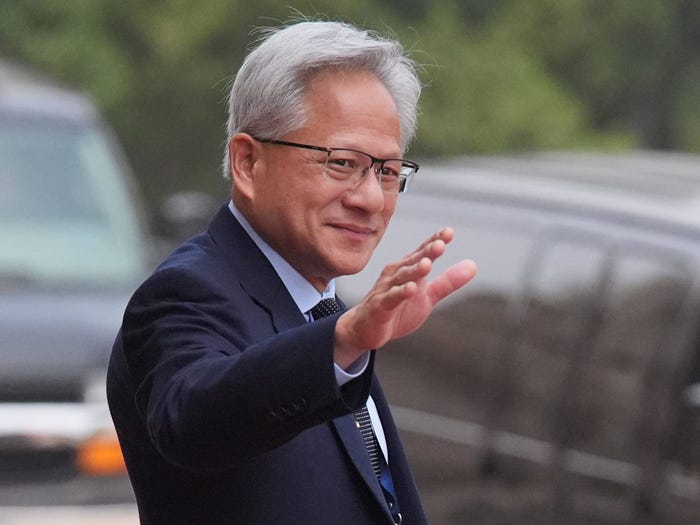
For many years, Jensen Huang championed a flat leadership model, transforming Nvidia into a significant player in the tech industry. His sudden departure amid controversy has placed this system under considerable strain.
Cofounding a Tech Giant
Huang co-founded Nvidia in the early 1990s, beginning at a Denny’s restaurant. He led the company with up to 60 direct reports, maintaining a flat structure to boost information flow and empower employees. However, such a leadership model can create a thin succession pool, according to experts. David Astorino from RHR International noted that it is unlikely any of Huang’s direct reports are prepared to step into a CEO role.
Lack of Succession Planning
Nvidia’s interim leadership decision indicates a lack of a clear successor. Succession planning is vital, yet many boards delay or prepare inadequately. A Nasdaq survey in 2025 highlighted that 21% of respondents reported no CEO succession plan.
Key-Person Risk
Astorino mentioned Huang’s prominence created a ‘key-person risk,’ centralizing control with a single leader. This issue is pronounced in companies critical to sectors like AI, impacting continuity and strategy.
Challenges for Founders
Dan Kaplan from ZRG observed that founders often ignore succession discussions, partially due to past challenges where their ideas faced skepticism. Kaplan emphasized the shortfall of leadership development in flat organizations.
Identity and Founder-Led Companies
Huang’s resignation followed reports of personal misconduct and a board inquiry into a supposed foreign intelligence matter. Nvidia appointed Colette Kress as interim CEO. Bradley Akubuiro from Bully Pulpit International noted that founder identities tightly linked to a company’s success can create vulnerabilities.
Strengthening Governance
Boards can reduce risks by introducing independent directors to enhance oversight. Akubuiro stressed that succession planning requires more than just naming a potential leader. Experience and stakeholder interactions are crucial for successors to gain confidence.
Avoiding a Leadership Vacuum
Umesh Ramakrishnan of Kingsley Gate stated that naming a successor prematurely could destabilize leadership and cause internal competition. Proper planning should involve cultivating several internal candidates and offering them significant responsibilities.
Nvidia’s Current Situation
Lior Prosor from Deep33 highlighted Nvidia’s strong employee loyalty, driven by stock incentives. Leadership changes and share value fluctuations might allow competitors to poach talent.
Lessons for Other Companies
Alexander Kirss from Gartner suggests Nvidia’s challenges should warn firms using flat structures. A well-organized hierarchy fosters clear succession pathways, proving no employee, including the CEO, is indispensable.
 North Korean Hackers Steal $400 Million in Cryptocurrency
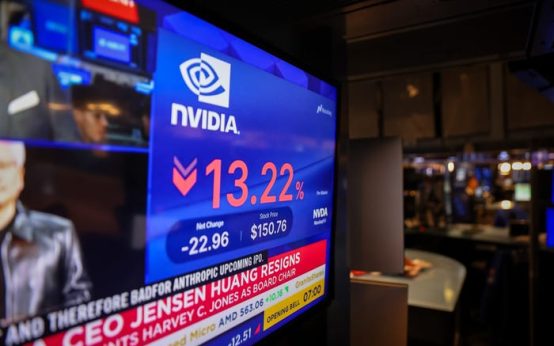 Jensen Huang’s Resignation and Its Impact on NVIDIA and AI Industry
 Navigating Reliability Issues in Wireless Networking
 Microsoft Outage Not Linked to Cyberattack, Says Australian Minister
 Global Microsoft Outage Disrupts Government and Business Operations
 Increased Scrutiny on AI Infrastructure in Southeast Asia Amid Jensen Huang Scandal