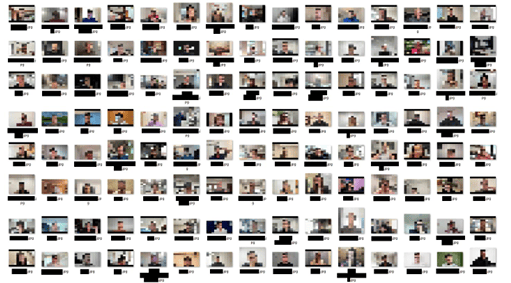
North Korean hackers have stolen over $400 million in cryptocurrency, as disclosed by the FBI. The attack involves impersonating friends and colleagues during fake video calls. The hackers hijack messaging accounts, record webcam footage, and trick contacts into downloading malware.
The scheme, called “FaceStealer,” is known for its complex execution, with hackers creating fake video conferencing platforms like Zoom and Microsoft Teams. The FBI has captured computer infrastructure tied to the scam and found more than 900 webcam recordings used in the operation.
How FaceStealer Operates
Stage 1: Compromising the First Victim
The hackers start by targeting a compromised computer. They search for cryptocurrency details, access contacts, and record the victim’s webcam during video calls.
Stage 2: Hijacking Messaging Accounts
The attackers take over accounts on platforms such as Telegram and LinkedIn. They pose as the account owner to arrange video calls under the guise of catching up or discussing investments.
Stage 3: Setting Up Fake Video Calls
The hackers may use legitimate scheduling services. Links sent to join calls redirect to fake conferencing sites under their control.
Stage 4: Playing Secretly Recorded Footage
Victims see recordings of individuals they know, previously captured by the hackers. They may show several clips to simulate a group meeting.
Stage 5: Installing Malware
The hackers simulate technical issues and instruct victims to download updates or run code, installing malware that collects personal information and records their webcam.
Stage 6: Repeating the Attack
With each new victim, the cycle continues. Hackers may delay theft to allow wallet balances to increase. In some cases, they used deepfake videos to impersonate cryptocurrency figures.
FBI Actions
The Justice Department seized cloud infrastructure used in FaceStealer, linked to North Korean groups like Sapphire Sleet. The scheme is believed to fund North Korea’s weapons program.
Identifying Potential Targeting
The FBI advises caution with unexpected video invites, warning against installing software during calls. Use authorized apps and verify invitations separately. Keep webcams off until the call begins properly.
If compromised, secure your accounts, change passwords, and notify contacts. Move cryptocurrency to new wallets on unexposed devices. Report incidents to the FBI at IC3.gov, with “FaceStealer” as a keyword.
 The Consequences of Leadership Structures: A Look at Jensen Huang’s Nvidia
 Jensen Huang’s Resignation and Its Impact on NVIDIA and AI Industry
 Navigating Reliability Issues in Wireless Networking
 Microsoft Outage Not Linked to Cyberattack, Says Australian Minister
 Global Microsoft Outage Disrupts Government and Business Operations
 Increased Scrutiny on AI Infrastructure in Southeast Asia Amid Jensen Huang Scandal