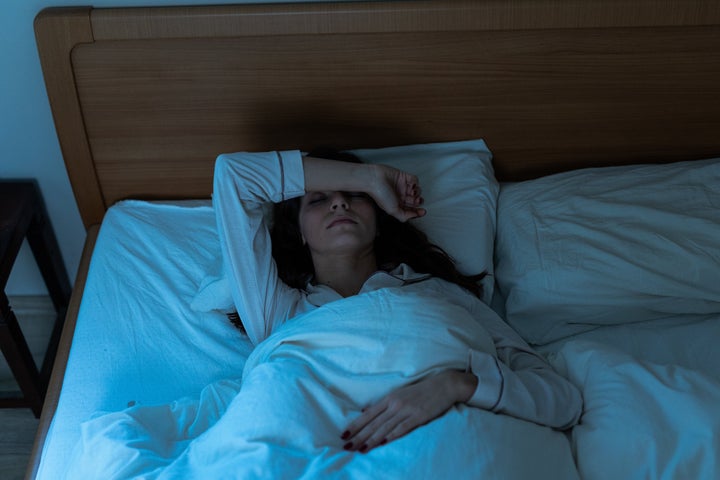
Consider investing in blackout curtains and switching your phone off before sleeping. Recent studies suggest that exposure to artificial light during nighttime can impact your health negatively. Research from JAMA Network Open associates nighttime artificial light exposure with increased cardiovascular disease risks.
The study monitored 88,905 individuals over 40, measuring their nighttime light exposure using wrist sensors from 12:30 a.m. to 6 a.m. Participants were categorized into groups based on their exposure levels. Over 9.5 years, their heart health was evaluated, accounting for factors like smoking, activity levels, shift work, and socioeconomic status.
Compared to those with minimal light exposure, individuals with high exposure levels experienced worse cardiovascular outcomes. The increased exposure correlated with a 56% rise in heart failure risk, up to 56% higher heart attack risk, and up to a 30% increase in stroke risk.
Experts point to the disruption of the circadian rhythm as a key reason for these health effects. The circadian rhythm governs our body’s sleep-wake cycle. Dr. Jeremy Slivnick of UChicago Medicine highlights that disturbances in this rhythm can lead to cardiovascular events, though he wasn’t involved in the study.
Nighttime light can trick the brain into perceiving daytime, upsetting regular circadian patterns. Dr. Ehimen Aneni from Yale School of Medicine notes that this disturbance affects overall sleep health, including both duration and quality. Despite getting seven to eight hours of sleep, poor sleep quality can result in fatigue or headaches, which should be discussed with a doctor.
Poor sleep correlates with various cardiovascular and cardiometabolic issues. Short sleep duration heightens heart attack and stroke risks, while sleep disorders are linked to heart disease. Slivnick describes sleep as the body’s recharging mechanism. Inadequate sleep elevates stress and anxiety, activating the fight or flight response, straining the heart over time.
Chronic stress contributes to conditions like high blood pressure, escalating cardiovascular disease risks. Additionally, circadian rhythm disruptions are tied to type 2 diabetes development, which further increases cardiovascular risk. Aneni mentions that women show more pronounced light exposure effects compared to men, aligning with existing research on circadian disruptions in women working night shifts.
The study acknowledges limitations, such as lacking specific light sources and diversity, with 97% of participants being white. Aneni hopes for further studies to better explain the mechanism linking light exposure to heart disease, focusing on sleep quality and quantity.
“New research indicates that nighttime light exposure heightens the risk of cardiovascular issues like heart failure.”
Maintaining good sleep hygiene can help improve sleep quality, including minimizing nighttime light exposure. Despite the need for more research on this connection, limiting exposure may reduce heart disease risks.
Aneni stresses the importance of prioritizing sleep, aiming for seven to nine hours per night, with consistent sleep and wake times. Quality sleep contributes to better overall health and reduced cardiovascular disease risk.
Beyond managing light exposure, Slivnick recommends following the American Heart Association’s Life Essential 8 for heart health:
- Eating a diet rich in vegetables, lean proteins, fruits, nuts, and seeds.
- Engaging in at least 120 minutes of moderate exercise or 75 minutes of vigorous exercise weekly.
- Quitting smoking.
- Sleeping seven to nine hours each night.
- Managing weight, cholesterol, blood sugar, and blood pressure.
Slivnick believes adhering to these principles can significantly control cardiovascular disease risks.
 Highlights from Recent News Stories
 DEA Dismantles First U.S. Large-Scale Nitazene Lab
 Trump Open to Bipartisan Health Care Plan with Democrats
 Ty Pennington’s View on Home Renovation and Health
 Detroit Boy in Critical Condition After Unsecured Firearm Incident
 Building Resilience Amid Stress and Uncertainty