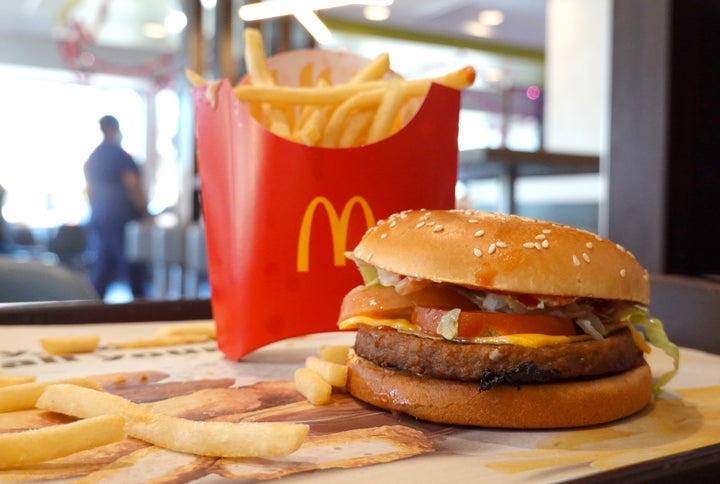
Actor Jessica Biel stated that her kids do not get McDonald’s, preferring to pay more for fancier meals. Her comments highlight a common concern among parents: is McDonald’s a good option for children?
Many parents fear that providing fast food might make them appear as bad parents or that the food itself is unhealthy. However, nutritionists offer a nuanced perspective, emphasizing that fast food has its place. Here, nine nutritionists discuss their views on allowing their kids to eat McDonald’s.
Home-Cooked Meals First
Rachel Trotta, a fitness nutrition specialist, emphasizes shaping healthy attitudes toward food rather than imposing strict rules. She cooks most meals at home but does not oppose fast food entirely. Her focus is on helping her daughter foster a healthy relationship with food, encouraging her to listen to her body.
Non-Judgmental Approach
Julia Cassidy, a dietitian, believes food should not carry moral judgment. She doesn’t label fast food as bad, allowing her sons to enjoy McDonald’s like any other meal. This approach promotes balance, reducing guilt, and avoiding disordered eating.
For Special Occasions
Megan Wroe, a registered dietitian, doesn’t completely ban any food but reserves fast food for special occasions. She focuses on home-cooked meals while acknowledging the practical need for occasional fast food.
Social Situations
Aliza Marogy, a nutritionist, rarely chooses McDonald’s for her child, except in social contexts. She emphasizes education on nutrient-dense foods and sometimes creates homemade alternatives to fast food.
“Social eating experiences are valuable for children’s development,” Marogy said.
Occasional Balanced Meals
Heidi McIndoo, a dietitian, allows McDonald’s occasionally, especially on road trips. She balances meals by incorporating healthier sides and discussing nutritional gaps with her kids.
Flexibility and Fun
Sarah Schlichter supports a flexible approach, acknowledging McDonald’s as a convenient option. She encourages adding nutrition to kids’ meals and viewing fast food as a simple, occasional choice.
Inclusive Food Approach
Nikki Fata argues all foods, including McDonald’s, can fit into a healthy diet. She appreciates fast food’s accessibility and convenience and stresses avoiding a mentality that views foods as off-limits.
Parental Preferences
Kristi Ruth allows her kids to eat McDonald’s only when someone else takes them. While she doesn’t prefer McDonald’s herself, she respects her children’s choices.
Social Gatherings
Yvette Hill is lenient with McDonald’s, especially during social events. She focuses on overall dietary balance, knowing occasional fast food doesn’t equate to an unhealthy diet.
In summary, nutritionists mostly agree that including McDonald’s in children’s diets while emphasizing balance and education can contribute to a positive relationship with food. Food choices are individual, and respecting different approaches is essential.
 Highlights from Recent News Stories
 DEA Dismantles First U.S. Large-Scale Nitazene Lab
 Trump Open to Bipartisan Health Care Plan with Democrats
 Ty Pennington’s View on Home Renovation and Health
 Detroit Boy in Critical Condition After Unsecured Firearm Incident
 Building Resilience Amid Stress and Uncertainty