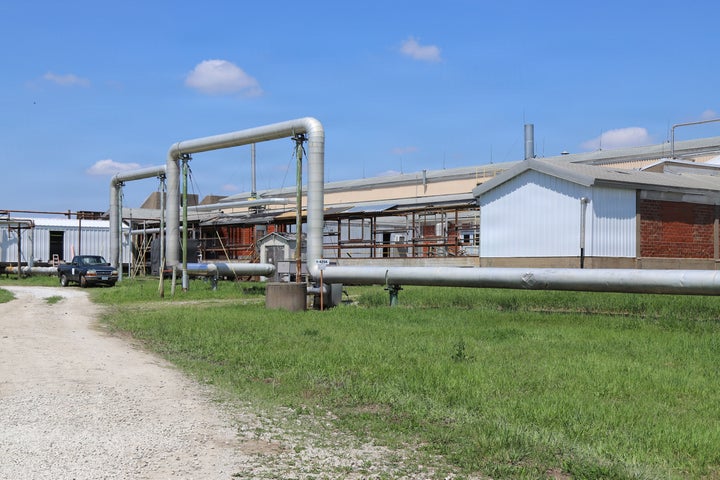
The U.S. Army has postponed the planned detonation of bomb-making chemicals in southeast Iowa due to widespread public concern about potential contamination from lead dust. Originally set for Friday, the detonation is now scheduled for Monday.
Iowa Governor Kim Reynolds joined those advocating for a delay. She communicated directly with Acting Secretary of the Army, Adam Telle, according to her office. Environmental groups sought emergency legal action, filing a lawsuit to halt the plan.
Unstable Chemical Situation
Earlier this year, several dozen barrels of lead azide at the Iowa Army Ammunition Plant were found to be highly unstable. This discovery led to the planning for detonation, supported by an emergency permit from the U.S. Environmental Protection Agency (EPA). Cold weather increases the risk of accidental detonation, making relocation unsafe.
“This will delay the detonation until the latest possible moment prior to a forecasted temperature drop,” Telle announced in a post.
Residents in Middletown were advised to vacate the area as precautions were taken. A public advisory on Sunday expanded the notification to communities up to 100 miles away. The EPA-required modeling assessed potential dispersion in the environment.
Impact on Local Community
Despite the delay announcement, schools and businesses had already planned closures. The closures include schools in Danville and Mediapolis, with officials deeming it prudent amidst the uncertainties.
Expected vibrations from the blasts could impact nearby structures. The resulting dust is anticipated to linger for about an hour. The Army stated that while lead levels may rise, they remain below levels that would necessitate protective action by the EPA.
Despite reassurances, residents voiced concerns on social media, questioning the sufficiency of clean-up measures.
Health and Safety Concerns
Lead is a neurological toxin harmful to the brain and other organs. High exposure can result in lead poisoning, while long-term low-level exposure particularly affects children’s development.
Local extension offices reported high demand for soil test kits from concerned residents. The potential contamination has raised fears about the safety of animals and gardens.
Exploration of Alternatives
Environmental groups argued that the EPA did not enforce enough consideration of safer detonation alternatives. EPA documents confirm that neutralizing the contents with other chemicals was reviewed. However, officials determined moving the drums was too hazardous due to heightened risk of accidental detonation.
Efforts to stop the detonation continue as residents and environmental groups push for further safety assessments.
 Highlights from Recent News Stories
 Lewis Pugh’s Swim Through Danger Highlights Strait of Hormuz Crisis
 Detroit Boy in Critical Condition After Unsecured Firearm Incident
 Building Resilience Amid Stress and Uncertainty
 How to Prepare for Aging Parents: Practical Steps for Families
 House Urged to Embrace Historic Permitting Reform