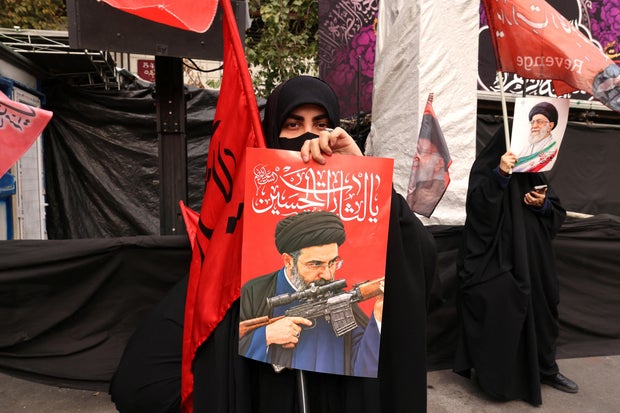
On Thursday, former President Donald Trump stated to an Israeli TV network that he is taking a cautious approach regarding decisions on Iran. He mentioned he might delay any action until 2027. Despite his comments, sources indicate that the U.S. and Israel are contemplating a new military operation against Iran due to concerns over Iran’s rapidly advancing weapons production capabilities.
Iran has dismissed Trump’s accusations about potentially developing chemical or biological weapons. The foreign ministry criticized these allegations as part of an ongoing and misleading narrative similar to the pretense used for the 2003 Iraq invasion.
U.S. and Israel’s Potential Strategies
Israel is reportedly prepared for renewed conflict, remaining in high defensive readiness to counter any initial Iranian attacks. While the Netanyahu administration prefers a joint military operation with the U.S., uncertainty remains about whether Trump will support new military actions and the form these should take. Nine months earlier, both nations initiated a war with Iran through extensive strikes on the nation.
Related Developments with Saudi Arabia
Meanwhile, the conflict between a Saudi-led coalition and Iran-backed Houthi rebels in Yemen has intensified. The coalition has warned civilians near the key port of Hodeidah to evacuate, suggesting possible forthcoming airstrikes. This comes amidst heightened regional tensions due to the war involving the U.S. and Israel.
The conflict is exacerbating the situation in Yemen, where Houthi authorities accused Saudi forces of fatal attacks on civilians, complicating the already dire humanitarian crisis.
Senate Vote on War Powers
A recent Senate vote reflected a lack of consensus on limiting Trump’s authority to act against Iran. Despite discontent, a resolution aimed at restricting military actions fell short. The vote illustrated division even within Republican ranks, showing some bipartisan opposition to the ongoing conflict.
The resolution, focused on removing U.S. forces from hostilities, would have carried symbolic weight had it passed, reflecting frustration over the economic impact and human costs of the war.
Trump’s Delay in Decision Making
In conversations with media outlets, Trump maintained that he is not hastening to make decisions about Iran and remains open to reassessing his approach early next year. He expressed confidence in the effectiveness of ongoing economic sanctions and suggested no immediate need for further strikes.
The geopolitical tension remains high, with various stakeholders watching closely for the next developments in this complex conflict.
 California Governor Faces Lawsuit Over Death Sentence Commutations
 Allegations of Anti-Jewish Discrimination at CUNY School
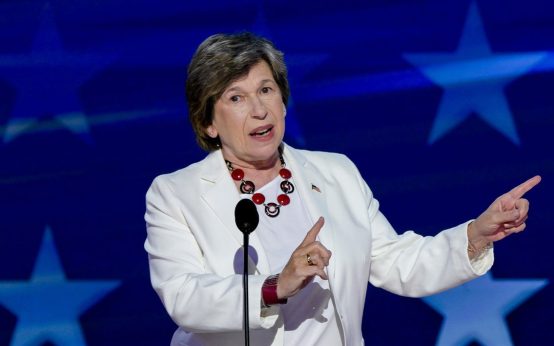 School Choice and the Texas Education Debate
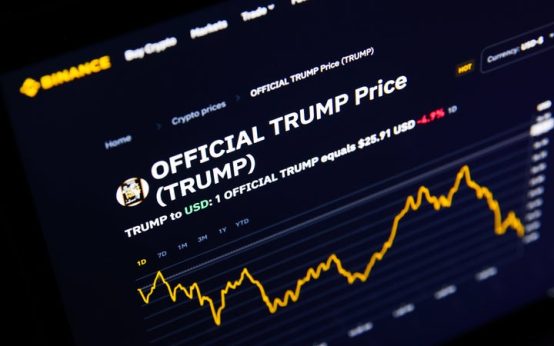 Trump’s Cryptocurrency Ventures and Their Impact on Supporters
 Amy Klobuchar’s Challenge as Minnesota Governor
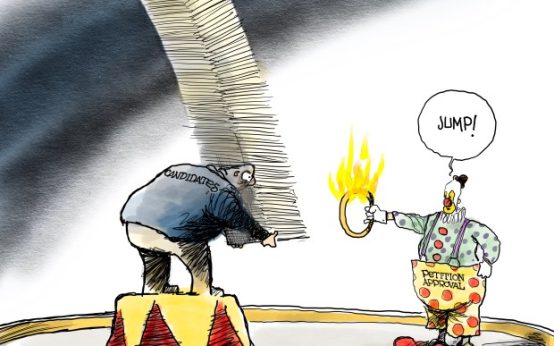 The Purpose and Challenges of Signature Collection for Political Candidates in Illinois