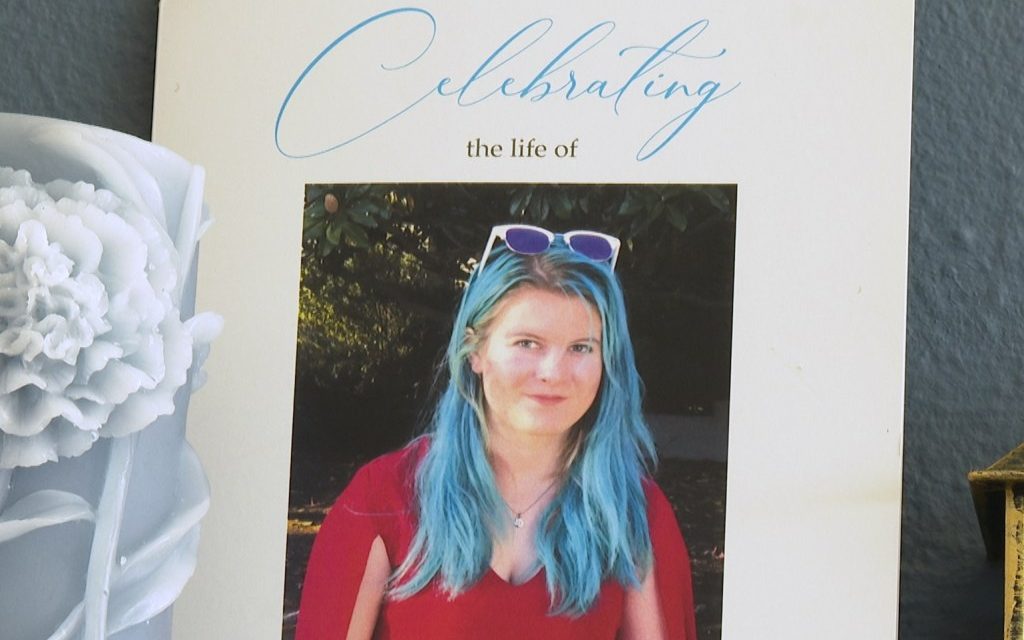
In August 2023, Luna Moore thought she was making a responsible choice by opting for an Uber ride. Along with her friend, Emily Normandin-Parker, they spent the final weeks of summer enjoying drinks at a bar in Southern California. Neither planned to drive afterward. However, as they traveled on the freeway, Moore started to feel unwell. She attributed this to the erratic driving behavior of their Uber driver, Vu Tran, who frequently swerved between lanes. Unable to find a bag, Moore opened the window and vomited.
A memorial service photo of Emily Normandin-Parker taken on September 18, 2026, in Seattle.
Rather than stopping at a safe location, Tran halted the car on a triangular section of pavement separating the freeway from an exit ramp. He ordered the women out and demanded a $300 cleaning fee. Stranded on the roadside, Normandin-Parker sought help on foot. Meanwhile, Tran obstructed Moore from following her friend. Moore noted Tran stood between them, yelling aggressively. In a bid to calm him, she jotted down Tran’s payment details.
Tragically, during this delay, Normandin-Parker entered the traffic and was fatally struck by another vehicle. She was only 23. In the years that ensued, Moore endured the profound loss of her friend while revisiting harrowing personal experiences. Her testimony became central in a legal battle involving Uber and Tran. Emily’s parents pursued wrongful death claims, while Moore claimed damages as well. Moore experienced intrusive questioning during the legal proceedings, concerning her alcohol consumption, childhood medical records, attire on the night of the incident, and experiences with sexual abuse from when she was 16.
Uber, denying direct involvement in Moore’s questioning, blamed Tran’s independently retained lawyers. However, deposition transcripts suggest Uber’s attorneys explored Moore’s mental health and medication funding. This type of questioning isn’t isolated. Attorneys challenging Uber note demanding medical records or personal histories, undermining plaintiffs’ credibility, can deter legal pursuits.
Ken Parker and Carol Normandin, Emily’s parents, rejected a proposed confidentiality agreement from Uber regarding the $40 million settlement and chose transparency over silence.
Legal experts recognize defendants’ rights to investigate factors contributing to compensation claims. However, excessive probing during discovery can transform into burdensome fishing expeditions on plaintiffs.
Despite Moore’s awarded $300,000 civil arbitration payment, the emotional toll remains immense. She undergoes regular therapy for PTSD since the incident. Moore’s deposition recalled Uber attorneys focusing excessively on her attire and testing her memory regarding childhood medication. This was in addition to revisiting traumatic sexual assault details from her youth.
Critics argue that Uber’s practices aim to exhaust plaintiffs emotionally and financially. They point to the company’s approach in sexual assault cases, where survivors’ personal histories are scrutinously examined. Uber maintains its stance on rigorous evidence examination, denying allegations of intimidation.
Throughout this ordeal, Moore’s determination to pursue justice stems from her bond with Emily. She desisted from drinking, moved into her apartment, and pursued a creative career, driven by a desire to honor Emily’s memory. Her aim is to support similar victims impacted by Uber’s legal tactics.
“Whenever Uber’s legal team attempted to deter me, I felt the urge to persist,” Moore remarked, emphasizing her resolve to withstand the challenges.
 Reflections on Relationships and Marriage
 Tony Shalhoub on Family, Food, and Films
 Tony Hawk: From Early Struggles to Skateboarding Icon
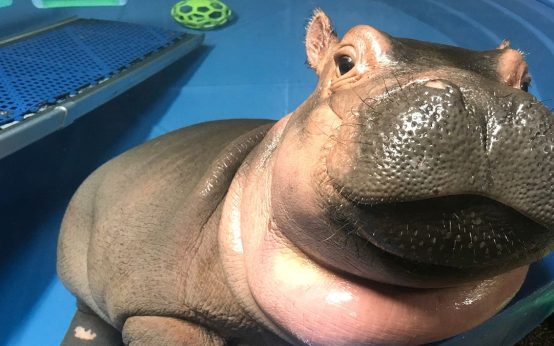 The Life and Legacy of Cincinnati’s Beloved Hippo Fiona
 Thanksgiving Conversations: Navigating Politics and Maintaining Relationships
 Supporting Their Dad: The Kelce Family’s Journey