
Seoul, South Korea (AP) — Starbucks’ operation in South Korea announced on Monday a decision to close all of its stores nationwide early on June 22. This closure aims to facilitate mandatory training sessions focused on history and social sensitivity. It follows the backlash from a recent marketing campaign perceived as disrespectful to victims of a military crackdown in 1980.
Shinsegae Group, which holds a 67.5% ownership in Starbucks Korea, stated that executives and employees from Starbucks Korea’s headquarters will take part in the training. History and sociology professors will lead these sessions on Wednesday. Additionally, all Starbucks locations in South Korea will shut their doors at 3 p.m. next Monday, allowing employees to view a recorded version of the training, according to a statement from Shinsegae.
The controversy began when the coffee chain attempted to advertise stainless-steel tumblers named “SS Tank.” They named May 18 as “Tank Day,” coinciding with the anniversary of the 1980 pro-democracy uprising in Gwangju. This uprising was brutally suppressed by the South Korean government, which used military force, including troops, tanks, and helicopters. The campaign’s slogan, “Thwack it on the table!” exacerbated the situation, as many believed it referenced a misleading 1987 police statement regarding the torture death of student activist Park Jong-chol. Authorities had wrongly claimed Park died after investigators “hit the desk with a thwack.”
With immediate backlash against the promotion, Shinsegae swiftly discontinued the campaign and dismissed Starbucks Korea’s chief executive. Shinsegae Chairman Chung Yong-jin issued a public apology on national television as police began investigations spurred by complaints from victims’ families related to the Gwangju suppression. Chung will also undergo separate training alongside Shinsegae affiliates’ chief executives on June 24.
Shinsegae emphasized that closing Starbucks stores early marks the first occurrence since the chain’s inception in South Korea in 1999. The company insists this reflects their serious attitude towards the marketing controversy and commitment to preventing similar incidents in the future.
The Gwangju crackdown followed General Chun Doo-hwan’s rise to power through a coup in late 1979. Although official records state around 200 deaths occurred in Gwangju, activists argue the death toll was significantly higher. Chun’s authoritarian rule incited widespread public dissent, leading to national protests in 1987. This resulted in Chun agreeing to constitutional changes that introduced direct presidential elections, considered the foundation of South Korea’s democratic shift.
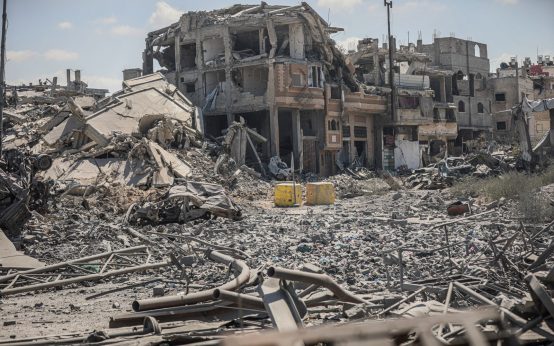 Google Earth Images Reveal Destruction in Gaza
 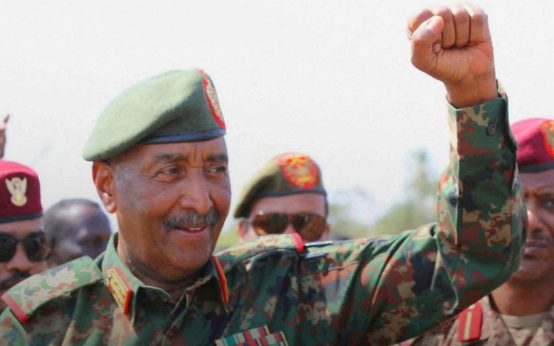 Sudan Defies U.S. Ceasefire Amid Visa Dispute
 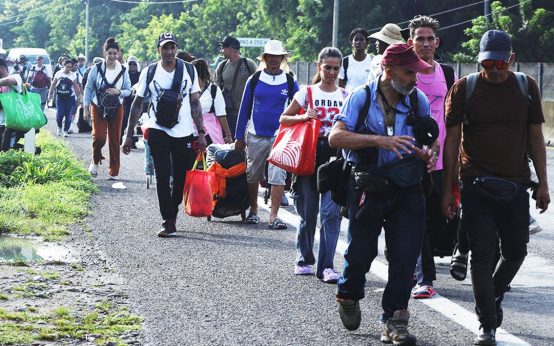 DHS Warns Migrant Caravan Heading to U.S.-Mexico Border
  Adam Brody and Hollywood’s Political Climate
  International and Domestic Investigations Unfold
  Counterpressure, Not Concessions, Crucial for Russia-Ukraine Conflict