
Recent wildfires have torched 40,000 acres and destroyed countless structures throughout Los Angeles. In response, California is investing billions to brace for the next wildfire season. Governor Gavin Newsom’s office declared the state ready, citing CAL FIRE’s expanded leadership and the addition of a C-130 air tanker to its arsenal.
Enhancing CAL FIRE’s Capabilities
Linnea Edmeier, CAL FIRE’s Aviation Communications Officer, shared with Newsweek that the agency has repurposed military air tankers. Five out of seven tankers have been equipped to carry greater fire retardant quantities. This boosts CAL FIRE’s mission of limiting 95 percent of fires to 10 acres or smaller.
Since 2019, over $5 billion has been funneled into wildfire and forest resilience efforts. Newsweek sought comments from Newsom’s office but received no response before this article’s release.
Wildfires Intensifying Due to Climate Change
Experts attribute prolonged, earlier, and deadlier wildfire seasons to climate change. Research from the University of California, Irvine, reveals a dramatic increase in fire severity over recent decades, compared to data from 1920 to 1999.
The Impact of 2025 Wildfires
The Los Angeles Regional Fire Safe Council reports intensifying wildfire impacts each year, particularly in Los Angeles County. Santa Ana winds and drought fueled devastating fires last year. The Palisades Fire, allegedly started by Jonathan Rinderknecht, resulted in 12 fatalities and 23,000 acres burned. Lawsuits claim Southern California Edison equipment sparked these fires.
Post-fire recovery efforts include executive orders by Newsom and lobbying for $13 billion in federal aid.
Investments in Wildfire Preparedness
California’s budget allocates $447 million for climate and wildfire programs through 2027. This contributes to $930 million from Proposition 4’s wildfire resilience funds, representing 61 percent of the bond’s funding. CAL FIRE’s budget stands at $5.3 billion, with $2.2 billion from the general fund, supporting 14,044 positions and prioritizing wildfire response.
The administration recognizes the impact of climate change and historical underinvestment in forest health. Enhancing resources helps address staffing and personnel retention issues. CAL FIRE’s reports indicate 6,580 fires over 10 acres so far this year, with 339,000 acres burned, compared to 8,232 fires and 507,817 acres last year.
As future conditions grow drier and hotter, state leaders remain committed to substantial funding, aiming to tackle upcoming wildfire challenges.
 Highlights from Recent News Stories
 Lewis Pugh’s Swim Through Danger Highlights Strait of Hormuz Crisis
 House Urged to Embrace Historic Permitting Reform
 Snowstorm Brings Relief to Sierra Nevada Ski Resorts
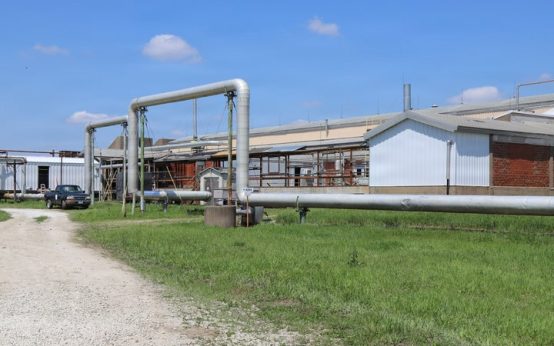 U.S. Army Postpones Chemical Detonation in Iowa Amid Public Concerns
 Efforts to Restore Areas Damaged by Hurricane Helene Using Biltmore Estate Acorns