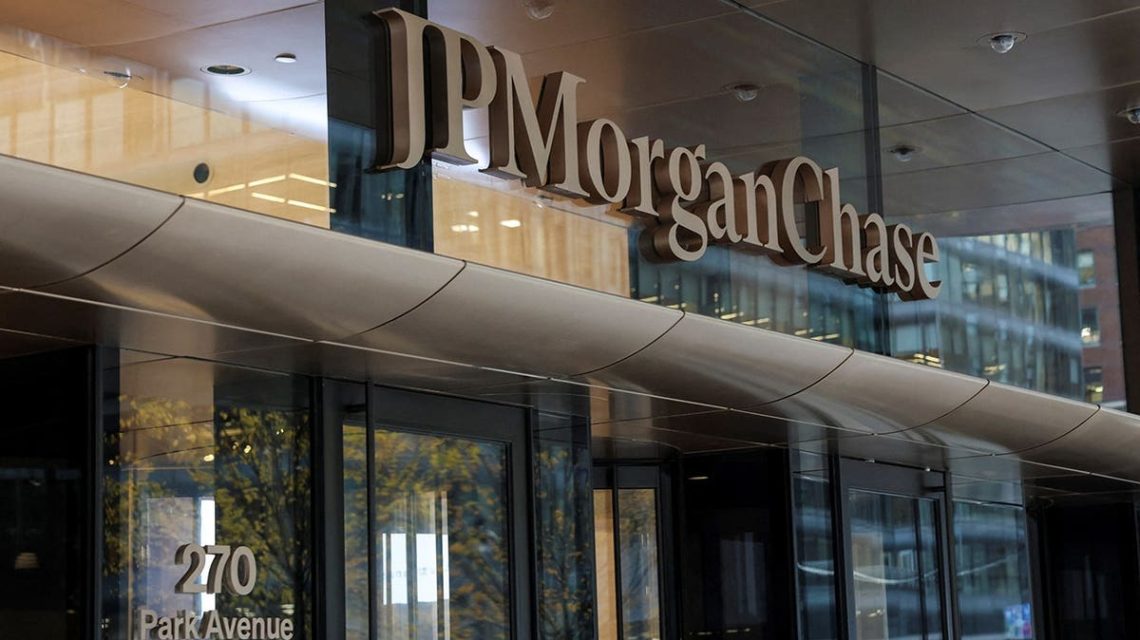
Morgan Wright, a former State Department antiterror advisor, discusses a major cybersecurity breach affecting Chase, Visa, and Mastercard. He explains how customer data was exposed and offers crucial safety measures to protect financial information during this global technology turmoil.
Data Leak Details
On November 19, 2026, hackers leaked data linked to customers of these three companies. Third-party providers working with the financial firms were affected, creating uncertainty about the data accessed by hackers.
Company Responses
JPMorgan Chase
JPMorgan Chase confirmed attacks on third-party service providers. A spokesperson stated that attackers accessed marketing data, potentially including customer names and email addresses. The bank’s services remain operational. They are contacting affected customers and offering credit monitoring.
According to Reuters, leaked records showed more than 16,000 customer email addresses and several employee details. Banking services remained unaffected.
Mastercard
Mastercard acknowledged exposure of a limited number of email addresses through an outside provider. No payment information was compromised. They are working with the provider to assist cardholders.
Visa
Visa reported an incident with a third-party provider in Asia-Pacific. No payments data were compromised. The company didn’t reveal customer numbers affected or specifics on non-payment data exposed.
Potential Risks
Although banking passwords and funds weren’t verified as impacted, stolen details can help criminals craft convincing phishing scams. These could mimic bank activities using real customer data.
Protection Measures
- Watch for fake security alerts. Avoid clicking links in suspicious messages. Use your bank’s official channels for contact.
- Never share verification codes with unknown contacts.
- Enable account alerts to monitor unusual activity.
- Strengthen passwords and use a password manager.
- Look out for breach notifications from your bank.
- Consider freezing credit if sensitive data is exposed.
- Limit publicly available personal info.
- Act quickly if you respond to suspicious messages.
Conclusion
Understanding which third-party companies have access to personal data is crucial. While payment services remain functional, clarity about affected vendors and specifics on customer data remain limited. Close attention to unsolicited messages claiming to be from financial institutions is advised.
 Federal Agencies Face Cybersecurity Challenges
 FBI’s Crime Database Faces Hacking Threat
 AI Empowers Hackers and Challenges Defenders
 NSA Restores Operations After Prolonged Outage
 Americans on Alert: AI-Driven Scams on the Rise
 National Cyber Director Sean Cairncross Replaced Amid Cybersecurity Concerns