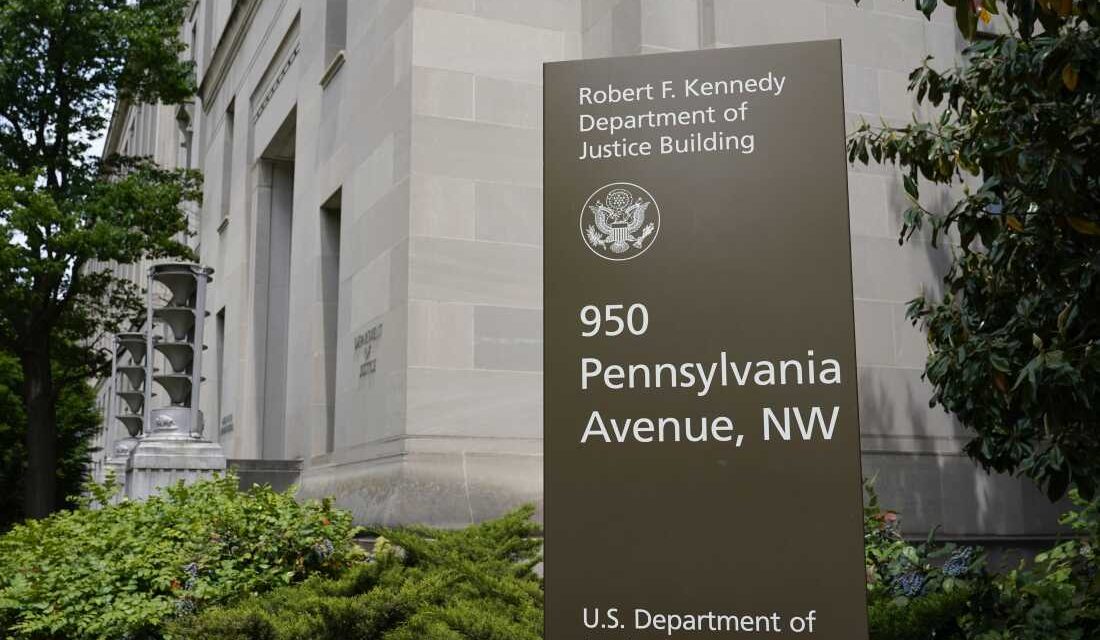
The Justice Department has released a memo that has raised concerns among disability advocates, families, and experts. This memo, issued by the Office of Legal Counsel, questions longstanding civil rights protections for Americans with disabilities. Specifically, it argues that states do not have to provide in-home or community-based care for people with disabilities who require support. These services have allowed many disabled Americans to continue living, learning, and working within their communities.
Community Living Impact
Alison Barkoff, a health law professor at George Washington University, emphasized the significance of this change, stating, “It is now the position of the United States government that people with disabilities don’t have a right to be part of their communities.” The concern is that, without federal enforcement, states facing budget constraints might cut these services, leading to a return of institutionalization practices.
The American Association of People with Disabilities expressed strong opposition. They warned the memo threatens to reverse progress made toward community living for disabled individuals. Shira Wakschlag, representing The Arc of the United States, echoed the sentiment, insisting people should not be forced into institutions due to a lack of state-provided community services.
Historical Context and Legal Concerns
This shift challenges what legal experts consider settled law. The Rehabilitation Act’s Section 504 and the Americans with Disabilities Act’s Title II traditionally mandate that states offer services in the most integrated setting. Institutionalization should be a last option. A pivotal Supreme Court case in 1999, Olmstead v. L.C., reinforced states’ legal duty to support community integration.
The new memo, written by Lanora Pettit from the Justice Department, argues federal law does not include an “integration mandate.” While acknowledging this view differs from federal court interpretations, the memo maintains previous institutionalization requirements were misjudged.
Consequences and Concerns
Jennifer Mathis from the Bazelon Center for Mental Health Law stressed how institutional settings threaten personal liberty. The memo appears to signal acceptance of reverting to institutional care despite its higher costs compared to community services.
The memo coincides with Texas v. Kennedy, a fresh challenge to integration mandates. The federal government backing this memo aligns it with plaintiffs challenging community service requirements. However, the Justice Department’s memo is not legally binding; only Congress can make laws.
Broader Implications and Political Context
The memo is part of broader efforts initiated by a 2025 executive order from President Trump emphasizing institutionalization for homeless individuals. This reflects a campaign promise to reinstate mental institutions. Conservatives, including the Cicero Institute, advocate for stringent homelessness policies.
A major legal obstacle to institutionalization is federal disability law, which mandates community-based services when appropriate. Barkoff counteracts claims that these laws worsen homelessness, arguing Olmstead has been vital in providing services to homeless individuals.
Simultaneously, deep cuts to Medicaid—funding crucial community services—pose further challenges. The Justice Department’s memo suggests states can opt for institutionalization despite research showing it is costlier.
These developments occur alongside a Trump administration proposal to transfer special education program administration from the Department of Education to the Department of Health and Human Services, raising fears over civil rights protection enforcement rollback.
 Trump Delivers Warning to Iran, Cuba at UN General Assembly
  Trump Delivers Stern UN Speech on Iran, AI, and Global Security
  Lukashenko and Putin’s Unique Relationship and Belarus’ Strategic Role
  Harris Discusses Potential 2028 Presidential Run
  Far-Left Groups Allegedly Organize Protests in Austin
  Michigan Senate Nominee Abdul El-Sayed Criticized for Remarks on Reproductive Rights