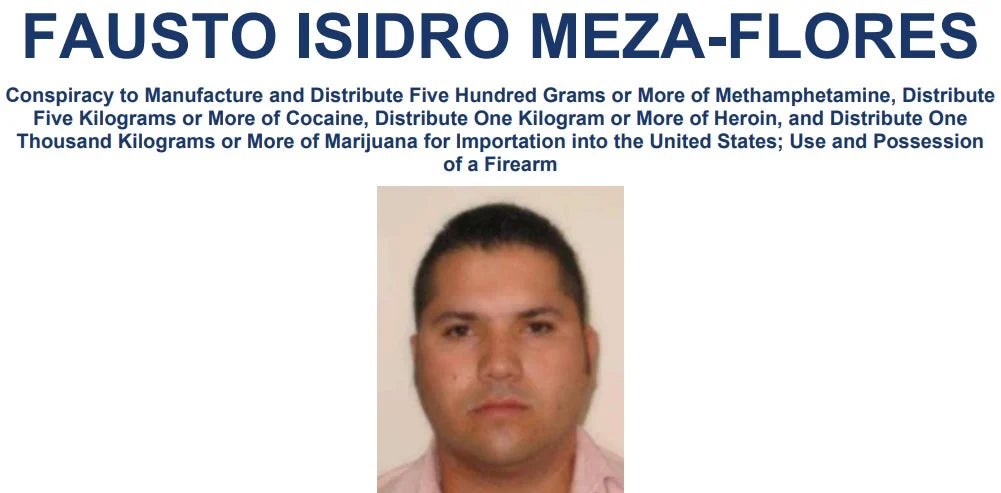
The capture of cartel boss Fausto Isidro Meza Flores, known as “El Chapo Isidro,” resulted in heavy gunfire, helicopters, and burning trucks in Sinaloa, Mexico. At least 11 people died in the operation. Meza Flores, one of the FBI’s top fugitives, was taken into custody and transported to Mexico City.
According to Mexico’s Defense Ministry, the deadly operation in the city of Guasave saw seven suspected cartel gunmen and four Mexican soldiers killed. Meza Flores rose through cartel ranks to lead the Beltrán Leyva cartel and later created his own group, the Meza-Flores Transnational Criminal Organization. The United States had offered a $5 million reward for information leading to his arrest due to his drug trafficking activities and illegal possession of firearms.
Authorities reported that intelligence from the US under the Trump administration was crucial to Meza Flores’ capture. However, specific details on the cooperation between Mexico and the US in apprehending him were limited.
Fausto Isidro Meza Flores aka “El Chapo Isidro”
He was an ally to “Los Mayos,” a Sinaloa Cartel faction designated a foreign terrorist organization by the Trump administration. His detention dealt a significant blow to the cartel amid its internal power struggles.
Reactions from both the US and Mexican authorities hailed the arrest as a security achievement. US President Donald Trump had been urging Mexico to tackle criminal organizations. Despite celebrations, experts warned that targeting specific cartel leaders could lead to additional violence due to ensuing power vacuums.
During the operation in Guasave, military helicopters and drones targeted key locations. Videos captured the ensuing chaos, with civilians fleeing gunfire at a baseball game, and burning cars and businesses while helicopters engaged.
Mexican authorities used surprise tactics to detain Meza Flores, surrounding the building he occupied. Despite facing gun and explosive attacks from cartel operatives, Mexican forces successfully arrested him. A total of eight people, including Meza Flores, were held.
The violence resulting from the operation delayed Meza Flores’ extraction from Guasave until early Saturday. An anonymous federal official described the cartel’s intense response, noting at least 10 roadblocks and burning vehicles in the city streets.
Guasave resident and firefighter Paola Sánchez described the terror civilians endured as they sought refuge amid the violence. She noted significant damage to businesses and vehicles, with firefighters remaining in their station until it was safe to venture out.
The situation settled into a tense calm the next day. Mexican Security Secretary Omar García Harfuch confirmed that armed forces would continue their deployment in the region to protect civilians. Four soldiers lost their lives in the operation, and burned trucks obstructed roadways.
Meza Flores’ capture elicited both celebration and warnings. His detention signifies another high-profile cartel leader arrest under Mexican President Claudia Sheinbaum, pressured by the US to crack down on illegal groups. Sheinbaum’s administration has shown more aggression against cartels, with a drop in homicides seen during her tenure.
The capture was commended by both US and Mexican officials. US Ambassador Ronald Johnson expressed commitment to ongoing cooperation in tackling cartel operations.
Security analysts warned about the potential for increased violence due to the longstanding strategy focusing on arresting cartel heads while failing to dismantle their entire networks. The power struggle in places like Sinaloa often sees violent fallout as a result.
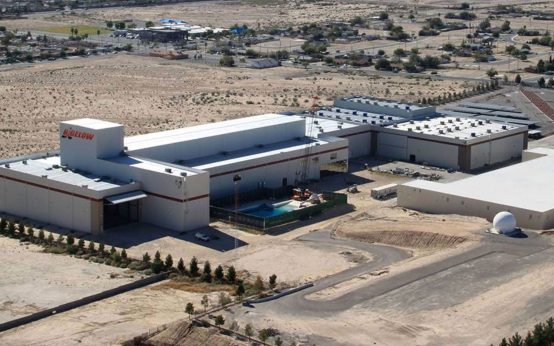 Pentagon Releases Declassified UFO Files with Intriguing Plans and Reports
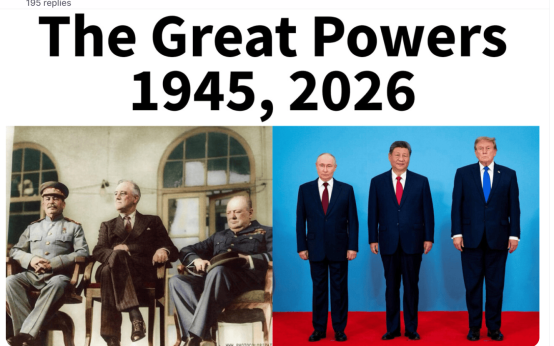 Trump, Xi, and Putin’s Shenzhen Meeting Echoes Historic Yalta Conference
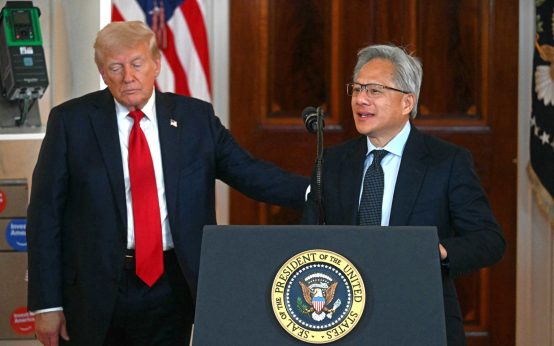 Trump Urges Nvidia to Reinstate Huang Amid Controversy
 Canada and China Strengthen Trade Relations Amid U.S. Tensions
 Countering China Without Neglecting the Rohingya
 Unveiling Bigfoot: Government Documents Shed Light on Folklore