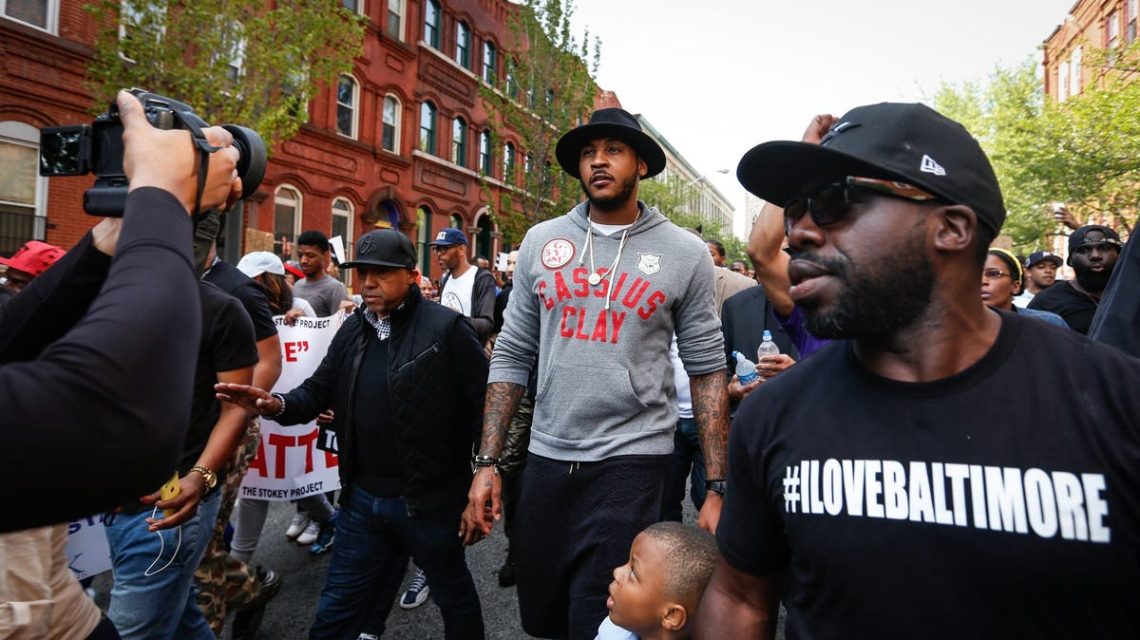
NBA veteran and Baltimore native, Carmelo Anthony, shows strong affection for his city. This became clear in his lengthy Instagram post criticizing Ravens’ cornerback Marlon Humphrey. Humphrey, a former first-round pick, made a controversial joke about Baltimore, calling it “best at making criminals,” which Anthony viewed as dismissive of the city’s challenges.
Anthony’s connection to Baltimore is personal. Growing up in West Baltimore, he witnessed the city’s difficulties firsthand. The pride he holds for Baltimore is undeniable, but some argue his response to Humphrey leans towards virtue signaling. Protecting one’s hometown is natural, yet there’s a line between defending and ignoring its issues.
In a past event, Anthony, then a Knicks player, joined a protest in Baltimore after Freddie Gray’s 2015 death. Gray, 25, suffered a fatal spinal injury in police custody. This incident highlighted Baltimore’s longstanding issues with crime and police relations.
Humphrey’s Statement and Its Fallout
Humphrey’s joke went viral, leading to his apology and deactivation for a game against the Carolina Panthers. “I’ve spent my career here, built a family here,” Humphrey expressed. These statements, alongside his past community involvement, didn’t seem to suffice for Anthony.
“Baltimore is more than a talking point. It’s my blood,” Anthony stated. He highlighted losing friends to crime and witnessing Baltimore’s social issues. He questioned why Humphrey, acknowledging Baltimore’s struggles, characterized the city as crime-laden.
Baltimore’s Crime Statistics
Data from Security.org shows Baltimore ranked fifth in violent crime and sixth in overall crime among America’s largest cities in 2025. With about 1,347 violent crimes per 100,000 residents, Baltimore faces significant challenges. While crime rates have dropped, Baltimore’s crime statistics are a reality that can’t be ignored for the safety of its residents.
Humphrey’s comments, some argue, reflect a candid view of the city’s circumstance. Criticism of Baltimore shouldn’t ignore its progress, but it must recognize ongoing issues.
Debate Over Representation and Reality
Anthony accepted Humphrey’s apology, stating “Apologies don’t build anything. Presence does.” He implied Humphrey must truly engage with Baltimore beyond football. This sentiment, some believe, positions Anthony’s criticism more as a call for genuine involvement than mere words.
Anthony pointed to boxing champion Gervonta “Tank” Davis as Baltimore’s success story. Yet, Davis’ criminal record complicates this narrative. His legal troubles demonstrate both the city’s talent and its darker sides.
Anthony’s past, too, invites scrutiny. In 2004, he faced a marijuana possession charge, later dropped. He appeared in the Stop Snitchin’ video, promoting a troubling anti-cooperation message with law enforcement. These episodes shaped Anthony’s understanding of Baltimore’s challenges.
A City’s Struggle and the Role of Public Figures
Critics assert Baltimore needs more than celebrity outrage. The city’s crime rates, not Humphrey’s words, deserve primary attention. Many believe Baltimore requires investment, safety, and genuine accountability, not distractions over an athlete’s remarks.
In conclusion, Anthony’s defense of Baltimore signals his deep connection, yet some question its implications on the city’s ongoing discussion about crime. The key issue remains: how to effectively address and remediate the challenges its residents face daily.
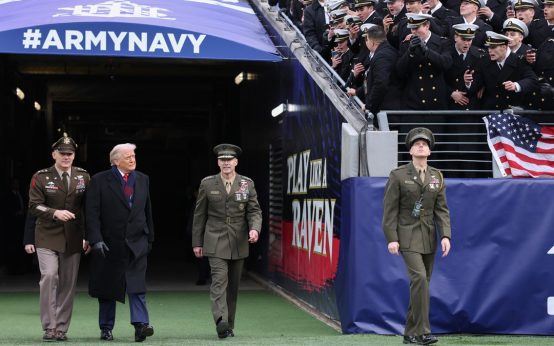 Reviving the Spirit of the Army-Navy Rivalry
 Thanksgiving Remembrance: A Family’s Tribute to NYPD Detective Wenjian Liu
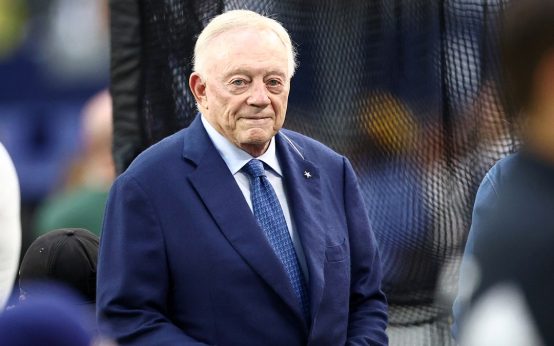 Dallas Cowboys Owner Responds to Fan’s Death Incident During Game
 Developments in Bar-tailed Godwit’s Migration, Trump-Cornyn Dispute, and Measles Resurgence
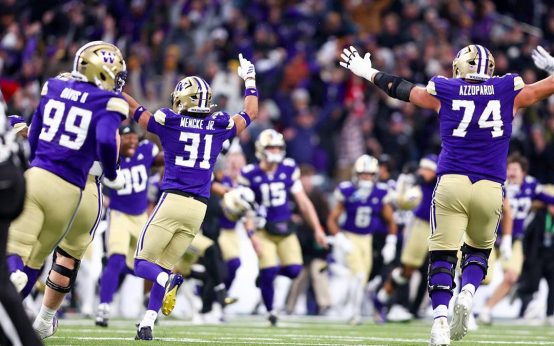 Washington Upsets Indiana in Overtime Thriller
 Georgia Bulldogs Dominate South Carolina to Secure Top Spot