
Democracy Dies in Darkness suggests exploring the unexpected perspectives emerging among political groups concerning environmental policies. The intricacies of climate opinion often defy the straightforward division of party labels. For instance, a scenario where a young Republican supports the adoption of solar power but opposes a carbon tax raises intriguing questions about individual beliefs.
Similarly, observing two Democrats who both recognize the reality of climate change, yet disagree over a policy imposing higher charges on households exceeding a certain energy consumption threshold, highlights the diverse approaches within the same party. Such examples stress that political affiliation does not always predict attitudes toward environmental measures.
The Conversation, a respected independent news organization, offers insights by integrating information from researchers and scientists. This approach aids readers in navigating the complexities present in contemporary world issues, emphasizing that climate opinions are not monolithic even within political circles.
 Sensitive Discussions During Trump’s National Archives Visit with Xi Jinping
  Zohran Mamdani’s Child Care Initiatives May Influence Other Leaders
  Ted Cruz Leads College Athletics Regulation Overhaul
 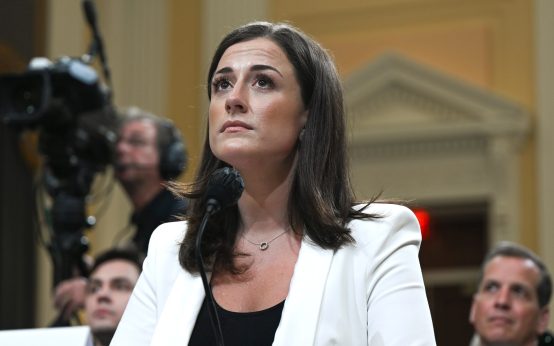 DOJ Investigates Former Trump Aide Amid Defamation Suit
 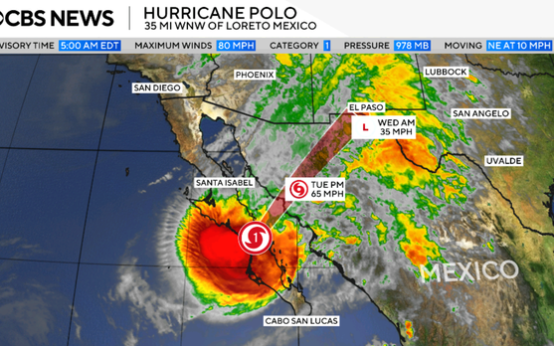 Hurricane Polo Poses Flood Threat as It Approaches Southwestern U.S.
 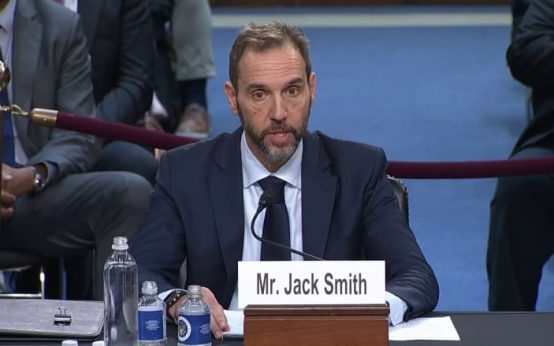 Key Developments from Today’s News