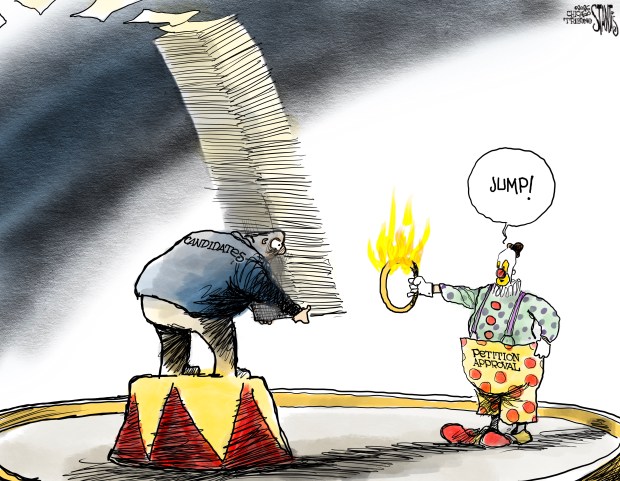
In Illinois, political candidates must acquire thousands of signatures to run for office. This process acts as a measure of serious intent, discouraging frivolous candidacies and confirming at least some genuine support. When voters encounter signature collectors, they consider whether the candidate should appear on the ballot, beyond personal voting intentions.
The democratic process demands voters evaluate whether a candidate contributes meaningfully to the election, not adds confusion by cluttering the ballot. As an example, issues like those with Daniel J. Sullivan in Alaska illustrate how unnecessary names can mislead voters.
Given this, signing petitions for multiple candidates poses no ethical conflict. However, Illinois law permits only the first signature a voter provides in deciding ballot positions, limiting options in elections like the Chicago mayoral race. The balance lies between preventing overwhelming ballots and ensuring the willingness to run remains accessible.
This issue surfaces in debates surrounding current Chicago Mayor Brandon Johnson’s effort to secure 12,500 signatures amid challenges from his rival, Willie Wilson. Sources have reported questionable validity on some of Johnson’s signatures, citing photocopies and outdated submissions. Despite the controversy, Johnson’s campaign insists it will meet signature requirements, affirming his place on the ballot.
The disparity in signature goals between independent and major party candidates highlights the challenge. Former Alderman Byron Sigcho-Lopez faced removal from the ballot due to insufficient signatures, pointing to organized opposition tactics. His case reflects broader concerns about fairness.
Collecting signatures often involves financial investments. The nostalgic volunteer-driven campaign is less common, replaced by paid tactics. Reports indicate significant expenditures to secure signatures and buffer against inevitable challenges. Candidates backed by affluent supporters, such as billionaires, may afford higher payouts for signatures, gaining an edge.
This shift implies wealth influences electoral opportunities. Campaigns report paying $10 or more per signature in recent elections. Money enables campaigns to safeguard their eligibility by ensuring surplus signatures, while less wealthy contenders remain vulnerable.
Adjustments to signature collection regulations are necessary. Possible reforms include digital collection, allowing signatures on multiple petitions, reducing required numbers, especially for independents, and ensuring fair access to the ballot.
 Amy Klobuchar’s Challenge as Minnesota Governor
 Gray Wolves Stir Controversy Over Wildlife Management
 Trump’s Push for Bipartisanship with Democrats
 Highlights from Recent News Stories
 Former Press Secretary Criticizes GOP’s Election Strategies
 Trump and Cornyn Clash Over Judicial Nomination