
A lawsuit challenging California Governor Gavin Newsom’s decision to commute 548 death sentences to life imprisonment is sparking debate on his use of clemency powers. Legal experts argue Newsom’s actions might bypass voter decisions against abolishing the death penalty.
Newsom announced plans to commute death row sentences to life without parole. However, this change depends on completing certain legal steps. The Criminal Justice Legal Foundation (CJLF) filed a lawsuit with the California Supreme Court to block these commutations. They claim Newsom failed to notify district attorneys and victims’ families, violating their rights to be informed and heard.
Zack Smith from the Heritage Foundation suggests that Newsom might be using his clemency power to override voters’ will. California’s death penalty remains legal despite past voter rejections of abolition efforts. Smith notes that the California Supreme Court’s decision will hinge on state law specifics and whether repeat offenders need court approval before sentence reductions.
The lawsuit claims Newsom improperly asserted his power over clemency, ignored legislative requirements for oversight, and bypassed input from the Board of Parole Hearings. CJLF seeks a court order to halt commutations until the case is resolved.
Anne Marie Schubert of CJLF emphasizes protecting victims’ rights and adhering to the rule of law, arguing mass commutations violate these principles. Law enforcement groups, victims’ advocates, and district attorneys, including Thien Ho from Sacramento, are part of the coalition against Newsom.
Among those on death row are infamous serial killers. Newsom’s proposed commutations disturb many as these inmates were judged deserving of death penalties by their peers for heinous crimes, including torture and sexual violence.
Under California’s Constitution, Newsom needs approval from four Supreme Court justices for inmates with multiple felony convictions. The Supreme Court is seeking input on commutations, with legal briefs due in November and Newsom’s response in December. Despite having broad clemency powers, Newsom must follow statutory procedures for individuals with multiple felonies.
Greg Totten, CEO of the California District Attorneys Association, criticizes the lack of prosecutor notification. He stresses the importance of ensuring victims’ voices are heard. Newsom’s commutations could become the largest in U.S. history, as noted by the Death Penalty Information Center.
Newsom had previously issued a moratorium on executions, maintaining existing death sentences. Governor-elect Xavier Becerra intends to continue this suspension, citing disproportionate impacts on minority communities and system flaws.
San Luis Obispo County District Attorney Dan Dow denounces Newsom’s actions as a misuse of power, arguing that they disregard victims’ families and undermine legal decisions made by juries and voters.
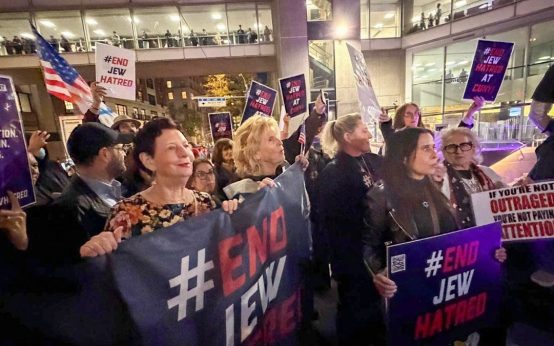 Allegations of Anti-Jewish Discrimination at CUNY School
 School Choice and the Texas Education Debate
 Trump’s Cryptocurrency Ventures and Their Impact on Supporters
 Amy Klobuchar’s Challenge as Minnesota Governor
 The Purpose and Challenges of Signature Collection for Political Candidates in Illinois
 Gray Wolves Stir Controversy Over Wildlife Management