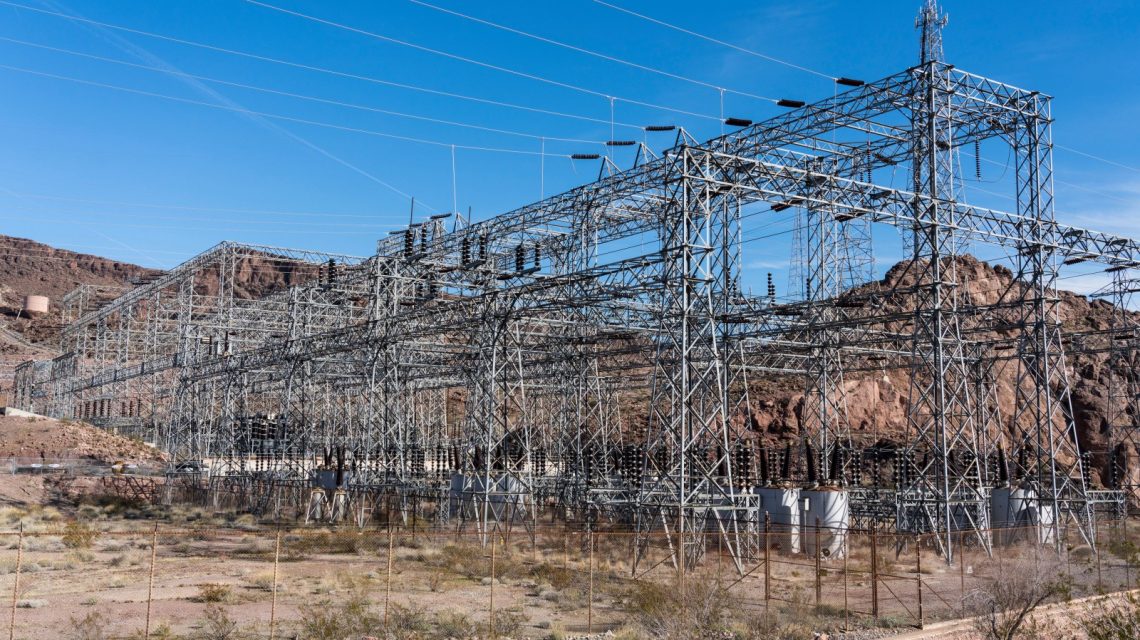
The U.S. power grid faces challenges with a looming shortage of transformers and essential equipment. According to Johns Hopkins University researchers, supplies could lag by 2027. By 2030, acute shortages may affect the grid.
Consequences of Shortages
A shortfall in key equipment may hinder the establishment of power plants, renewable projects, electric vehicle infrastructure, and AI data centers. Without enough transformers, connecting new electricity sources to the grid could be delayed.
This type of equipment was taken for granted, but without it, you can build a data center or a power plant but it won’t be powered because you cannot connect it to the grid,
said Yury Dvorkin, lead author.
Consumers might experience higher electric bills and power outages due to these bottlenecks. Dvorkin noted consumers would feel the impact through increased bills and decreased reliability.
Transformers in use are often decades old and near the end of their lifespan. He emphasized the critical role of transformers in the electricity supply chain, noting every unit of electricity passes through multiple transformers.
As renewables and battery storage grow, they also rely on converters. Utilities must outbid others for these components, impacting electricity costs. This situation burdens consumers with higher costs from both production and delivery.
Understanding Transformers
Transformers and converters move electricity across networks, ensuring safe delivery to homes and businesses. The study in Cell Reports Sustainability states that replacing transformers is challenging due to their custom-built nature and material requirements like steel and copper.
Lead times have risen from six months to over two years. In a high-demand scenario, the U.S. might face a nearly 15% transformer shortfall by 2030. Other grid equipment could see shortages up to 30%.
Rising Demand and Supply Issues
The U.S. is experiencing a demand rise for power, projected to increase by 21% by 2030. This growth is driven by data centers, which consume large electricity amounts. According to Lawrence Berkeley National Laboratory, data centers might use 12% of U.S. electricity by 2030.
International trade disruptions could exacerbate shortages. The U.S. relies on imports for copper, steel, and nickel needed for transformer construction. Experts stress the need for proactive planning to avoid these issues becoming barriers to electricity supply.
Maintaining existing transformers becomes costlier in a strained market, impacting parts, repairs, and maintenance. These expenses ultimately affect consumers. Unsatisfied transformer demand can also harm reliability.
Older transformers pushed past their service life fail more often. Replacement lead times have increased since 2022, and extreme weather stresses the system further. These factors could lead to more frequent and longer outages.
 Handling Identity Theft and Cybersecurity Breaches
 Protests Rise in Spain Against Data Center Expansion
 Lego Fortnite Supply Llama: A Tween’s Dream Gift with Huge Savings
 Jensen Huang’s Controversy Highlights Challenges for Corporate America
 Federal Agencies Face Cybersecurity Challenges
 FBI’s Crime Database Faces Hacking Threat