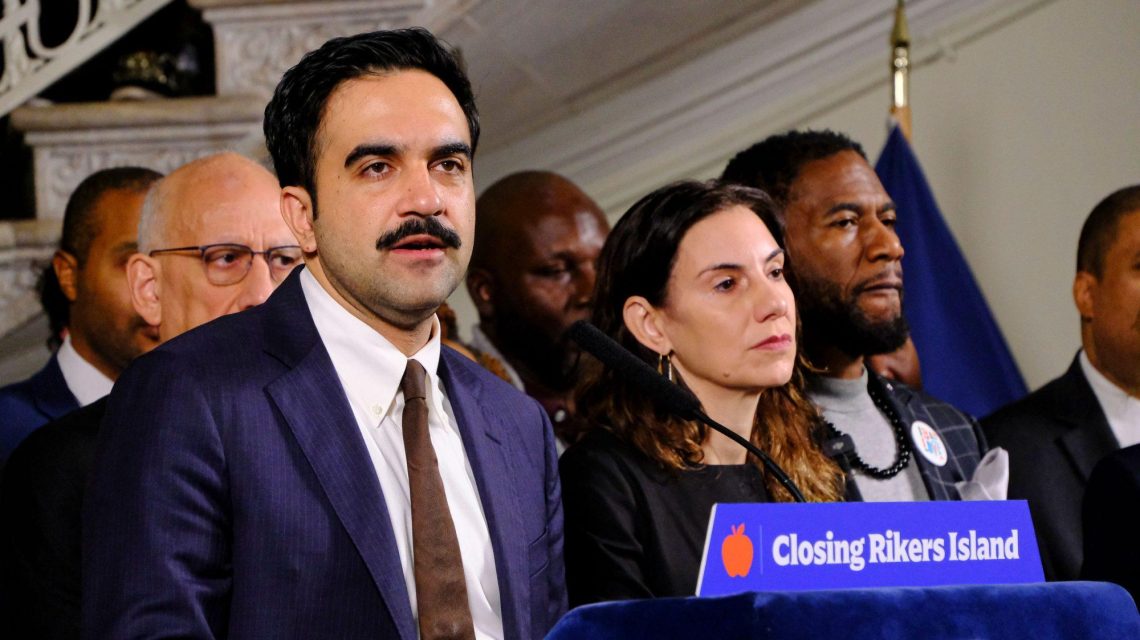
Mayor Zohran Mamdani recently announced a proposal to extend the deadline for closing Rikers Island in New York City from 2027 to 2032. The initiative aims to address certain legal hurdles tied to the closure timeline. By pushing back the deadline, the city hopes to align its plans with New York state’s Correction Law, which mandates that new facilities be designated or built before existing jails can be shut down.
However, concerns remain over a larger issue. The city plans to replace Rikers with four new jails that will collectively have a significantly reduced capacity compared to the current facilities. Rikers can accommodate around 15,000 inmates, while the new jails will only hold about 4,100. This drastic reduction is part of the broader ‘decarceration’ strategy that began with former Mayor Bill de Blasio and continues today. The city aims to downsize the jail system, driven by a shift away from incarceration.
State law requires local jails for the detention and confinement of individuals awaiting trial or serving sentences. The Penal and Criminal Procedure laws mandate judges to detain defendants prior to trial and allow sentencing in local facilities. If the new jails cannot house all those ordered into custody, the city faces potential legal consequences, including contempt of court. The correction officers’ union has also raised concerns over safety and inadequate capacity.
Despite these pressing issues, Mayor Mamdani has not prioritized increasing jail capacity. Instead, he has pledged $30 million for initiatives aimed at reducing re-arrests and formed a task force to shorten incarceration times before trial. These plans have so far failed to reduce the inmate headcount significantly. Average jail time increased from 87 days in 2025 to 116 days in 2026, highlighting the challenges in managing inmate numbers.
Jail populations fluctuate due to external factors like crime rates and judicial processes. Even if City Hall manages to reduce numbers to fit the new jails, any uptick could escalate into a crisis for the justice system. Adequate capacity isn’t an endorsement of Rikers or opposition to its closure. It’s a necessity for compliance with state law and ensuring a functional justice system.
Expert voices like Elizabeth Glazer, who planned the initial closure strategy, have criticized the lack of capacity as a critical failure. The city’s administration needs to address this issue to avoid violating judicial mandates and maintain public safety.
 Democrats Secure Largest House Majority Since 1992
 Union Certifications and the NLRB’s Role
 Meloni Rethinks Exit Tax Proposal Amid Strikes
 Democrats Secure Control of the House
 Trump Gives Unexpected Push to El-Sayed’s Universal Health Care Proposal
 Historic Wins for House Democrats in General Election