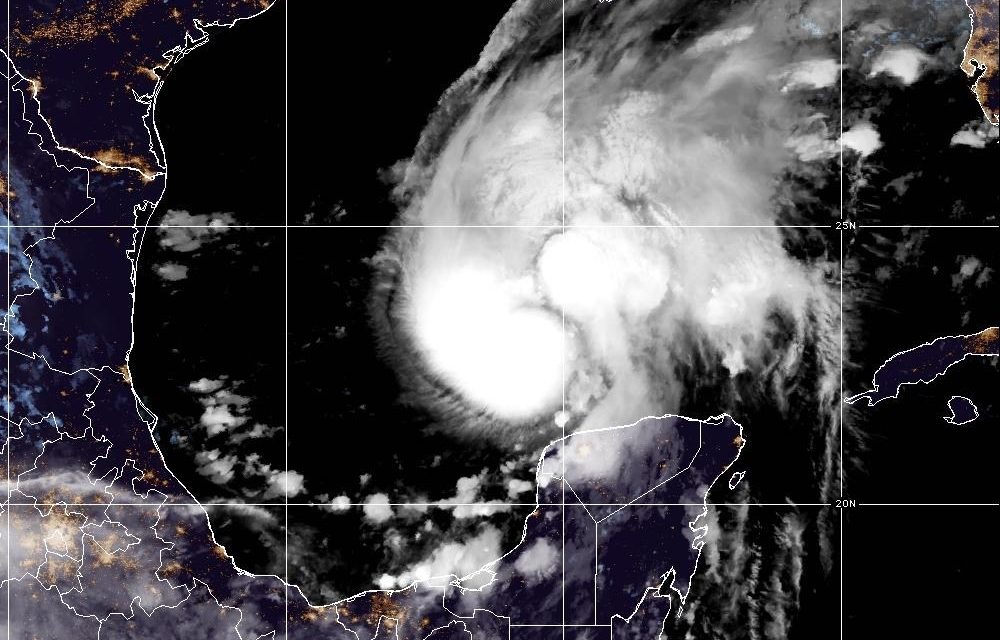
The National Oceanic and Atmospheric Administration (NOAA) announced an early conclusion to the 2026 Atlantic hurricane season. This decision came as this year’s El Niño emerged as one of the most significant on record, influencing activity in the Atlantic.
In a social media post, NOAA stated, “JUST IN: The 2026 #HurricaneSeason comes to an end. The Atlantic recorded 10 named storms, with only one, #Isaias, reaching major hurricane status. In contrast, the Eastern Pacific witnessed 20 named storms, 10 of which were hurricanes, and 8 became major hurricanes.”
NOAA’s Administrator, Neil Jacobs, noted, “Our forecasting capabilities provided early warnings essential for protecting lives and property. We accurately forecasted this year’s strong El Niño, giving us the insight needed for precise season predictions.”
The official hurricane season typically ends on November 30. However, NOAA’s early announcement caught the attention of meteorologists. Matt Devitt humorously commented, “NOAA’s social media director clearly will be on vacation for the rest of the month, as they signaled the season’s end prematurely.” Jeff Berardelli added, “The Atlantic Season was so quiet, NOAA might have applied the mercy rule.”
NOAA Satellites also remarked on the season, emphasizing El Niño’s significant impact. “This year’s El Niño was notably strong and dramatically influenced the Atlantic Basin, leaving the Atlantic relatively calm,” read a satellite service post. They shared a video highlighting major tropical cyclones and El Niño’s role in their development.
With 10 named storms, this season didn’t meet the average of 14, according to NOAA. Typically, seven of those become hurricanes, with three reaching major status. However, only Isaias became a hurricane this year.
Isaias formed on October 7 and struck near Destin, Florida, as a Category 2 hurricane. It caused storm surges, flooding, and wind damage across the Southeast. This timing marked it as the latest first hurricane since satellite records began in 1966.
Meanwhile, the Pacific experienced an exceptionally active season, surpassing the average of 15 storms. Of the 20 named storms, 10 became hurricanes, and 8 were classified as major. NOAA explained, “Polo was the most intense hurricane, following only Hurricane Patricia’s record pressure.”
The eastern and central Pacific experienced their most dynamic hurricane season based on Accumulated Cyclone Energy. As Thanksgiving approaches, El Niño may affect travel, with King Tides posing a flooding risk on the West Coast.
Jeff Berardelli also spotlighted the series of storms impacting Florida. He stated, “Florida faces continuous storms over 10 days, with 4 within 2 weeks. The powerful El Niño has increased storm activity across Florida and the Eastern Seaboard.”
These storms have recently caused significant flooding in Florida, prompting Governor Ron DeSantis to declare a state of emergency in over 20 counties.
How El Niño Affects Hurricane Season
El Niño typically forms in the Pacific but impacts global weather patterns, including the Atlantic hurricane season. It usually increases wind shear, making it challenging for tropical systems to develop and intensify.
 Concerns Over Army’s Plan to Detonate Explosives in Iowa
 Concerns Over Army’s Planned Detonation of Lead Waste in Iowa
 Understanding the Insurance Dilemma in Fire-Prone Areas
 New York’s Nuclear Power Push: Challenges and Solutions
 Who Owns the St. Anthony Falls Cutoff Wall?
 Economic Impact of Outdoor Recreation in the U.S.