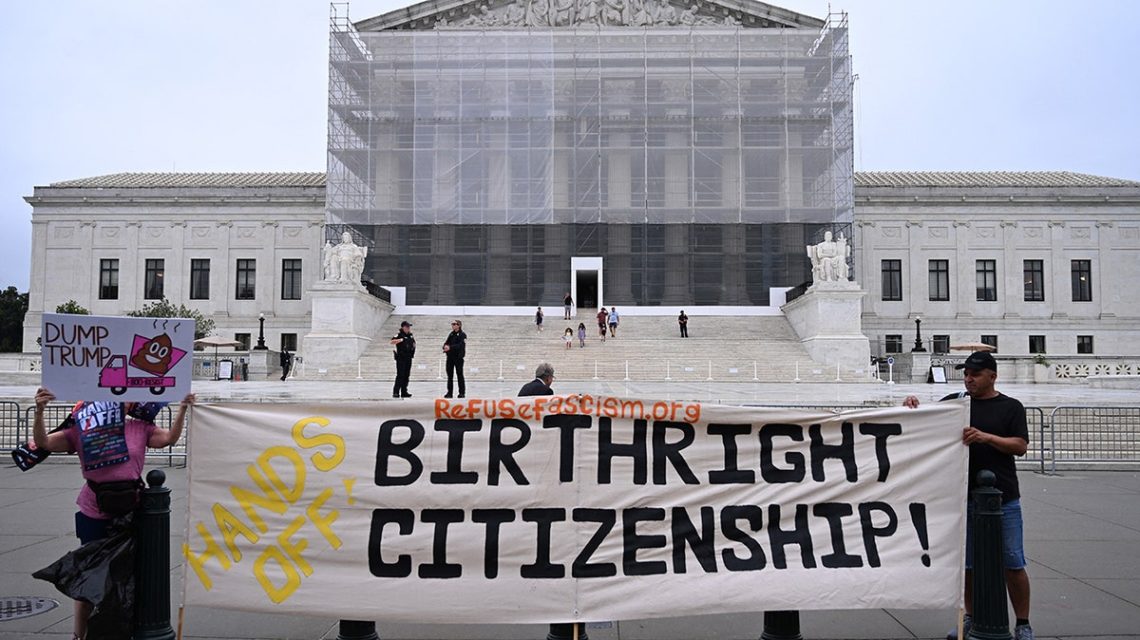
A federal judge in Washington, D.C. has halted former President Donald Trump’s attempt to limit birthright citizenship. U.S. District Judge Christopher Cooper issued a 67-page ruling blocking an executive order that aimed to deny citizenship to children born in the U.S. under specific circumstances. These children include those whose parents are suspected terrorists or gang members, or born via surrogacy to foreign nationals.
The ruling builds on the Supreme Court’s earlier decision that negated Trump’s initial order on birthright citizenship. This first order targeted children born to illegal or temporary residents. It affected children of fathers who were neither U.S. citizens nor green card holders. The Supreme Court has consistently upheld that birthright citizenship applies to all children born in the U.S., except for few exceptions outlined under U.S. law.
Judge Deborah Boardman in Maryland had earlier partially blocked Trump’s order, protecting U.S.-born children of illegal or temporary residents. Judge Cooper’s decision further expanded these protections. It addressed children born to foreign government employees, those labeled as ‘alien enemies,’ and those born through commercial surrogacy.
Cooper cited the Supreme Court’s decision in United States v. Wong Kim Ark. This case affirmed that children born in the U.S. are citizens, in line with the 14th Amendment. The exceptions to birthright citizenship noted by the court include children of foreign diplomats and enemy forces occupying U.S. territory.
Trump’s administration argued that individuals associated with terrorist groups could constitute ‘enemy forces.’ Cooper refuted this, insisting that membership in such groups does not equate to being an occupying force. He maintained that children born in these cases are not eligible to be stripped of their citizenship rights.
Regarding surrogacy, Cooper noted that foreign parents specifically choose U.S.-based arrangements due to the legal benefits. The State Department, before Trump’s order, recognized citizenship for children born on U.S. soil, including through surrogacy.
The Trump administration is expected to appeal this decision. They might request the order be temporarily enforced as the legal process continues, which may take several months.
White House spokeswoman Lauren Bis criticized the ruling. She described it as an effort by an Obama-appointed judge to obstruct Trump’s plans. The administration intends to seek further legal action, possibly involving the Supreme Court.
Aside from this case, Judge Cooper has previously ruled against Trump on other legal matters. He ordered Trump’s Department of Government Efficiency to release records requested under the Freedom of Information Act, and oversaw cases related to the Kennedy Center renovations.
 U.S. Intelligence Examines Alice Huang’s Connections Amid Security Concerns
 Latest Global Events: Violence in Colombia, School Controversy in Texas, Storm Warning, and More
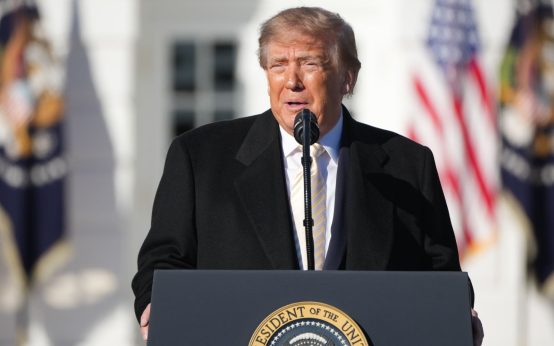 Federal Judge Blocks Trump’s Executive Order on Birthright Citizenship
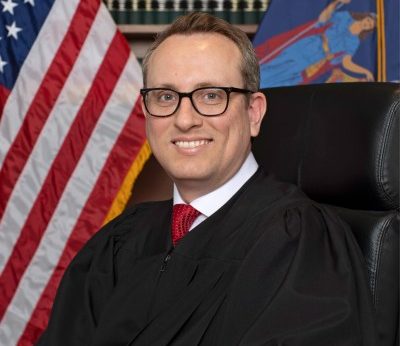 New York Rent Freeze Upheld
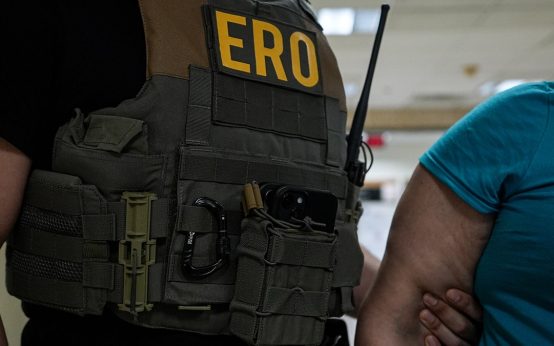 Justice Department Mobilizes Lawyers to Address Migrant Legal Filings Surge
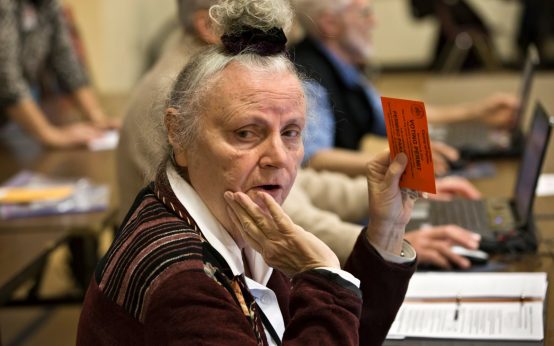 Republican Politician Introduces Voter ID Legislation