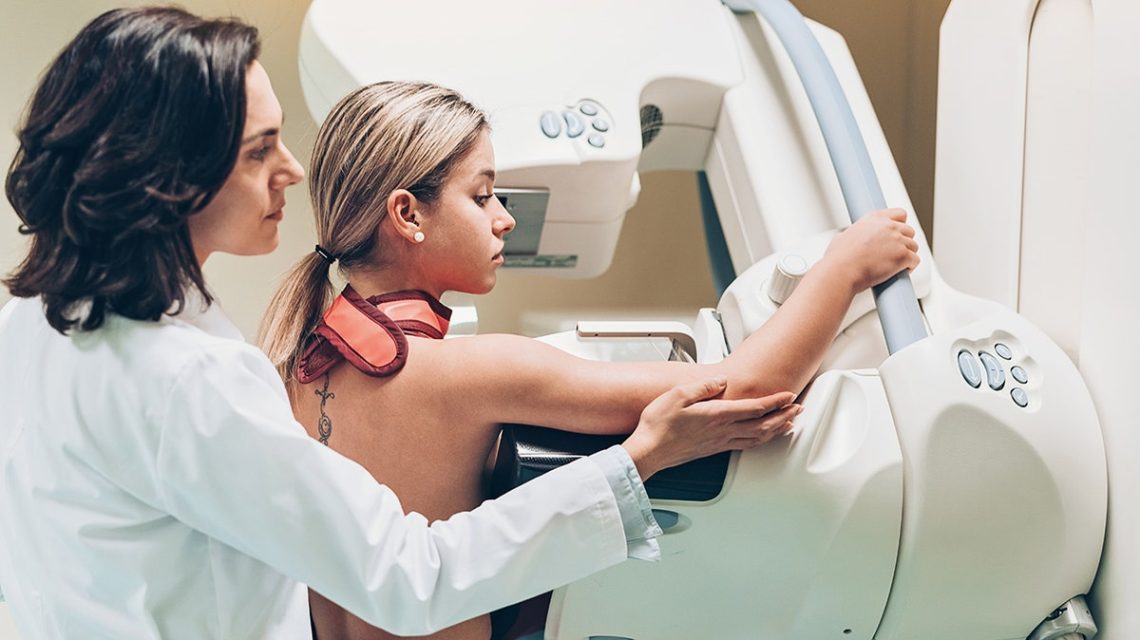
Artificial Intelligence (AI) is reshaping breast cancer screening by helping doctors identify women at increased risk long before cancer manifests. Dr. Elisa Port, Director of Breast Surgery at Mount Sinai and author of ‘The Breast Advice,’ emphasizes AI’s role in detecting hidden tumors and reducing false positives, notably in women with dense breast tissue. This breakthrough intends to boost screening rates among the 30-40% of women who skip regular mammograms.
Presently, women using popular weight-loss medications are experiencing higher breast density on mammograms, necessitating further imaging, even when abnormalities are not cancerous. This finding is part of a new study set to be presented at the Radiological Society of North America’s annual meeting in Chicago, Illinois, later this year. The study focuses on 107 women, aged 34 to 79, who used GLP-1 receptor agonists, like Ozempic and Wegovy, for weight loss over a year.
Participants lost between six and 107 pounds, averaging a 40-pound reduction. Researchers analyzed 214 mammograms taken before and after the year-long treatment using specialized software, resulting in higher breast density by at least one category for 62.5% of the participants. Eight women moved up two density levels. Reviewers observed smaller breasts in 58% to 79% of the patients, with increased skin thickening in 9% to 18%.
Higher breast density generally correlates with increased breast cancer risk and challenges in tumor detection through X-rays. Dr. Eva C. Gombos, the study’s lead author, explains that the pattern after weight loss likely indicates proportional changes rather than actual dense tissue growth. When significant fat is lost in the breast, remaining milk ducts and fibroglandular tissue may take up more space, thus appearing denser on mammograms.
Alongside losing breast fat and volume, excess skin or skin folds can appear more pronounced on scans. Despite these imaging changes, researchers underscore that this should not deter women from using GLP-1 drugs or attending routine mammograms. The study emphasizes no clear long-term impact on breast cancer risk from density changes, necessitating more research for clarity.
Notably, 22.4% of women needed additional imaging post-screening, higher than the U.S. average recall rate of 10%. Two technical recalls occurred due to positioning or imaging issues, while four underwent biopsies—all results were benign. Other callbacks were benign or showed negative results, including three simple cysts.
Gombos reassures that these findings should not cause concern for women taking GLP-1 drugs, nor encourage them to avoid routine screenings. Patients should inform their breast imaging team of GLP-1 use or recent weight loss, aiding accurate interpretation of mammograms.
Novo Nordisk, producer of Ozempic and Wegovy, maintains ongoing safety monitoring and data review. They advise patients to communicate closely with healthcare professionals about treatment questions or concerns for proper guidance.
Khloe Quill, a lifestyle writer for Fox News Digital, contributes to a diverse range of topics including health, travel, and food.
 Air Pollution Linked to Increased Risk of Alzheimer’s
 Trump and El-Sayed’s Democratic Dialogue on Health Care
 Sugar Molecules on Cancer Cells: New Insights for Detection and Treatment
 Concerns Arise Over Explosive Detonation at Iowa Ammunition Plant
 Understanding the Health Impacts of Skipping Meals
 Veterans and Medicare: Key Insights for Turning 65