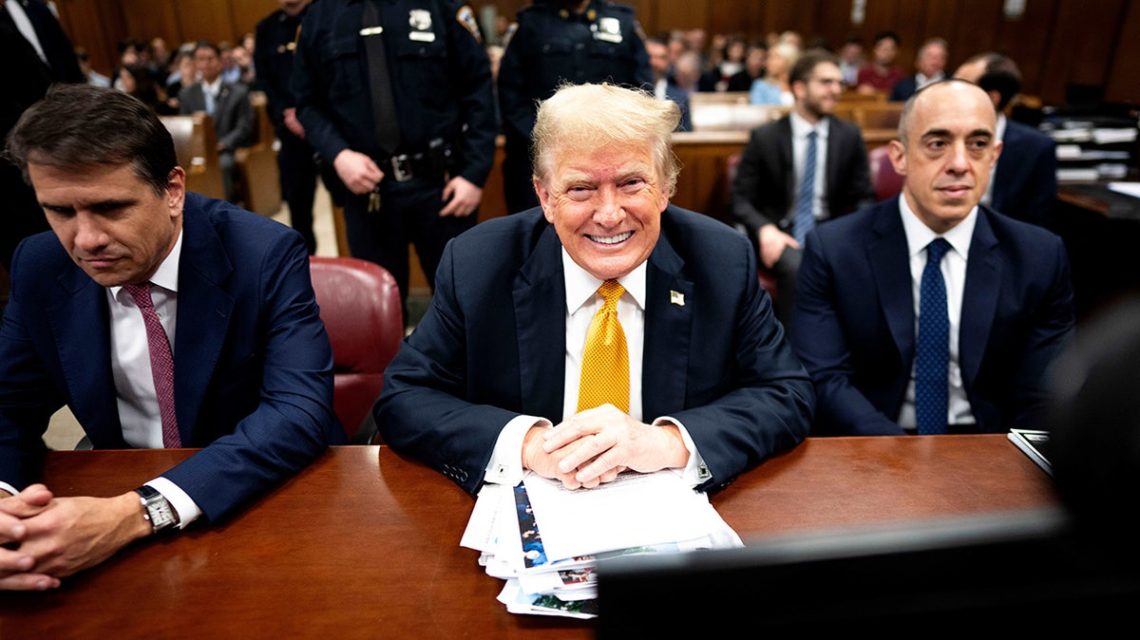
The Second U.S. Circuit Court of Appeals provided a legal advancement for former President Donald Trump by reviving his effort to shift his New York hush money case from state court to federal court. This decision could potentially impact his conviction on the grounds of presidential immunity.
Previously, U.S. District Judge Alvin Hellerstein, who passed away in October, had denied Trump’s second attempt to move the case. However, the appellate judges ruled that the denial was incorrect. The case involves charges against Trump related to reimbursing his then-attorney, Michael Cohen, who paid Stormy Daniels, an adult film actress, $130,000 shortly before the 2016 election. The payment was intended to prevent her from publicizing an alleged past affair with Trump, which he denies.
In May 2024, Trump was found guilty of 34 felony counts for falsifying business records. During his January 2025 sentencing, days before his second inauguration, he received an unconditional discharge, avoiding prison time or fines, though the felony conviction remains.
The appellate panel, which included Circuit Judges Raymond J. Lohier Jr., José A. Cabranes, and John M. Walker Jr., identified errors in Hellerstein’s decision. They noted that a federal official could seek removal post-conviction and that Trump had valid reasons for filing a second removal notice. A detailed opinion is expected later.
Trump’s legal team highlighted a Supreme Court decision from July 2024 on immunity, arguing that evidence from Trump’s presidential activities, used at trial, was deemed inadmissible. Attorney Robert Giuffra Jr. pointed out the risk of delays if the case remains in New York’s judiciary, which could hinder seeking relief from the Supreme Court.
Manhattan prosecutors contended that Trump’s strategic delays were at play, arguing the falsification of records was personal and unrelated to his duties. The appellate ruling now places the jurisdiction question before U.S. District Judge Lewis J. Liman, who took over the case.
The panel requested a suspension of New York court proceedings during the jurisdictional dispute. If federal court accepts the transfer, it will inherit the conviction, potentially leading to a judicial conflict concerning the Supreme Court’s immunity directive.
Despite the case potentially moving to federal court, Trump would not obtain the power to pardon himself as the charges remain under New York state law, unaffected by a presidential pardon. Responses from both the Manhattan District Attorney’s Office and Trump’s legal team were sought but were not received at publication time.
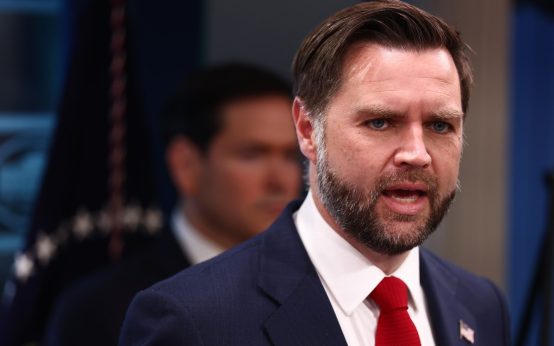 Vice President Vance on Nvidia and National Security
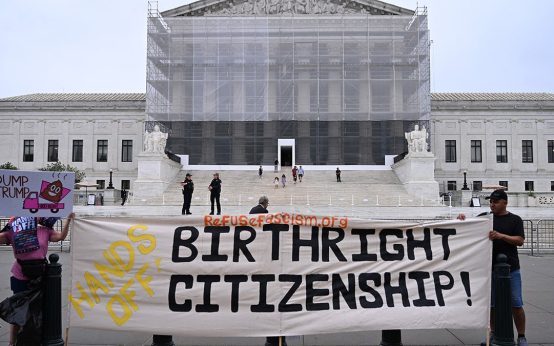 Federal Judge Blocks Trump’s Birthright Citizenship Order
 U.S. Intelligence Examines Alice Huang’s Connections Amid Security Concerns
 Latest Global Events: Violence in Colombia, School Controversy in Texas, Storm Warning, and More
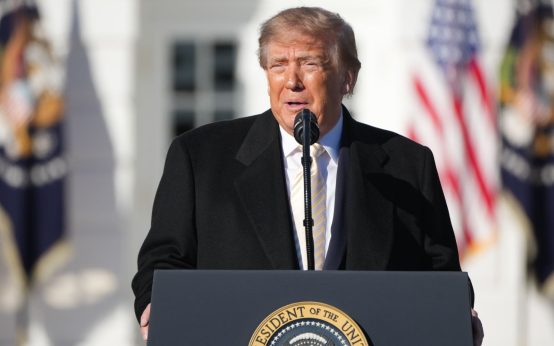 Federal Judge Blocks Trump’s Executive Order on Birthright Citizenship
 New York Rent Freeze Upheld