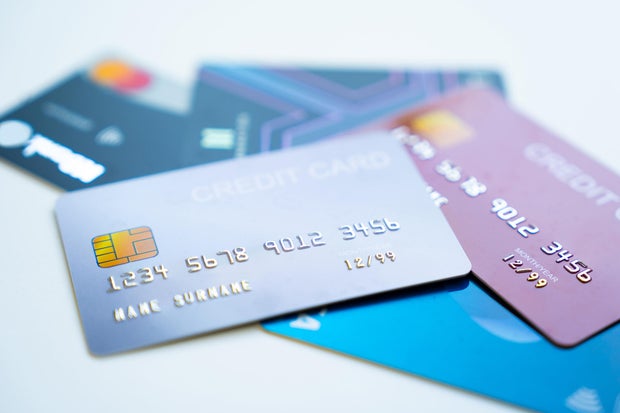
Credit Card Debt Challenges
Credit card debt can be difficult to manage, especially as inflation rises and living costs increase. Many borrowers use credit cards to cover daily expenses, but high interest rates close to 22% make it challenging to repay balances effectively.
The financial pressure may start with minor payment delays, as borrowers prioritize spending on essentials like housing or groceries. As missed payments accumulate, creditors often impose late fees and increase interest rates, transforming manageable balances into unmanageable debt.
Charge-Off Process Explained
If a credit card balance remains unpaid, it may be charged off during collection. This does not erase the debt. You remain legally responsible for repaying the full balance, including interest and fees.
A charge-off negatively impacts your credit score, reflecting failure to settle a debt. It stays on your credit report for seven years from the initial missed payment.
Creditors often sell charged-off debts to third-party collectors. This can lead to communications from unfamiliar companies attempting to collect the debt.
Legal action may follow a charge-off, with creditors able to sue for debt recovery. Successful lawsuits might result in wage garnishment, bank account levies, or property liens, subject to state laws.
Interest continues to accrue on the balance after a charge-off, increasing the debt’s cost and complicating repayment.
Debt Relief Options
Though a charge-off signals financial trouble, relief options are available. Debt settlement allows you to negotiate a reduced amount to pay, often with savings of 30% to 50%. You may negotiate directly with collectors or engage a debt relief company for assistance.
Debt management plans, administered by credit counseling agencies, consolidate multiple debts into a single monthly payment. They usually offer lower interest rates and fees, provided you have sufficient recurring income.
If facing lawsuits, garnishments, or severe financial stress, bankruptcy might be necessary. Chapter 7 or Chapter 13 bankruptcy affects credit long-term but halts collection activity and addresses qualifying unsecured debts.
Conclusion
A credit card charge-off is a serious matter that reflects delinquency and impacts credit and finances. However, options like debt settlement and structured repayment are available. Acting quickly improves your ability to recover and rebuild financial stability.