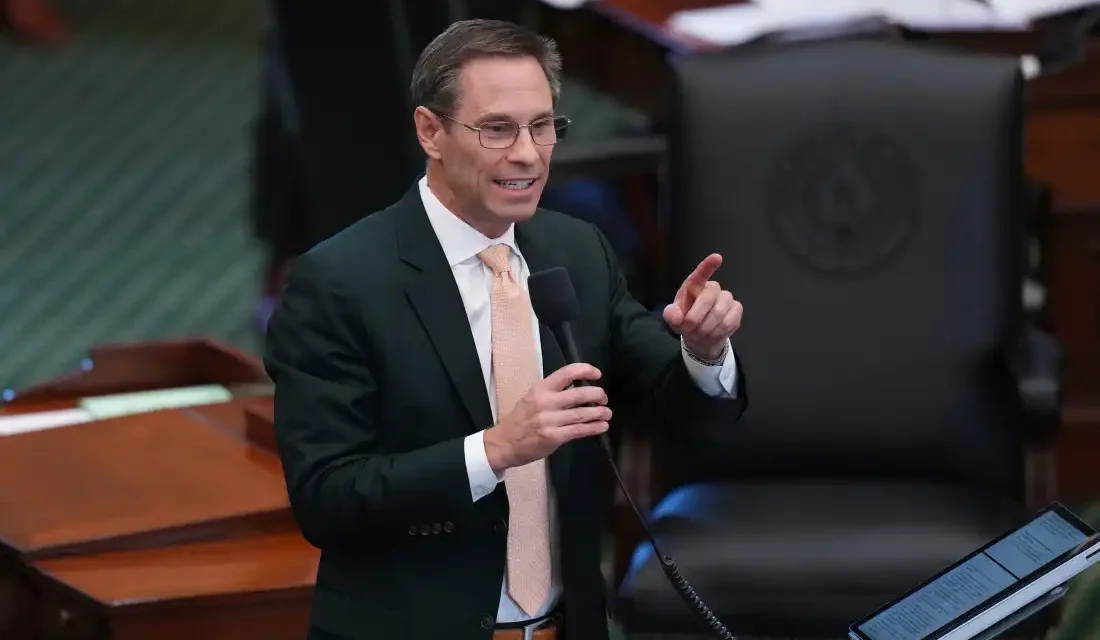
Texas Attorney General-elect Nathan Johnson, a Democrat, is seen addressing the state Senate floor in Austin on September 3, 2025. His election marks part of a broader trend where voters in five states, previously led by Republicans, have elected Democrats as attorney general. These states include Georgia, Iowa, Kansas, Ohio, and Texas. Additionally, Alaska’s incoming Democratic governor has appointed a new attorney general from his party.
This shift means a majority of U.S. states will now have Democrats serving as the top law enforcement officers. Democratic victories hold potential for significant changes in the investigation of alleged crimes, lawsuits filed, and court cases heard nationwide. Attorneys general carry extensive discretion in selecting legal challenges, affecting state residents.
With around 70% of Americans residing in states with Democratic attorneys general, legal actions on issues like the economy, environment, abortion, civil rights, and crime are expected to favor Democratic perspectives. Sean Rankin, President of the Democratic Attorneys General Association, expressed that these elected officials aim to challenge rising costs and hold bad actors accountable.
On the other side, recent defeats for Republican attorney general candidates have stirred reflection and plans for recovery within the conservative legal domain. Adam Piper, executive director of the Republican Attorneys General Association, noted that while Republican policies remain popular, they were overshadowed by broader unpopularity in the GOP. He highlighted that some Republican attorney general candidates outperformed GOP gubernatorial and Senate candidates.
During the Republican attorneys general fall meeting in Dallas, outgoing Texas Attorney General Ken Paxton, who lost his Senate bid, was succeeded by Democrat Nathan Johnson. Participants discussed challenges and strategies to position Republican attorneys general for the future, focusing on candidate quality and resource stewardship.
We have to ensure better candidate quality at the top and better message discipline,
Piper stated. He warned of potential “lawfare” by Democrats, including the possibility of changes to Supreme Court composition and statehood additions.
The Democratic attorneys general held their meeting in Chicago, both celebrating victories and preparing the new Democratic attorneys general. Illinois Attorney General Kwame Raoul emphasized the critical role these officials will play in safeguarding the republic, despite shifts in Washington.
Johnson, as the new Texas attorney general, mentioned that Democratic gains in the state legislature could lead to bipartisan cooperation on anti-corruption measures. He also indicated support for challenging President Trump’s efforts to construct a wall in Big Bend National Park along the Texas-Mexico border.
Traditionally, the Texas attorney general’s office has pursued cases with significant impacts across the U.S., often serving as a platform for conservative legal talent. Figures like U.S. Sen. John Cornyn and Texas Gov. Greg Abbott previously held this office, with Sen. Ted Cruz serving as solicitor general before entering Congress.
James Tierney, a Harvard Law School professor, recognized the importance of Texas as a conservative legal force. According to Tierney, losing this influence is a significant challenge for Republican legal communities.
For Democrats, the victories alter state enforcement of laws, potentially opposing the Trump administration. Anthony Michael Kreis, a constitutional law professor at Georgia State University, anticipated direct lawsuits against the administration with support from coalitions of attorneys general.
Incoming Democratic attorneys general have campaigned on challenging price gouging, digital surveillance, and antitrust issues. They face balancing local business community interests. Swain Wood, a partner at WilmerHale, observed increased bipartisan coalitions in economic issues, referencing past settlements against tobacco and opioid distributors.
Democratic attorneys general in newly competitive swing states may consider popular legal actions to maintain voter support while preparing for challenging re-election battles.
 Strengthening Democracy Through State-Level Investments
 State Budget Challenges Under Democratic Leadership
 Understanding Trump’s Role in the Nvidia Affair and Other Key Issues
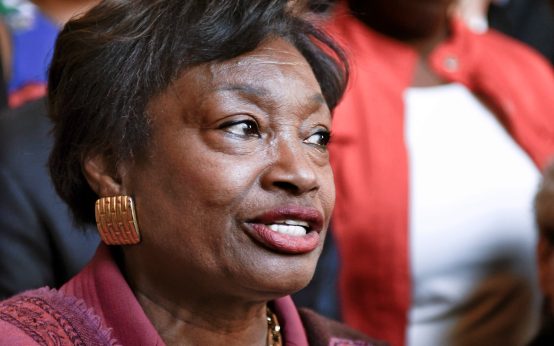 The Legacy of Andrea Stewart-Cousins: New York’s Trailblazing Senate Leader
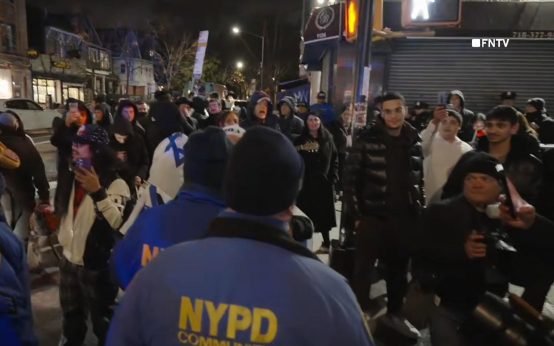 Clashes Erupt Outside Brooklyn Deli During Protest
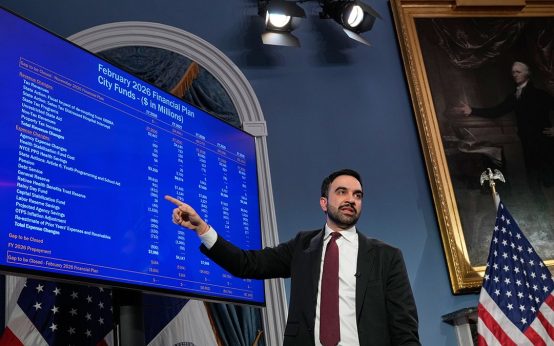 Zohran Mamdani Faces Backlash Over Costly Policy Proposals