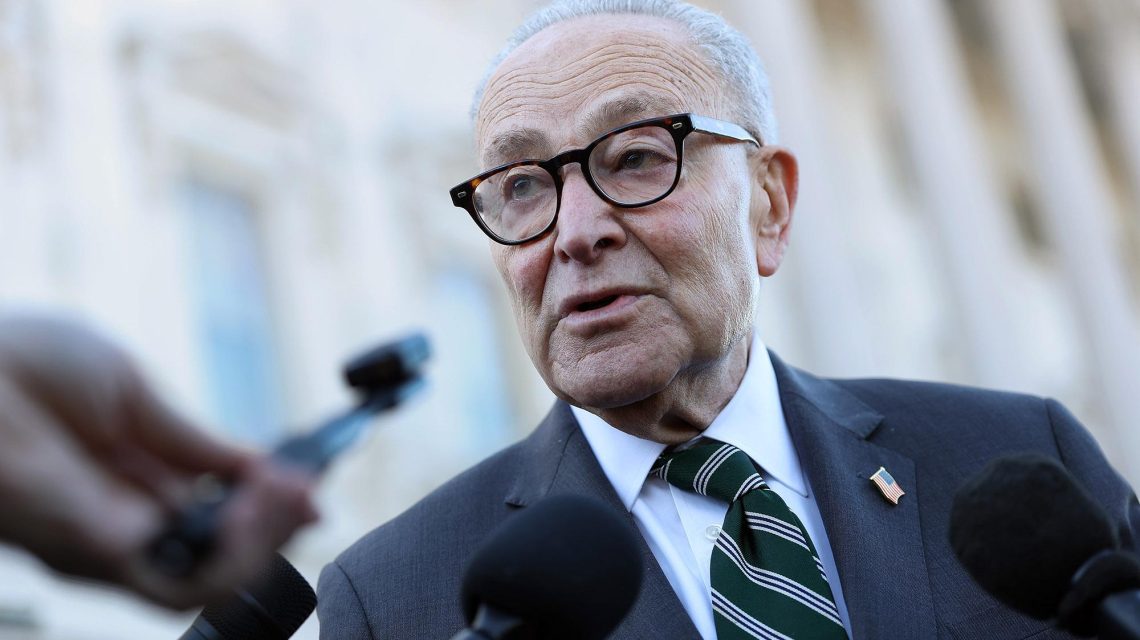
U.S. Senate Minority Leader Chuck Schumer spoke to reporters outside the U.S. Capitol on November 18, 2026. The conversation highlighted fiscal challenges faced by Democratic-run states. Nine states, all governed by Democrats, face significant budget shortfalls this year. These states include California, Colorado, Illinois, Maryland, New Jersey, New York, Oregon, Pennsylvania, and Washington.
Each state must balance its budget by law, yet many use tactics to bypass these requirements. Maryland, for instance, is anticipating a $2.6 billion deficit next year. In contrast, former Republican Governor Larry Hogan completed his term in 2023 with a $5 billion surplus.
Pennsylvania, with a recently divided government, mirrors other states in raising taxes over the past five years, targeting the wealthy. Despite these increases, Maryland still anticipates its most significant deficit in two decades.
California is grappling with ongoing budget issues. Spending there is expected to hit $352 billion next year, an increase from $202 billion in 2020. While New York’s economy has expanded, state spending has outpaced this growth, with projections of $277 billion next year, rising from $175 billion in 2020.
Main drivers of national and state debt include welfare programs like Medicaid, which has seen expanded spending. California allocates about 20% of its general fund to Medicaid. In New York, welfare programs consume roughly 30% of the state budget. The combined spending on Medicaid and national defense is comparable, with Medicaid’s cost growing over 50% since 2020, nearing $1 trillion annually.
The myth that increased taxes on the wealthy can fund state policies persists among Democrats. However, states with budget issues already tax wealthy individuals and businesses heavily. For example, California’s top 1% of income-tax payers contribute to about 50% of its income-tax revenue, with the top 10% covering around 75%.
A recession or tech bubble burst could further challenge states like New York and California. Unlike the federal government, states cannot print money. They rely on tax increases and spending cuts. Governors under Democratic rule often face growing deficits, eventually seeking federal assistance.
The debt-to-GDP ratio in the U.S. is unsustainable. Yet, political incentives often overshadow fiscal responsibility, especially in Democratic-leaning states.
David Harsanyi, senior writer at the Washington Examiner, offers this analysis.
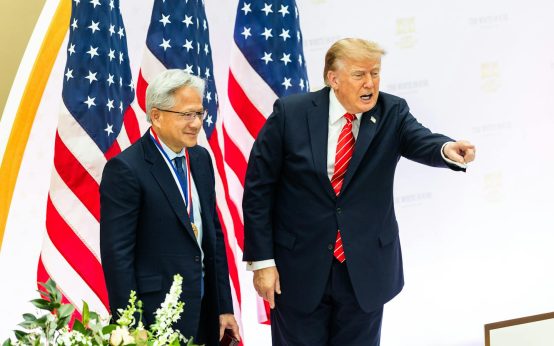 Understanding Trump’s Role in the Nvidia Affair and Other Key Issues
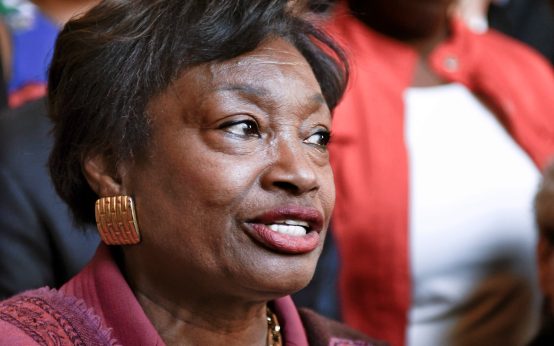 The Legacy of Andrea Stewart-Cousins: New York’s Trailblazing Senate Leader
 Clashes Erupt Outside Brooklyn Deli During Protest
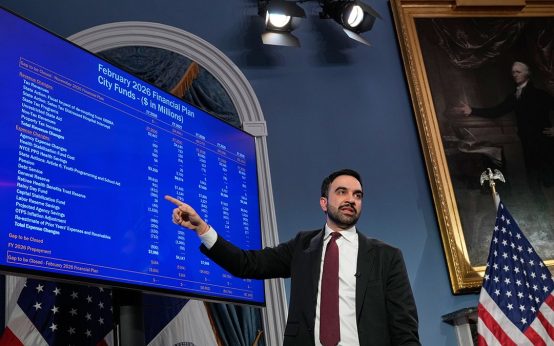 Zohran Mamdani Faces Backlash Over Costly Policy Proposals
 Discussion on Political Developments with David Brooks and Jonathan Capehart
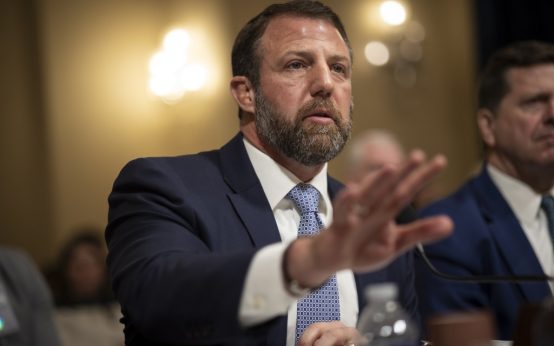 Challenges Faced by Homeland Security Secretary Markwayne Mullin