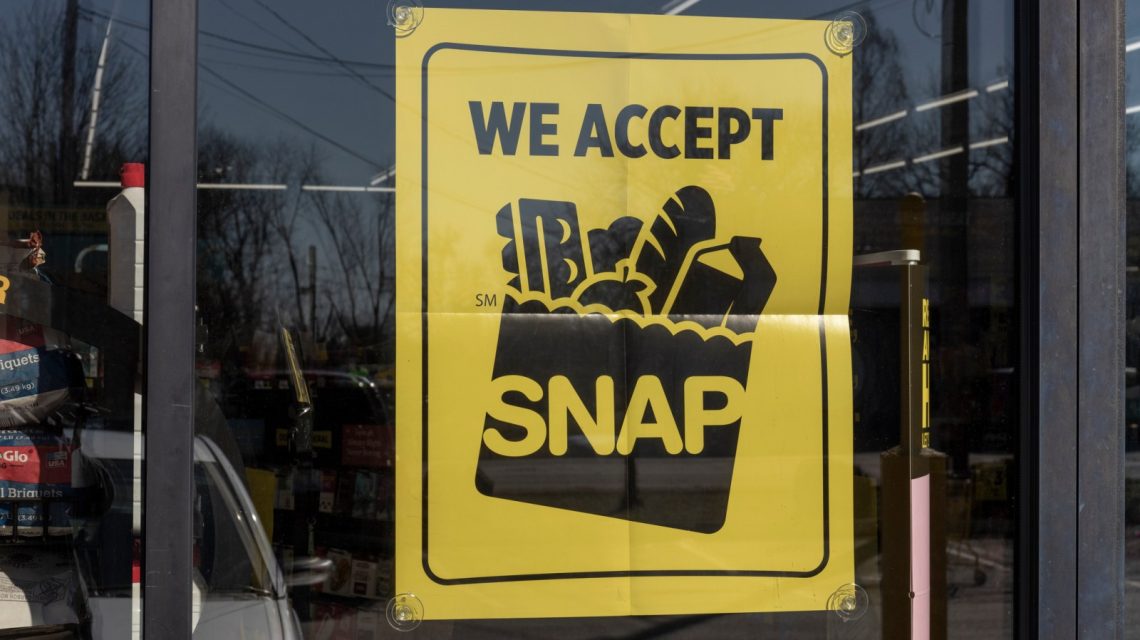
Efforts to Restrict SNAP Purchases in Montana
Montana is the latest state seeking federal approval to limit certain food purchases under the Supplemental Nutrition Assistance Program (SNAP). The initiative aims to exclude items such as soft drinks, candy, and junk food. This week, Montana’s Republican Governor Greg Gianforte, alongside U.S. Department of Agriculture (USDA) Secretary Brooke L. Rollins, submitted a waiver request to ban soft drink and candy purchases using SNAP benefits.
Twenty-two states have already achieved approval for similar modifications to the program aimed at promoting healthier diets. This effort connects to the broader national agenda to encourage health, known as the “Make America Healthy Again” initiative led by Health Secretary Robert F. Kennedy Jr.
Current SNAP Eligible Purchases
SNAP, often called food stamps, provides monthly grocery assistance to approximately 38 million low-income individuals in the United States. Currently, beneficiaries can purchase a wide variety of grocery items, including:
- Fresh produce
- Meat
- Dairy products
- Bread and cereal
- Snack foods
- Non-alcoholic beverages
- Seeds and plants for home food cultivation
However, SNAP does not cover alcohol, tobacco, vitamins or supplements, hot prepared meals, or non-food household products like pet supplies and cleaning agents.
Expanding Restrictions at State Level
The new state waivers broaden the list of excluded products, targeting sodas, desserts, and candy. Each state decides how these categories are defined and enforced.
Montana joins the list of states that have obtained approval for similar SNAP restrictions, including:
- Arkansas
- Colorado
- Florida
- … (list continues)
- Wyoming
Such policies are currently in effect in states like Florida, Idaho, Indiana, Iowa, Louisiana, Nebraska, Oklahoma, Texas, and Utah.
Support for SNAP Restrictions
Proponents of the restrictions argue taxpayer funds should not support unhealthy food purchases and believe the limitations might foster healthier eating habits. Kennedy has consistently supported limiting sugary goods under SNAP.
He remarked, “If you want to buy a sugary soda, you ought to be able to do that. U.S. taxpayers should not pay for it.”
Concerns and Criticism
Anti-hunger advocates contend the changes unfairly affect low-income groups, complicating grocery shopping and increasing stigma.
“This is just another way to cut benefits,” said Gina Plata-Nino, SNAP director at the Food Research and Action Center, describing the initiative as further restricting and stigmatizing recipients.
Some SNAP beneficiaries have initiated lawsuits against the USDA, highlighting problems with checkout confusion and difficulties in understanding product eligibility. Marc Craig from Iowa shared his experiences of being unable to purchase intended items with SNAP, saying, “I still get to the register only to be told I cannot use SNAP to buy everything I have selected.”
The USDA declined to comment on the ongoing litigation.
Challenges for Retailers
Retailers and advocacy groups have raised concerns about operational difficulties arising from the varying state regulations.
The Food Research & Action Center warned that inconsistent waiver systems could result in “confusion, retailer withdrawal, and diminished food access,” particularly affecting smaller retailers with fewer administrative capabilities.
The restrictions emerge amidst elevated food prices across the nation, further burdening households already facing challenges in affording groceries.
 Congressman Randy Fine’s Bold Political Stance and Views on AI Regulation
  Political Messaging and Strategy Leading Up to Midterms
  President Trump Proposes ‘Super Intelligence’ as New AI Term
  Trump Administration Considers Diesel Export Ban Amid Rising Prices
  Texas Senate Race Tightens with Shifting Youth Support
  Flight 93 Hero’s Father Criticizes Ties Between Hasan Piker and Abdul El-Sayed