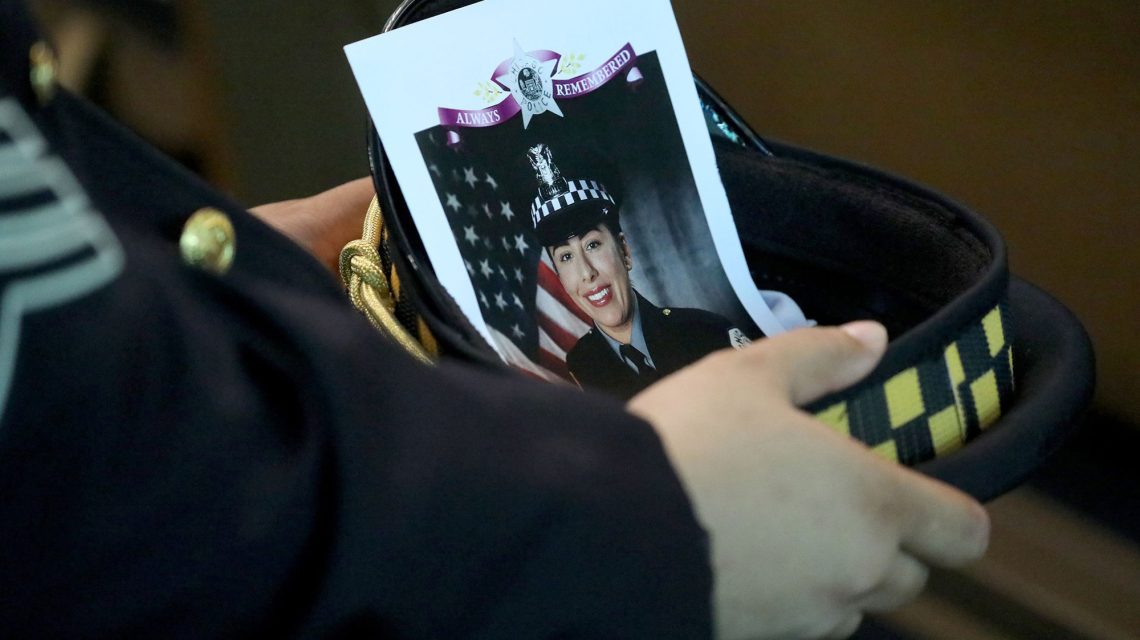
Nearly three years after the tragic 2021 murder of Chicago police officer Ella French, details about the crime, including the weapon used, have emerged. Yet, the name of the shop where the gun was purchased remained undisclosed, shielded by industry efforts to protect such information. ProPublica discovered the retailer was Deb’s Gun Shop in Indiana, a frequent focus of federal regulators due to its connection to many crime-related firearms.
James Vanzant, an attorney for a man convicted for purchasing the gun, revealed the retailer’s name. Deb’s Gun Shop owner Ed Estack expressed condolences but refrained from further comment. Officer French’s service and dedication were remembered during her funeral in 2021.
Prior to 2003, federal agencies regularly identified gun retailers involved in crimes. This changed with the Tiahrt amendment, which restricts disclosure of such information. Named after Rep. Todd Tiahrt, this legislation protects retailers, preventing public scrutiny despite critics’ claims that this information is crucial for public safety.
The gun used to kill French was bought at Deb’s in March 2021 by Jamel Danzy, who later admitted purchasing it for Eric Morgan, who legally could not acquire a gun. Months later, Emonte Morgan, Eric’s brother, used it during a tragic encounter, killing officer French and injuring another.
Both Morgan brothers faced charges for their roles in French’s death. Danzy pleaded guilty to related federal charges and received a 30-month sentence. Despite thorough investigations, the ATF and federal prosecutors have not disclosed the retailer name to the public.
The Tiahrt amendment’s limitations extend to researchers, who argue they need access to gun-trace data to study gun trafficking patterns effectively. This data could reveal whether transactions leading to crime are isolated or part of broader patterns.
Deb’s Gun Shop, under scrutiny due to its association with guns traced to crimes, participates in the ATF’s Demand 2 program. This program monitors retailers linked to numerous crime-related gun traces. Studies and exceptions have circumvented Tiahrt restrictions in cities like Chicago, yet challenges remain, as demonstrated in Baltimore’s legal battles to access data from ATF.
The National Shooting Sports Foundation, defending gun retailers’ rights, supports the Tiahrt amendment, arguing law enforcement already has the necessary access for legitimate investigations.
The debate over the balance between public safety and gun retailer protection continues, with calls for policy reassessment in addressing gun trafficking and related crime.