
On December 8, 1980, the day John Lennon was tragically shot, he and Yoko Ono gave a radio interview from their New York home at the Dakota apartments. They discussed their new album, “Double Fantasy,” and covered a wide range of topics. Despite having been told to avoid questions about the Beatles, both Lennon and Ono were candid.
That same day, Annie Leibovitz photographed the famous image of a naked Lennon embracing Ono. The interview mirrored this openness, as Lennon shared insights on love, his family, creativity, life post-Beatles, and more. At 40 years old, Lennon appeared to have achieved clarity, stating, “I feel as if nothing happened until today.” This interview now forms the basis of the documentary “John Lennon: The Last Interview,” directed by Steven Soderbergh. The film recently premiered at the Cannes Film Festival.
Soderbergh expressed his deep appreciation for the spirit of generosity shown by Lennon throughout the conversation. He noted, “It was like the world happened in one day in this apartment.” The director faced significant challenges in showcasing the audio effectively, especially during philosophical moments, which forced him to explore unconventional solutions.
One such solution involved utilizing Meta’s artificial intelligence software to create surreal visual elements for these sections. This decision sparked considerable debate, given Soderbergh’s reputation as an influential U.S. filmmaker. However, Soderbergh remains eager to discuss the role of AI in filmmaking. He emphasizes transparency, stating, “People should know what we are doing. I am my own whistleblower.”
Critics at Cannes were mostly unimpressed with the AI-generated visuals, regarding them as basic. Soderbergh, however, points out that the majority of essential film production tasks remain outside AI’s current capabilities. Imperfections in art, he argues, become more interesting in a world striving for technical perfection.
Soderbergh remains open-minded about AI’s place in creativity, acknowledging that no one with significant creative credibility has fully embraced AI in filmmaking yet. Instead, he argues for experimentation to ascertain boundaries. Regarding the specific prompts used for the animation, Soderbergh described visual suggestions like “circles of light appearing from nowhere” and more abstract concepts, which proved challenging to articulate precisely.
Despite the controversies, Soderbergh hopes the documentary inspires viewers, especially regarding Lennon’s effort to challenge the rock star persona. He admired Lennon’s honesty and his enduring quest to improve both individual and collective humanity. “I hope young people see he always told the truth, from start to finish,” Soderbergh shared.
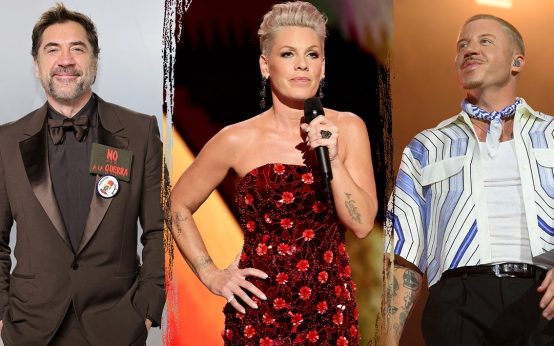 Javier Bardem Faces Backlash Over Pink’s UNICEF Controversy
 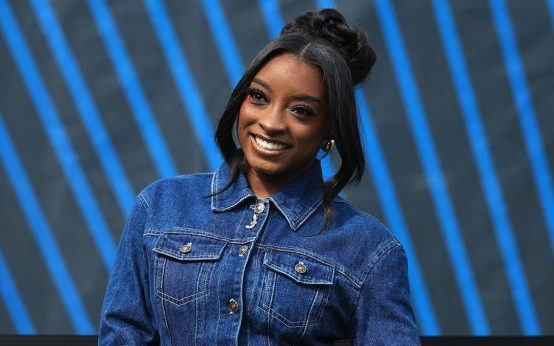 Discussion on NFL Draft Comparison and Simone Biles’s Car Issue
  Ella Langley Makes Billboard Hot 100 History with ‘Choosin’ Texas’
 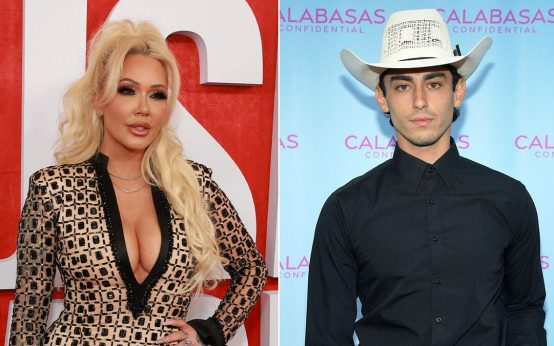 Bunnie Xo’s Post-Divorce Adventures Spark Debate Over Age Gap
 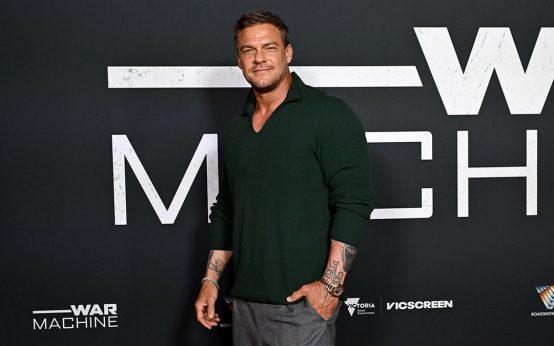 Alan Ritchson Faces Backlash Over Political Remarks
  Ella Langley’s Record-Breaking Chart Success: The Rise of ‘Choosin’ Texas’