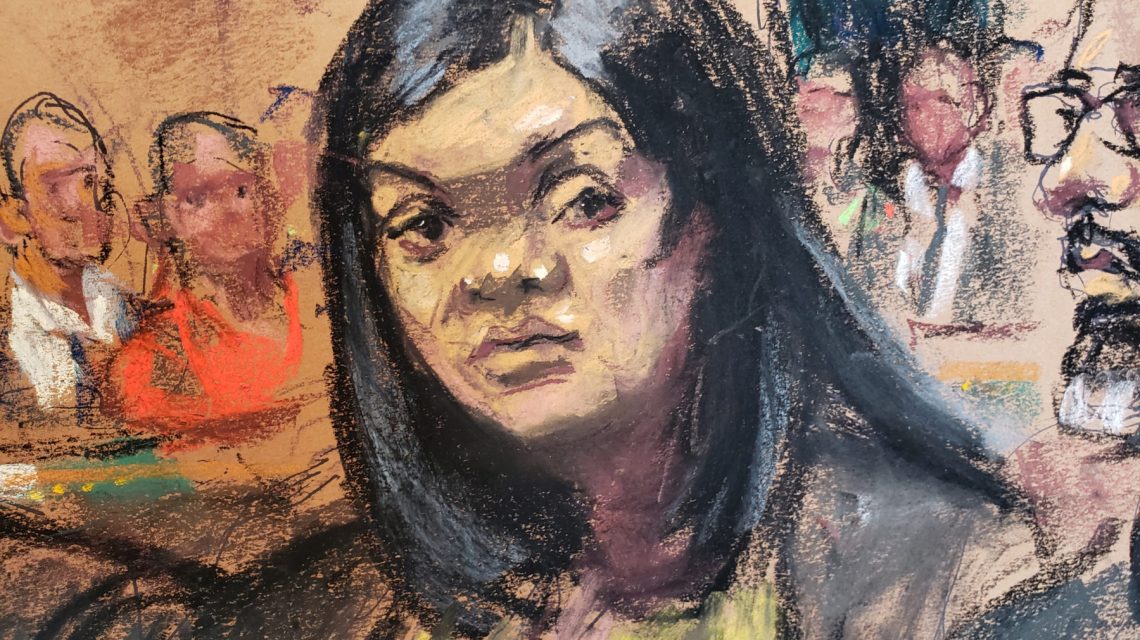
Tova Noel, formerly a prison guard at the Metropolitan Correctional Center in New York, is set to testify in a closed-door deposition for the House Oversight Committee on Monday. As one of the two prison guards present on the night of August 9, 2019, Noel was one of the last to see Jeffrey Epstein alive in his cell. Epstein’s death was ruled a suicide by the New York City’s medical examiner, but inconsistencies and reported missteps have spurred numerous theories surrounding his demise.
Her testimony contributes to the Committee’s continuing examination of the federal government’s handling of the Epstein case and connected inquiries involving his former associate, Ghislaine Maxwell. Documents involving numerous influential personalities across various sectors have surfaced in the Epstein files released by the Department of Justice. Appearing in these files does not imply guilt, yet the revelations have prompted resignations and demands for stricter accountability.
Among those who have provided testimony to the committee are notable figures such as former President Bill Clinton, former Secretary of State Hillary Clinton, and several other prominent individuals. Despite the involvement of well-known personalities, being mentioned in the files alone does not imply misconduct.
Background on Tova Noel
Noel is a former correctional officer who began working for the federal Bureau of Prisons in 2018. Before her tenure in the prison system, she served as a patient administrative specialist in the U.S. Army, receiving an honorable discharge in 2014. She graduated from John Jay College of Criminal Justice in 2017 with a bachelor’s degree.
Noel’s Connection to Epstein
Noel appeared in federal court in 2019, facing charges of falsifying records for her statements reporting inmate counts during Epstein’s final hours. In a 2021 deposition, she recounted being the last to see Epstein alive around or after 10 p.m. and present when his body was found at 6:30 a.m., as colleague Michael Thomas administered CPR.
Noel and Thomas, both charged with record falsification for indicating completed prisoner checks, were found not to have done so on the night Epstein died. Prisoner checks were required every 30 minutes in the Special Housing Unit where Epstein was held. However, no checks had been recorded overnight. Noel asserted in her testimony that she conducted a majority of the checks during her shift, stating checks usually occurred during routine tasks.
Both were accused of sleeping and browsing the internet before discovering Epstein’s body, but reached a plea deal with prosecutors. The deal included no jail time, community service, and continued cooperation in the Epstein death investigation. Noel firmly denied falling asleep that night, though she did admit to web browsing, uncertain if it was permitted.
Interaction with Epstein
Noel described her limited interaction with Epstein, recounting an incident on Aug. 9 when she told him to remain in the shower cell after making a phone call until others had exited. She considered this exchange unremarkable.
During a 10 p.m. count, Epstein requested Noel plug in his CPAP machine—used for sleep apnea—a request she obliged, despite long cords generally being prohibited for prisoners. Exceptions were made for Epstein, according to Noel. Though a high-profile inmate, she confirmed no special instructions were provided to monitor him more closely.
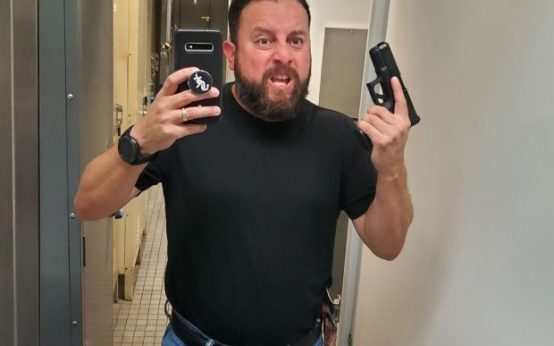 Luis Uribe Convicted for Crimes Against Sex Workers
 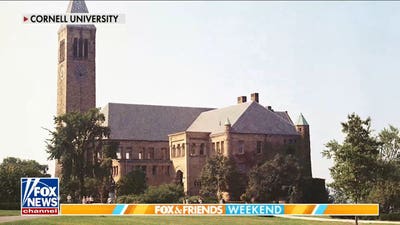 Former Cornell Student Files Lawsuit Against University for Alleged Sexual Assault
 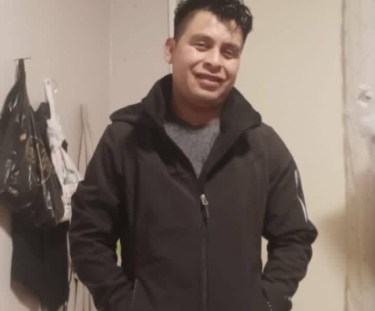 Fatal Car Crash Involving Undocumented Immigrant in Grand Rapids
  Prosecutors Oppose Kohberger’s Appeal in Idaho Student Murders Case
  Former Bank CEO Sentenced for Fraud and Sanctions Evasion
  Ohio Murder Trial: Investigators’ Search for Missing Gun