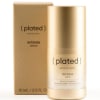
Exosomes, previously prominent in Korean medical-grade treatments, are making a significant entry into the U.S. at-home skincare market. They are gaining attention due to claims of promoting youthful, glowing skin, reducing inflammation, and improving overall skin health. Some suggest they might even replace traditional skincare favorites like retinols and hyaluronic acid serums.
Dr. Mona Gohara, a board-certified dermatologist at Dermatology Physicians of Connecticut, describes exosomes as a breakthrough innovation for skincare brands. However, it’s important to note that as of now, the U.S. Food and Drug Administration (FDA) has not approved any exosome product for cosmetic use.
Wondering if exosomes are truly revolutionary? Insights from board-certified dermatologists can provide clarity on their skincare benefits.
Understanding Exosomes
Exosomes are tiny vesicles naturally released by most cell types, including skin cells, stem cells, and platelets. They transport proteins, lipids, and genetic material. Dr. Corey L. Hartman, a board-certified dermatologist, explains that in skincare, exosomes facilitate intercellular communication, delivering vital instructions to other cells. This helps reduce inflammation, repair damaged tissue, and boost collagen and elastin production—elements that diminish with age.
Exosomes typically appear in serums, penetrating skin more effectively due to their stability in low-water, minimal-ingredient formulas. According to Dr. Asmi Berry, a beauty biohacker, the genetic material carried by exosomes influences gene expression, allowing skin cells to behave like younger, healthier cells.
Exosome Skincare Products
The following are notable exosome skincare products recommended by dermatologists or popular brands:
- Best Overall Exosome Serum: Recommended by Dr. Joshua Korman, it features human-derived exosomes and is formulated to target redness, inflammation, and fine lines.
- Best Balm for Sensitive Skin: The Skinfix baume, favored by Dr. Gohara and Dr. Hartman, incorporates ectoin and exosomes to hydrate and fortify the skin barrier without fragrance.
- Best Value Exosome Serum: The Inkey List serum with plant-based exosomes provides a budget-friendly option, enhancing collagen production.
- Best Splurge Exosome Serum: The 111Skin Exosome Face Lift treatment combines exosomes to lift, tighten, and rejuvenate the skin.
- Best Alternative to Microneedling: Medicube’s spicule serum uses micro-needles and exosomes for deeper penetration and improved skin texture.
- Best for Mature Skin: Dr. Barbara Sturm’s serum combines lab-derived exosomes with vitamin E for mature skin, reducing fine lines and wrinkles.
FDA Approval and Safety
While exosome research is ongoing, the FDA has yet to approve products containing exosomes for cosmetic use. Cosmetic products, unlike pharmaceuticals, do not require FDA approval before entering the market, but must comply with specific laws and regulations.
Dr. Michele Green cautions consumers to choose reputable brands transparent about their ingredients and sources. The FDA’s 2020 warning highlights misleading claims about stem cells and exosomes’ effectiveness in regenerative medicine.
The Role of Exosomes in Skincare
Exosomes appear in both at-home topicals and professional treatments. While effective as topicals, their regenerative benefits are limited compared to professional use alongside microneedling or similar procedures. Dermatologists often apply exosome serums after microneedling to enhance healing and collagen production.
Over-the-counter serums, derived from plants or lab-cultured sources, lack the regenerate ability of human-derived exosomes used in professional settings. Price typically reflects the source, with human-derived options exceeding $100.
Exosome Therapy
Exosome therapy involves applying exosome serums from human stem cells or platelets after treatments like microneedling or laser resurfacing. However, safety concerns such as scarring and infections remain, and many professionals suggest opting for reliable OTC serums and professional procedures.
Comparing Exosomes to Other Skincare Ingredients
Regenerative skincare encompasses ingredients improving elasticity, smoothing fine lines, and boosting collagen. Exosomes, while broader in benefits, are still relatively new. Exosomes offer comprehensive benefits by stimulating multiple cellular functions, unlike singular-focused ingredients like peptides or growth factors.
Experts note further research is necessary before asserting exosomes’ superiority over established ingredients like retinol and niacinamide.
Common Questions About Exosomes
Exosome products typically show results within a week for effects such as reduced redness, while longer-term benefits like skin texture improvement take over a month.
Combining exosomes with actives like retinol or vitamin C is permissible, but they should not replace essential skincare staples like sun protection or antioxidant-rich products.
Exosome serums are generally suitable for most users, especially aging skin. However, pregnant or breastfeeding individuals should avoid them due to a lack of safety data.
The promise of exosomes in skincare is significant, yet they require careful consideration. They synergize effectively with proven treatments, enhancing skin resilience and appearance.
 10 Key Principles for Healthy Longevity
  Russian Scientist’s Death Raises Concerns Over Plague Exposure
  Alan Alda Reflects on Life, Career, and Parkinson’s
  Voice Disorders Linked to Dementia Risk
  Understanding the Misperceptions and Inaction in Addressing Sexual Violence
  Americans Seek Ibogaine Treatments Abroad Amid Health Risks